
Dubai Desert Safari Guide 20 Amazing Tips for a Perfect Trip
Planning a trip to the UAE is exciting, but no vacation here is complete without a proper adventure into the dunes. If you are looking for the most reliable information, this Dubai Desert Safari Guide is exactly what you need.
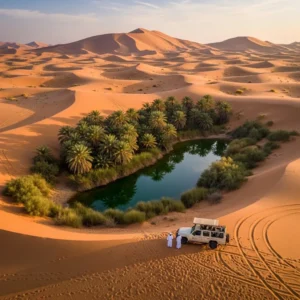
The golden sands of Arabia offer an escape from the busy city life. It is a place where silence meets thrill.
For first-time visitors, the array of options can be overwhelming. You might wonder which package to choose or what to wear.
We have compiled every detail you need to know. This guide covers safety, food, activities, and booking tips.
By the end of this post, you will be an expert on how to navigate the desert sands.
Why a Desert Safari is a Must Do Activity
The desert is the heart of Emirati culture. Before the skyscrapers, there was only sand and Bedouin tribes.
Visiting the desert connects you to the history of this land. It is not just about driving fast cars on sand dunes.
You get to experience the hospitality that the UAE is famous for. The welcome drinks and dates are a tradition that dates back centuries.
The landscape is visually stunning. The contrast between the blue sky and orange sand is perfect for photography.
It offers a unique mix of relaxation and adrenaline. You can go from screaming on a roller coaster ride in a 4×4 to sitting quietly watching a sunset.
Every Dubai Desert Safari Guide emphasizes the sunset. It is truly magical to watch the sun dip below the horizon of endless sand.
For families, it is a great bonding experience. Kids love the sand and the camels.
Couples find the evening atmosphere very romantic. Dining under the stars is a memory that lasts a lifetime.
If you skip the desert, you miss the soul of Dubai.
Choosing the Right Time of Day
Timing is everything when planning your trip. The desert changes character throughout the day.
Your experience will depend heavily on whether you go in the morning, evening, or stay overnight.
Morning Desert Safari
This is perfect for early risers. The desert is cool and crisp in the morning.
You get to see the sunrise, which is a spectacular sight. The lighting is soft and golden.
Morning tours usually start around 8:00 AM or 9:00 AM. They last for about 4 hours.
This option is great if you have a busy schedule. You can be back in the city by lunch.
It focuses more on adventure activities like dune bashing and quad biking.
However, morning safaris often skip the camp entertainment and BBQ dinner.
If you are strictly here for the thrill, choose the morning slot.
Evening Desert Safari
This is the most popular choice for tourists. It offers the complete experience.
The tour usually starts in the late afternoon around 3:00 PM. You arrive at the desert as the heat begins to subside.
You get to catch the sunset, which is a highlight for many.
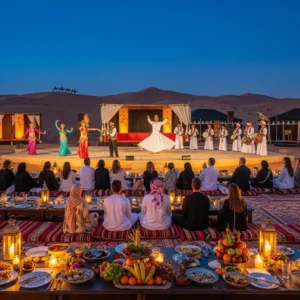
The evening package includes dinner and live shows. You can watch belly dancing and fire shows.
The temperature drops in the evening, making it comfortable to sit outside.
It is a social event where you meet people from all over the world.
Overnight Desert Safari
For the ultimate adventure, stay the night. This is for those who love nature and camping.
You get everything included in the evening safari. But when the other guests leave, you stay behind.
Sleeping in a tent under the stars is peaceful. The desert becomes incredibly quiet at night.
You can hear the wind and see constellations clearly.
In the morning, you wake up to a fresh breakfast.
It is an immersive experience that disconnects you from the digital world.
The Dune Bashing Experience Explained
Dune bashing is the main attraction of any safari. It is a high-speed ride across the dunes.
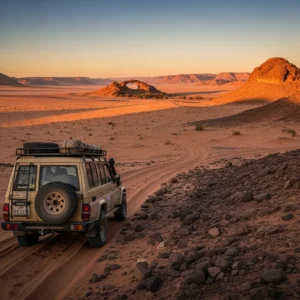
Drivers use powerful 4×4 vehicles. The most common cars are Toyota Land Cruisers or Nissan Patrols.
Before entering the desert, the driver will deflate the tires. This increases the surface area and grip on the soft sand.
The car will slide, drift, and climb steep hills. It feels like a roller coaster without tracks.
This activity usually lasts for 30 to 45 minutes. It is intense and exciting.
Safety is a priority here. The vehicles are reinforced with roll bars.
Drivers are professionally trained to handle the terrain.
If you suffer from motion sickness, take medication beforehand. It can get bumpy.
You can request a lighter ride if you are scared. Just let your driver know.
This part of the Dubai Desert Safari Guide highly recommends fastening your seatbelt tight.
Traditional Bedouin Camp Activities
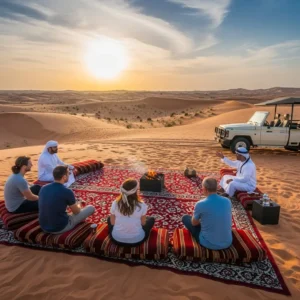
After the drive, you head to the campsite. This is designed to look like a traditional Bedouin village.
The camp is the hub of culture and relaxation. There are low tables and cushions for seating.
You will be welcomed with Arabic coffee, known as Gahwa. It is served with sweet dates.
Henna painting is a popular activity for ladies. Artists draw beautiful intricate designs on your hands.
You can try smoking Shisha. This is a traditional water pipe available in various flavors like mint or apple.
There are usually shops selling souvenirs. You can buy sand art or traditional clothing.
Wearing traditional dress for photos is often free. Men wear the Kandura and women wear the Abaya.
Falconry is another highlight. You can hold a falcon and take photos with this majestic bird.
Culinary Delights in the Desert
Food is a massive part of the experience. The safari includes a buffet dinner.
The cuisine is a mix of BBQ and traditional Arabian dishes.
Appetizers often include Falafel and Shawarma. These are freshly made at live cooking stations.
The main course features grilled chicken, lamb chops, and beef kebabs.
Vegetarians are not left out. There are plenty of salads, hummus, and vegetable curries.
Rice dishes like Biryani are a staple. They are aromatic and flavorful.
For dessert, you might find Om Ali or fresh fruits. Om Ali is a delicious bread pudding.
Unlimited soft drinks and water are usually included.
Alcohol is available in some camps but costs extra.
Dining under the open sky adds flavor to the meal.
Entertainment and Cultural Shows
As you eat, the center stage comes alive. The entertainment varies but is always culturally rooted.
Belly dancing is the most famous performance. The dancer moves gracefully to Arabic music.
Tanoura dance is another mesmerizing show. A male dancer spins continuously in a colorful skirt.
The spinning can last for minutes without stopping. It is a spiritual Sufi dance.
Fire shows are thrilling to watch. Performers breathe fire and juggle flaming sticks.
These shows usually last for an hour. They are family-friendly and entertaining.
The loud music and clapping create a festive atmosphere.
It is a celebration of art and skill.
Essential Packing List for Safari
Knowing what to pack can save your day. You do not need much, but the right items are key.
Bring a light jacket. The desert gets surprisingly cold at night, especially in winter.
Wear open shoes or sandals. Sand gets into sneakers and it is hard to get out.
Sunglasses are mandatory. The sun glare off the sand can be blinding.
Sunscreen is vital. Even in the late afternoon, the UV rays are strong.
Bring a scarf or purchase one there. It protects your hair and face from dust.
Carry a portable charger. You will take hundreds of photos and videos.
Wet wipes are very useful. You will get sandy and sticky.
Bring some cash. While cards are accepted, tips and small purchases are easier with cash.
Do not bring expensive jewelry. It can easily get lost in the sand.
Keep your bag light. You do not want to lug a heavy backpack around.
How to Book the Best Package
Booking can be tricky with so many operators. You need a reliable provider.
We recommend checking https://royaldesertadventures.ae/ for trustworthy packages. They offer a range of options.
Avoid street vendors selling cheap tickets. They often cut corners on safety and food quality.
Read reviews carefully. Look for mentions of “clean camp” and “safe driving”.
Compare prices but do not always go for the cheapest. A low price often means hidden costs later.
Check what is included. Some cheap tours charge extra for drinks or camel rides.
Ensure the company has insurance. This is crucial for activities like dune bashing.
Book in advance, especially during peak tourist season. Slots fill up fast.
You can also look at https://dubaidesertsafarie.com/ for competitive deals. They are well-known in the market.
Another great option is https://hafiztourism.com/. They have excellent customer service records.
Understanding the Camel Ride
Camels are known as the ships of the desert. Riding one is a rite of passage.
Most safaris include a short camel ride. This is usually just a few minutes long inside the camp.
For a longer trek, you must book a specific camel safari package.
Getting on and off the camel is the trickiest part. Lean back when the camel stands up.
It is a bumpy ride but very rhythmic.
Camels are gentle creatures. They are used to humans.
The height offers a great vantage point. You can see far across the dunes.
It is a slow-paced activity compared to the 4×4 drive.
Great for photos, the silhouette of a camel against the sunset is iconic.
Adventure Add-ons: Quad Biking and Sandboarding
If the 4×4 ride isn’t enough, add Quad Biking.
You get to drive your own ATV. It gives you control over the terrain.
You can rent these for 20 to 60 minutes. It usually costs extra.
Safety gear like helmets is provided. Always wear it.
Sandboarding is like snowboarding but on sand. It is usually free.
You strap a board to your feet and slide down a dune.
It is harder than it looks. Climbing back up the dune is a workout.
But the slide down is thrilling. It is safe because falling on sand doesn’t hurt.
Kids love sandboarding. It keeps them occupied for a long time.
These activities add a layer of physical engagement to the tour.
Safety Measures You Must Know
Safety is paramount in the desert. The environment can be harsh.
Listen to your driver at all times. They know the dangers of the terrain.
Stay seated during the dune bash. Moving around can cause injury.
Keep hydrated. The dry air dehydrates you faster than you realize.
If you wander off, keep the camp in sight. It is easy to get lost in the dunes.
Check the vehicle condition visually. Tires should look good and seatbelts must work.
Operators like https://royaldesertadventures.ae/ maintain high safety standards.
If you have back problems or are pregnant, skip the dune bashing. Ask to go directly to the camp.
Most operators have first aid kits. Do not hesitate to ask if you feel unwell.
Photography Tips for the Desert
The desert is a photographer’s dream. The light is unique.
Golden hour is the best time. This is the hour just before sunset.
The shadows are long and add depth to the dunes.
Avoid changing lenses in the open. The sand dust can damage your sensor.
Use a polarizing filter. It makes the sky bluer and reduces glare.
Capture the texture of the sand. The ripples created by the wind are beautiful.
Action shots of the cars kicking up sand look great. Use a fast shutter speed.
Portraits in local dress look authentic. Use the camp lighting for moody night shots.
Do not photograph local women without permission. It is culturally sensitive.
Clean your camera gear immediately after the trip.
The Role of Conservation
Sustainable tourism is becoming important. The desert is a fragile ecosystem.
Responsible operators ensure they do not leave trash behind.
Dune bashing is restricted to certain areas to protect wildlife.
The Dubai Desert Conservation Reserve is a protected area. It limits the number of cars.
Visitors are encouraged not to litter. Even a plastic bottle can harm camels.
Respect the silence. Excessive noise pollution disturbs the animals.
Choose eco-friendly operators where possible.
Supporting conservation ensures the desert remains beautiful for future generations.
This Dubai Desert Safari Guide supports sustainable travel practices.
Wildlife You Might Encounter
The desert is not dead; it is full of life. You just need to look closely.
You might see the Arabian Oryx. It is a white antelope with long straight horns.
Gazelles are also common. They are fast and shy.
Camels are everywhere, mostly domesticated.
Lizards and geckos scurry across the sand.
If you are lucky, you might spot a desert fox. They are small and active at night.
Birds of prey like falcons and hawks are often part of the show.
Scorpions and snakes exist but are rarely seen near tourist camps.
Respect the animals. Do not chase or feed them.
Viewing wildlife in its natural habitat is a privilege.
What to Wear for Each Season
The weather dictates your clothing. Dubai has two main seasons for tourists.
In winter (November to March), the weather is perfect.
Days are pleasant, nights are cool. You can wear jeans and a t-shirt.
Bring a sweater for the evening. It can drop to 10 degrees Celsius.
In summer (April to October), it is extremely hot.
Wear loose, breathable cotton clothes. Light colors reflect the sun.
Shorts are okay for the safari but cover up at the camp. It is respectful to the culture.
Avoid synthetic fabrics. They make you sweat more.
A hat is essential in summer.
Regardless of the season, footwear should be practical.
Cultural Etiquette to Follow
Respecting local customs is important. The UAE is a Muslim country.
Dress modestly when at the camp. Avoid overly revealing clothes.
Public displays of affection should be minimal. Holding hands is fine.
During Ramadan, eating and drinking in public before sunset is restricted. However, safari camps usually have designated areas for tourists to eat.
Music might be turned off during religious holidays. Check before you book.
Be polite to the staff. They work hard in harsh conditions.
Tipping is appreciated but not mandatory. A small tip goes a long way.
Ask before taking photos of people.
Understanding the culture enriches your Dubai Desert Safari Guide experience.
Comparing Different Providers
Not all safaris are created equal. There is a wide range of quality.
Budget safaris pack many people into a bus to get to the desert. The food might be basic.
Premium safaris pick you up in a 4×4 from your hotel. The camps are less crowded.
Luxury safaris offer table service dinner. You get private seating.
https://royaldesertadventures.ae/ offers a balance of quality and price.
For high-end options, look for “Platinum” or “VIP” packages.
Some operators focus on nature, others on partying.
Check https://dubaidesertsafarie.com/ to compare different package inclusions.
https://hafiztourism.com/ is another site to check for family deals.
Do your research to avoid disappointment.
Transportation Logistics
Getting to the desert is part of the package.
Most standard packages include “pick up and drop off”.
This can be from a central meeting point or your hotel.
Shared transfers mean you ride with other guests. It can take longer due to multiple stops.
Private transfers give you a dedicated car. It is faster and more comfortable.
The drive from the city to the desert takes about 45 minutes to an hour.
You will head towards the Hatta or Al Ain road.
The transition from skyscrapers to dunes is sudden.
Ensure you confirm your pickup time. Drivers are usually on a tight schedule.
Traffic in Dubai can be heavy, so allow for delays.
The Sunset Moment
We mentioned it before, but it deserves its own section. The sunset is the climax of the afternoon.
Drivers usually stop on a high dune just before the sun goes down.
This is the photo stop. Everyone gets out of the cars.
The sky turns purple, orange, and pink. It is breathtaking.
It is a moment of stillness. The roaring engines are turned off.
You can feel the cooling of the sand.
It is the most romantic part of the tour. Perfect for proposals.
Make sure your camera battery is charged for this moment.
Once the sun sets, the convoy moves to the camp.
Group Bookings and Private Events
Safaris are great for groups. It is a popular corporate team-building activity.
You can book an entire camp for a private event.
Weddings in the desert are becoming trendy. The backdrop is unique.
Birthday parties are also fun. You can order a cake to the desert.
Group discounts are usually available.
Contact https://royaldesertadventures.ae/ for group rates.
They can customize the event with specific branding or food.
Private cars allow your group to stay together during the drive.
It creates shared memories that bond the team or family.
Understanding the Costs
Prices vary wildly. You get what you pay for.
A cheap safari might cost 50-80 AED. Expect crowds and basic food.
A standard decent safari costs between 150-250 AED. This is the sweet spot.
Luxury safaris can go up to 500-1000 AED per person.
Included in the price: transport, dune bash, dinner, shows.
Excluded: alcohol, quad bikes, souvenir photos.
Always ask for the final price. Some charge extra for pickup.
Check if there is a cancellation policy. Things change.
Value for money is better than just the lowest price.
Invest in a good experience. It is a one-time activity for many.
Health Considerations
The desert environment can be tough on the body.
Motion sickness is the biggest issue. The dune bashing is rough.
Do not eat a heavy meal before the drive.
Heat exhaustion is a risk in summer. Drink water constantly.
Sand can irritate eyes and lungs. Asthmatics should carry their inhalers.
The ride can be jerky. People with neck or back pain should avoid the dune bash.
Pregnant women are generally not allowed on the dune drive.
Travel insurance is highly recommended.
Most drivers are trained in first aid.
Listen to your body. If you feel dizzy, sit down in the shade.
The Magic of the Night Sky
After the shows and dinner, look up.
The light pollution is lower in the desert. You can see stars.
Some camps turn off the lights for a few minutes. It is magical.
It puts your size into perspective. The universe feels close.
Overnight campers get the best view.
Telescopes are sometimes provided in luxury camps.
It is a peaceful end to a high-energy day.
This connection with nature is what makes the safari special.
Why Reviews Matter
In the digital age, reviews are your best friend.
Look at recent reviews on Google or TripAdvisor.
Check for consistency. If everyone complains about the food, avoid it.
Look for photos uploaded by users, not just marketing photos.
See how the company responds to bad reviews. It shows their service level.
Mentioning https://royaldesertadventures.ae/, their reviews often highlight friendly drivers.
Good reviews usually mention specific staff names.
Bad reviews often mention late pickups or rude behavior.
Use this information to make an informed choice.
Your experience depends on the operator’s professionalism.
Final Thoughts on Your Safari
A desert safari is a highlight of any Dubai trip. It encapsulates the spirit of the UAE.
It offers a mix of thrill, culture, and cuisine.
From the dune bash to the BBQ, every moment is curated for enjoyment.
By following this Dubai Desert Safari Guide, you are prepared.
You know what to wear, what to expect, and who to book with.
Do not rush the experience. Soak in every moment.
Take lots of photos but also put the camera down and look with your eyes.
The desert has a timeless beauty that stays with you.
Enjoy the sand, the sun, and the hospitality.
Frequently Asked Questions
Here are the most common questions about desert safaris, answered in detail to help you plan.
1. What is the best time of year to go on a desert safari in Dubai?
The best time to go on a desert safari is during the winter months, specifically from November to March. During this period, the weather in Dubai is incredibly pleasant. The daytime temperatures range from 20°C to 25°C, which is comfortable for outdoor activities. You won’t face the scorching heat that is typical of the summer months.
In winter, you can enjoy the dune bashing and other activities without sweating profusely. The evenings are cool, requiring a light jacket, which makes the bonfire and BBQ dinner very cozy. Summer safaris (June to September) are possible but can be very hot, with temperatures exceeding 40°C. If you visit in summer, evening safaris are better as the heat dissipates slightly after sunset.
2. Is dune bashing safe for children and elderly people?
Dune bashing is a high-intensity activity that involves sudden drops, sharp turns, and bumpy rides. Generally, it is not recommended for children under 3 years old due to the risk of neck injury from the jerking motions. Most operators require children to be at least 3 or 4 years old and strapped into a car seat.
For elderly people, it depends on their health condition. If they have back problems, heart conditions, or severe arthritis, they should strictly avoid dune bashing. The violent movements can exacerbate these conditions. Many operators offer an option to skip the dune bashing and go directly to the camp, where they can enjoy the gentler activities. Always consult with the tour operator about their specific age and health policies before booking.
3. What should I wear for a desert safari?
Comfort is key when choosing your outfit. For men, shorts or loose trousers with a t-shirt are ideal. For women, lightweight pants or leggings with a comfortable top work well. Avoid short skirts as they can be uncomfortable when sitting on traditional floor cushions or riding a camel.
Footwear matters too. Sandals or flip-flops are the best choice because you will likely want to take your shoes off in the sand. Closed shoes like sneakers will fill up with sand and become heavy. If you are visiting in winter, bring a light jacket or hoodie because the desert temperature drops significantly after sunset. Also, don’t forget sunglasses and a hat to protect yourself from the sun during the day.
4. Can I book a desert safari if I am pregnant?
Most tour operators strictly advise against pregnant women participating in the dune bashing portion of the safari. The ride is extremely bumpy and unpredictable, which poses a risk to both the mother and the baby. The jarring motions could potentially cause complications.
However, being pregnant doesn’t mean you have to miss the entire experience. You can book a package that excludes the dune drive. You would be transported directly to the desert camp on a flat, paved road or a gentle track. Once at the camp, you can enjoy the dinner, shows, henna painting, and cultural atmosphere safely. Always inform the booking agent of your pregnancy so they can arrange the appropriate transport.
5. What kind of food is served at the BBQ dinner?
The BBQ dinner at a desert safari is typically a buffet-style feast featuring a mix of International and Middle Eastern cuisine. You can expect starters like falafel, samosas, and shawarma. There is usually a salad bar with hummus, tabbouleh, and fresh vegetables.
The main course is the highlight, with grilled meats cooked live on the BBQ. This includes chicken tikka, lamb kebabs, and sometimes beef steaks. For sides, you will find biryani rice, vegetable curries, noodles, and roasted potatoes. Vegetarians and vegans are catered for with plenty of non-meat options. Dessert usually includes fresh fruits and traditional sweets like Om Ali or Luqaimat. Water and soft drinks are generally unlimited.
6. How long does the entire desert safari experience last?
The duration depends on the type of safari you choose. A standard Evening Desert Safari usually lasts about 6 hours. Pick-up is typically between 3:00 PM and 3:30 PM, and you are dropped back at your hotel around 9:00 PM or 9:30 PM.
A Morning Desert Safari is shorter, lasting about 4 hours, usually from 8:00 AM to 12:00 PM. This is focused purely on the activities and usually doesn’t include dinner. An Overnight Desert Safari lasts about 18 hours. You start in the afternoon, stay the night, and return the next morning around 8:00 AM or 9:00 AM after breakfast.
7. Are there toilets and facilities at the desert camp?
Yes, all reputable desert safari camps are equipped with restroom facilities. There are separate toilets for men and women. These are usually permanent structures or well-maintained portacabins with running water, sinks, and flushable toilets.
However, the cleanliness can vary depending on the quality of the operator. Premium camps have attendants who clean the facilities regularly throughout the evening. It is a good idea to bring your own hand sanitizer and maybe some tissues, just in case. The camps also have designated areas for prayer and areas for smoking.
8. Can I drive the 4×4 vehicle myself during dune bashing?
No, tourists are generally not allowed to drive the 4×4 vehicles during the dune bashing session. This is for safety reasons. Driving on soft, shifting sand requires specialized skills and experience that take time to master. The drivers are professionals who are licensed specifically for desert driving.
However, if you want to drive yourself, you should book a Quad Biking or Dune Buggy experience. In these activities, you are given a smaller vehicle (ATV or Buggy) and can drive it yourself in a designated area or guided convoy. This allows you to experience the thrill of driving on sand safely under supervision.
9. What is the difference between a shared and a private safari?
In a shared safari, you will be picked up in a 4×4 vehicle that seats up to 6 or 7 people. You will be sharing the car with other tourists who you may not know. This is the most cost-effective option and is great for meeting new people. However, you have less control over the timing and the pick-up process might take longer as the driver collects everyone.
In a private safari, you book the entire vehicle for your group alone. This offers more privacy and comfort. You can customize the pick-up time slightly and ask the driver to stop for photos whenever you want. It is more expensive but highly recommended for families or couples wanting a more exclusive experience.
10. Is alcohol available at the desert safari?
Alcohol is not included in the standard ticket price for most desert safaris. However, many camps have a bar where you can purchase beer, wine, and spirits at an additional cost.
There are some exceptions. During Islamic religious holidays and the holy month of Ramadan, no alcohol is served in the camps strictly out of respect for local laws and customs. “Dry days” can also be announced by the government unexpectedly. If having a drink is important to you, check with the operator about the specific dates of your trip.
11. What happens if the weather is bad?
Bad weather in the desert usually means sandstorms or rare rain. Light rain is usually fine and can actually make the desert look beautiful. However, heavy rain or strong sandstorms can make dune bashing dangerous due to poor visibility and slippery sand.
In such cases, the tour operator might cancel or reschedule the trip for safety reasons. If they cancel, you should be entitled to a full refund or an alternative date. Reputable companies like https://royaldesertadventures.ae/ monitor the weather closely and will inform you in advance if there are any issues. Always check the cancellation policy before you book.
12. Do I need to tip the driver and camp staff?
Tipping is not mandatory in Dubai, but it is a common practice and is highly appreciated. The drivers and camp staff work long hours in difficult conditions to ensure you have a good time.
If you enjoyed the service, a tip of around 20 to 50 AED for the driver is a nice gesture. You can also tip the henna artists or the waiters if they provided excellent service. It is entirely up to your discretion and budget. There is no fixed rule, but it is a nice way to say thank you for their hard work.
13. Can I bring my own food and drinks?
Generally, you do not need to bring your own food as the buffet is very plentiful. However, if you have specific dietary requirements (like severe allergies) or are traveling with a baby, you should bring your own supplies.
You can bring a bottle of water for the ride, although most cars will have water available. Alcohol from outside is usually not permitted to be brought into the camp due to licensing regulations. It is best to stick to the food and drinks provided or buy from the camp bar.
14. Is the desert safari suitable for vegetarians?
Yes, vegetarians are well catered for at almost all desert safari camps. The buffet typically includes a variety of meat-free dishes. You can enjoy hummus, moutabal, fattoush salad, tabbouleh, pasta, vegetable curry, dal (lentils), and steamed rice.
The appetizers like samosas and falafel are also vegetarian. If you are vegan, you still have plenty of salad and rice options, though you might want to double-check ingredients for dishes like curries which might contain cream. It is always a good idea to let the operator know your dietary preference when booking.
15. How do I choose between Red Dunes and regular desert safari?
The “Red Dunes” usually refer to the Al Lahbab desert area. The sand here has a distinct dark red/orange color and the dunes are generally higher and larger. This makes for more thrilling dune bashing and more dramatic photos.
The regular safari often takes place in the Al Aweer area, where the sand is lighter in color and the dunes are smaller. If you want the best photos and the most intense ride, opt for the Red Dune Safari. It might cost slightly more but is worth it for the visual spectacle. The regular safari is still fun but less visually striking than the red dunes.
16. What is the cancellation policy for most safaris?
Cancellation policies vary by company. Generally, if you cancel more than 24 hours in advance, you can get a full refund. If you cancel within 24 hours of the tour, you might be charged 50% or the full amount.
Some companies are flexible and will allow you to reschedule for free if you notify them early enough. Always read the fine print on your booking confirmation or ask the agent directly. With companies like https://dubaidesertsafarie.com/, the policies are usually clearly stated on their website.
17. Can I bring my luggage with me on the safari?
It is not recommended to bring large suitcases or heavy luggage on the safari. The 4×4 vehicles have limited space and large bags will be uncomfortable for you and other passengers. The violent movement of the car during dune bashing causes loose items to fly around.
If you are checking out of your hotel and going straight to the airport after the safari, ask the tour operator in advance if they can accommodate luggage. Some may have a separate vehicle for bags or allow it if you book a private car. Otherwise, it is best to leave luggage at your hotel concierge or the airport storage.
18. Is there mobile signal in the desert?
Yes, surprisingly, the mobile network coverage in the Dubai desert is quite good. You will likely have 4G or even 5G signal in most areas including the campsite. You can upload your photos to social media in real-time or make video calls.
However, there might be some dead spots deep in the dunes during the drive. But once you reach the camp, the signal is usually strong. This makes it easy to stay connected, although many people choose to disconnect and enjoy the experience.
19. What are the photos and video services offered?
At the camp and during the tour, you will see professional photographers. They will take photos of you upon arrival, with the falcons, or in traditional dress. They will then print these photos and offer to sell them to you later in the evening.
The quality is usually high, and they often come in a nice souvenir folder. There is no obligation to buy them. If you like the photo, you can negotiate the price slightly, especially if you buy multiple. You can also ask them to transfer the digital copy to your phone if you purchase the print.
20. Why should I book with a reputable company?
Booking with a reputable company ensures your safety and enjoyment. Established companies maintain their vehicles well, train their drivers properly, and adhere to hygiene standards at the camp. Cheap, fly-by-night operators may use old cars with bald tires, which is dangerous.
They might also take you to overcrowded, dirty camps with poor quality food. A good company like https://hafiztourism.com/ values its reputation and will go the extra mile to ensure you are happy. Reading reviews and paying a fair price is the best way to guarantee a memorable and safe adventure.