

Bedouin Safari Life: Discovering the Ancient Pulse of the Arabian Sands
Bedouin Safari Life represents the vital connection between the modern hyper-city of Dubai and its nomadic origins. In 2026, as the world moves toward more meaningful and culturally immersive travel, the desert safari has evolved. It is no longer just about the adrenaline of 4×4 vehicles; it is about stepping into the shoes of the “people of the desert.”
The Bedouin were masters of survival in one of the most hostile environments on earth. Their lifestyle was defined by movement, hospitality, and a profound respect for the natural world. When you book a high-end safari today, you are essentially purchasing a ticket to a living museum. This extensive report explores the nuances of this ancient way of life and how it is preserved for the modern traveler.
Understanding the logistics of the desert is the first step toward appreciating the resilience of the nomads. From the way they tracked water to the architecture of their hair-tent homes, every detail of Bedouin Safari Life is a testament to human ingenuity. Let us dive deep into the golden dunes and uncover the soul of the UAE.
The Architecture of the Nomadic Home
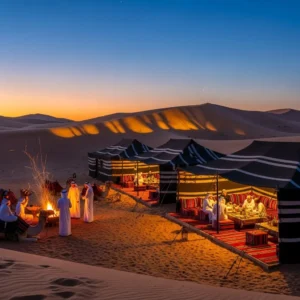
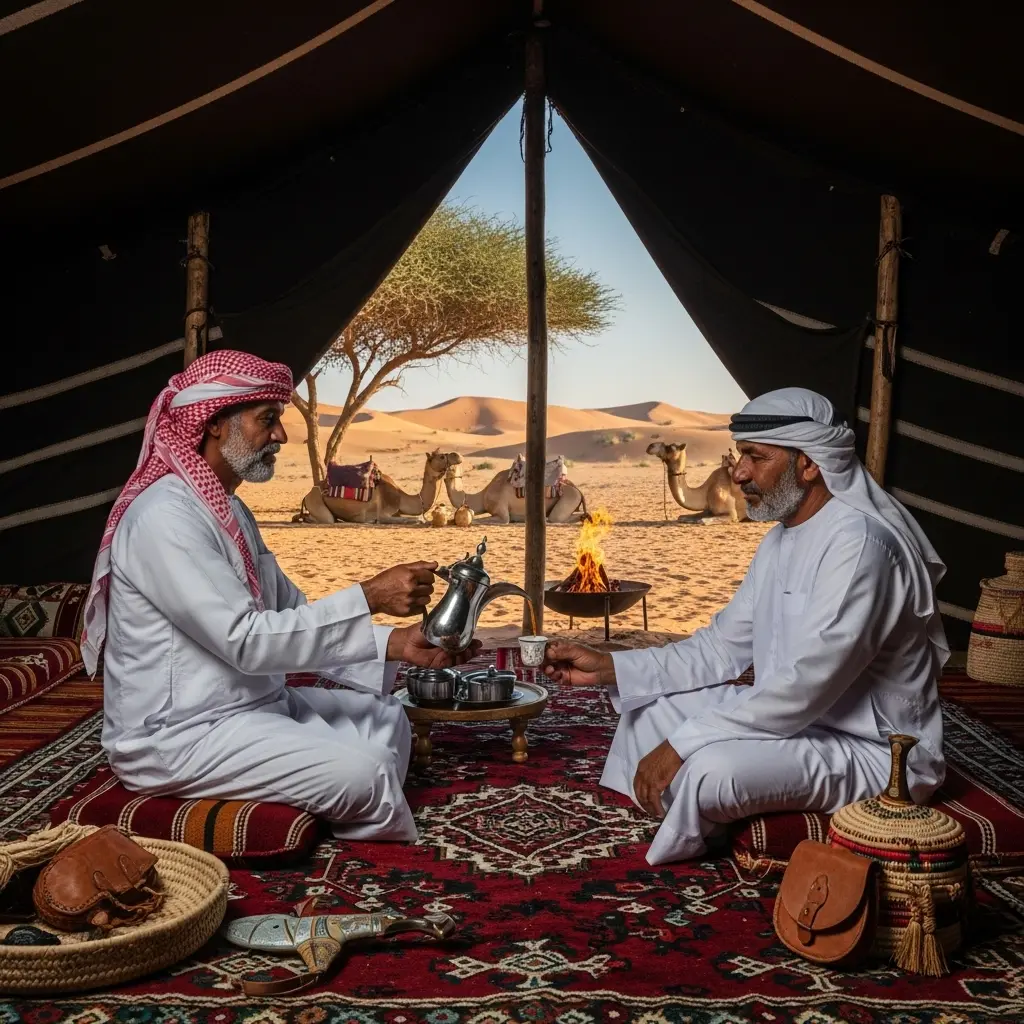
The primary feature of Bedouin Safari Life was the “Bait Al Sha’ar,” or the house of hair. These tents were woven from the hair of goats and sheep, creating a fabric that was remarkably functional. In the heat of the day, the loose weave allowed air to circulate, keeping the interior cool. When it rained, the fibers would swell, making the tent waterproof.
In 2026, premium desert camps recreate these structures to give guests an authentic sense of place. While the modern versions may include luxury amenities, the aesthetic remains rooted in tradition. The tents were divided into sections: one for the men to receive guests (the Majlis) and a private area for the family and cooking.
Logistically, these homes had to be portable. The Bedouin moved with the seasons, following the growth of desert vegetation for their livestock. This transient nature is why Bedouin culture values stories and poetry over physical possessions. When you sit in a desert camp today, you are occupying a space designed for temporary, high-impact living.
The Sacred Ritual of Arabian Hospitality
Hospitality is the cornerstone of Bedouin Safari Life. For a traveler in the desert, finding a camp could be the difference between life and death. Consequently, the Bedouin developed a code of conduct that required them to feed and protect any guest for at least three days.
This tradition survives today in the form of the welcome ritual. Upon arrival at a camp like those found on https://htdesertsafari.com/, you are greeted with “Gahwa” (Arabic coffee) and fresh dates. The coffee is flavored with cardamom and saffron, providing a unique aroma that signifies peace and welcome.
The way the coffee is served is a language in itself. The host holds the pot in the left hand and the small cup in the right. As a guest, you should take the cup with your right hand. If you have had enough, you gently shake the cup from side to side; otherwise, the host will keep refilling it. This level of guest care is the hallmark of the desert experience.
Falconry: The Art of Survival and Status
In the history of Bedouin Safari Life, the falcon was much more than a pet. It was a vital hunting partner. During the winter months, the Bedouin would trap wild falcons and train them to hunt bustards and hares, providing essential protein for the tribe’s diet.
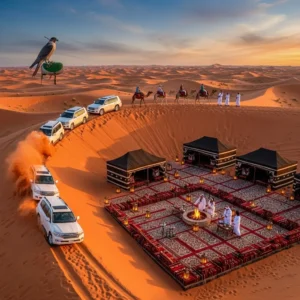
The bond between the falconer and the bird is one of mutual respect. In 2026, falconry is preserved as a national sport and a symbol of Emirati pride. During a luxury safari, guests can witness these birds in action, diving at incredible speeds to catch a lure.
This activity provides a tactile connection to the heritage of the region. Most operators allow guests to hold the falcon, offering a prestigious photography moment. To ensure you are booking a tour with ethical animal practices and professional handlers, check the reviews at https://dubaidesertsafarie.com/ and https://royaldesertadventures.ae/.
Navigating the “Ships of the Desert”
Camels are the undisputed icons of Bedouin Safari Life. Without these resilient animals, survival in the Rub’ al Khali (The Empty Quarter) would have been impossible. Camels provided transportation, milk, meat, and wool. Their ability to travel vast distances with minimal water made them the perfect nomadic companions.
Riding a camel during your safari is the best way to experience the dunes at the traditional pace. From the high vantage point of the saddle, the vastness of the sand becomes even more apparent. The rhythmic swaying of the animal has a meditative quality that relaxes the mind and slows down the heart rate.
In the morning sessions, you can often see the camel caravans moving across the ridges, mimicking the ancient trade routes. Modern operators ensure that the camels are well-rested and treated with the highest standards of animal welfare. For more information on the history of camel breeding in the UAE, visit https://royaldesertadventures.ae/.
| Heritage Element | Ancient Purpose | Modern Safari Role |
| Falconry | Hunting for food | Cultural demonstration |
| Camel Trek | Transport & Trade | Scenic adventure |
| Henna Art | Traditional celebration | Wearable souvenir |
| Gahwa | Welcome ritual | Guest hospitality |
Henna: The Decorative Language of Celebration
Henna art has always played a role in the social fabric of Bedouin Safari Life. Traditionally used by women for weddings and religious festivals, henna is a natural dye made from the leaves of the Lawsonia inermis plant. The intricate patterns applied to the hands and feet are believed to bring “Barakah,” or good fortune.
In the desert camp setting, professional artists continue this tradition. The cooling sensation of the wet paste is a welcome relief after a day in the sun. As the paste dries and falls away, it leaves behind a rich orange or reddish-brown stain that lasts for weeks.
For the modern tourist, henna is a beautiful, temporary souvenir. The designs often feature geometric shapes or floral motifs that are unique to the Arabian Peninsula. It is a quiet, artistic activity that provides a moment of rest before the high-energy evening shows begin.
Traditional Culinary Delights Under the Stars
The diet of Bedouin Safari Life was simple but nutritious. It relied on what the desert and the livestock could provide. Today, the BBQ buffet at a desert camp is an expanded version of this traditional fare, offering a feast for every palate.
The menu typically includes “Ouzi,” which is slow-cooked lamb served on a bed of spiced rice and nuts. This was historically a dish for special occasions and high-ranking guests. You will also find “Harees,” a savory porridge made of wheat and meat, which is a staple during the holy month of Ramadan.
For vegetarians, the abundance of pulses and grains in Middle Eastern cuisine ensures plenty of options. Hummus, Fattoush, and Tabbouleh are all rooted in the agricultural history of the region. Dining on low-seated cushions around a communal fire fosters a sense of unity among travelers. For a detailed look at luxury desert catering, visit https://htdesertsafari.com/.
The Rhythmic Soul of Arabian Dance
As night falls, Bedouin Safari Life comes alive with music and dance. The “Tanoura” dance is a highlight of every evening. The performer wears a heavy, multi-layered skirt that represents the movement of the celestial bodies. As they spin, they create a mesmerizing wheel of color that symbolizes the spiritual journey of the soul.
While the Tanoura has Sufi origins, the “Al Ayyala” is the traditional folk dance of the UAE. It involves two rows of men facing each other, carrying thin bamboo sticks and moving to the rhythm of steady drumbeats. This dance mimics a battle scene and represents the unity and strength of the tribe.
These performances are more than just entertainment; they are a way for the community to pass down stories and values from one generation to the next. In the 2026 safari camps, these shows are produced with professional lighting and sound, making them a sensory highlight of the night.
Stargazing: The Ancient Map of the Nomads
Before the invention of GPS, Bedouin Safari Life relied on the stars for navigation. The vast, open desert provides a clear view of the cosmos that is impossible to find in urban areas. Nomads used the position of the North Star and the constellations to cross the dunes at night when the temperatures were cooler.
Today, stargazing is one of the most peaceful activities offered at a desert camp. Professional astronomy guides use high-powered telescopes to show guests the planets and distant nebulae. Learning how to identify the constellations as the Bedouin did provides a profound sense of perspective.
The silence of the desert at night is a luxury in our noisy world. Sitting on a high dune, away from the camp lights, and looking up at the Milky Way is a spiritual experience for many. For information on the best nights for stargazing based on lunar cycles, consult the experts at https://htdesertsafari.com/.
Sustainable Tourism and Heritage Preservation
In 2026, the focus of Bedouin Safari Life has shifted toward sustainability. The UAE government has implemented strict guidelines to ensure that tourism does not damage the delicate desert ecosystem or dilute the authenticity of the culture.
Reputable operators now follow “Leave No Trace” principles. This includes using solar power for camp lighting and eliminating single-use plastics. By choosing an ethical operator, you are supporting the preservation of the dunes and the continuation of traditional crafts.
Wildlife conservation is also a priority. The Arabian Oryx and the Sand Gazelle, which were once on the brink of extinction, are now thriving in protected reserves like the DDCR. Seeing these animals in their natural habitat is a privilege that requires a respectful distance. Check https://royaldesertadventures.ae/ for their specific conservation protocols.
Logistics of the Modern Desert Transfer
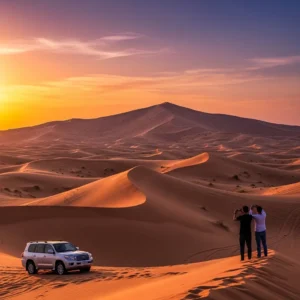
The transition from the city to the heart of Bedouin Safari Life is managed with professional precision. Most tours begin with a pickup in a luxury 4×4 vehicle. The drive takes about 45 to 60 minutes, during which the urban sprawl gives way to the golden horizon.
The technical reliability of the vehicle is paramount. In the desert, your SUV is your lifeline. Top operators ensure their fleets are meticulously maintained to handle the steep dunes and high temperatures. High-powered air conditioning and premium seating ensure you arrive at the camp feeling refreshed.
Punctuality is essential for the sunset experience. Your driver will coordinate with the city dispatchers to avoid traffic and reach the dunes exactly as the light begins to soften. For the most reliable and punctual transfers in Dubai, visit https://htdesertsafari.com/.
Selecting the Right Tier of Heritage Experience
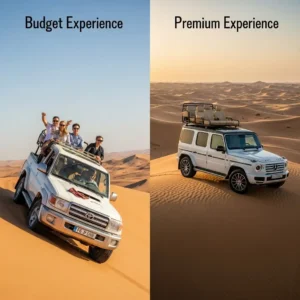
Not all safaris are equal when it comes to Bedouin Safari Life authenticity. A budget tour may provide the basic activities, but a premium or private safari offers a much deeper level of cultural immersion.
In a private safari, you have the undivided attention of your guide. You can spend more time learning about the history of the tribes or practicing your falconry skills. You also get to enjoy a private majlis setup, away from the large crowds, which allows for a more contemplative and exclusive atmosphere.
Comparing the different service tiers on sites like https://dubaidesertsafarie.com/ will help you find the best value for your budget. Look for packages that mention “Heritage” or “Authentic” to ensure you are getting a tour that prioritizes culture over standard tourist gimmicks.
Preparing Your Body for the Desert Environment
To fully appreciate Bedouin Safari Life, physical preparation is key. The desert air is dry, and the sun can be punishing. Hydration should be your number one priority in the hours leading up to your pickup. Drink plenty of water and avoid heavy meals before the dune bashing starts.
Wear loose, breathable clothing made of natural fibers like cotton or linen. This allows your skin to breathe and keeps you cool. A wide-brimmed hat and polarized sunglasses are also mandatory to protect your eyes from the glare of the sand.
If you have pre-existing back or neck problems, inform your operator. They can arrange for a “Gentle Drive” or a direct road transfer to the camp, ensuring you can still enjoy the cultural evening without the physical strain of the off-road ride. Safety is the foundation of a successful adventure.
The Role of Technology in Modern Heritage Tours
In 2026, technology has made Bedouin Safari Life more accessible than ever before. Many camps now offer high-speed satellite Wi-Fi, allowing guests to share their experiences in real-time. While some prefer to disconnect, having the option is a valued feature for modern travelers.
Advanced GPS fleet management ensures that drivers can navigate the dunes safely and efficiently. Some luxury safaris also utilize “Augmented Reality” (AR) apps that overlay historical information and constellation names onto your field of vision as you explore the camp.
This blend of ancient tradition and modern convenience is what makes Dubai a world leader in luxury tourism. It allows you to experience the past through the lens of the future. Visit https://htdesertsafari.com/ to see how they integrate these tools into their daily operations.
Educational Value for Families and Groups
Bedouin Safari Life offers a wealth of educational opportunities. For families with children, it is a real-world history lesson that is far more engaging than any textbook. Learning how the nomads found water or used desert plants for medicine sparks a lifelong curiosity about the world.
For corporate groups, the desert provides a unique environment for team building. The communal nature of the majlis and the shared experience of the dune bashing build strong bonds between colleagues. Many operators can customize the program to include specific heritage talks or traditional games.
Investing in a tour with a knowledgeable guide is essential for getting the most educational value. To find operators that employ senior-level historians and expert trackers, consult the industry resources at https://royaldesertadventures.ae/.
Photography Tips for Capturing the Heritage
Every element of Bedouin Safari Life is a prime opportunity for photography. The “Golden Hour” before sunset provides the best lighting for capturing the textures of the sand and the action of the falconry display.
Use a wide-angle lens to capture the scale of the dunes, and switch to a portrait lens for shots of the performers or the camels. If you are shooting inside a tent, be mindful of the low light; a camera with good ISO performance is a must for night photography.
Always protect your gear from the fine sand. A single grain can damage a lens or a camera sensor. Use a protective filter and carry a dedicated camera bag. For more expert tips on desert photography and to see guest galleries for inspiration, visit https://dubaidesertsafarie.com/.
Comparing Camp Amenities and Seating
When researching your trip, pay close attention to the camp amenities. High-quality camps feature permanent, hotel-standard restroom blocks with marble finishes and full-time maintenance staff. This attention to hygiene is a hallmark of a professional operator.
Seating also varies by tier. Standard camps offer communal floor cushions, while premium and VIP packages offer upgraded seating on elevated sofas or private tables. If you are traveling with seniors, ensure you book a camp that provides chairs with proper back support.
The location of the camp also impacts the experience. Some are located near the city perimeter for convenience, while others are situated deep in the desert reserves for maximum isolation. For a side-by-side comparison of camp facilities, visit https://royaldesertadventures.ae/.
The Future of Desert Tourism in 2026
The tourism industry in Dubai is constantly evolving. In 2026, we are seeing a move toward even more personalized and sustainable Bedouin Safari Life experiences. This includes the development of “Eco-Camps” that have zero carbon footprint and use 100% renewable energy.
The government is also investing in the restoration of historical sites deep in the desert, allowing tourists to visit ancient wells and caravan stops that were previously inaccessible. This commitment to heritage ensures that the story of the Bedouin will continue to be told for generations.
By participating in a desert safari, you are contributing to the preservation of this unique culture. Your support helps keep traditional crafts alive and provides employment for local communities. It is a beautiful exchange of value and appreciation.
Managing Logistics for Large Groups
If you are planning a group event, managing the Bedouin Safari Life logistics requires a professional touch. Coordinating a fleet of ten or more vehicles to arrive and depart at the same time is a complex feat of timing.
Large groups often qualify for private sections within the camp, where they can have their own stage and buffet line. This prevents the party from being split up and allows for a more personalized atmosphere. For group rates and custom itineraries, visit https://htdesertsafari.com/.
Booking at least 8 to 12 weeks in advance is recommended for large groups, especially during the busy winter months. This ensures you can secure a high-quality venue that can accommodate your headcount without feeling overcrowded.
Final Logistics: Return Journey and Drop-off
The final phase of the safari is the return to the city. Around 9:00 PM or 9:30 PM, the vehicles are prepped for the journey home. The drive back is usually quiet, allowing guests to process the day’s adrenaline and the evening’s cultural immersion.
The drop-off is handled with the same care as the pickup. Your driver will ensure you are returned directly to your hotel lobby. Most guests are back in their rooms by 10:30 PM, feeling exhilarated and ready for a good night’s rest.
If you have a late-night flight or a dinner reservation, inform your driver at the start of the tour. They can often prioritize your drop-off to ensure you stay on schedule. Clear communication is the foundation of a stress-free logistical experience in Dubai.
Summary of the Desert Heritage Journey
In conclusion, Bedouin Safari Life is a magnificent story written in the sand. It offers a unique balance of adventure, culture, and hospitality that is unmatched by any other tourist activity in the UAE. By choosing the right partners and arriving with an open mind, you ensure a journey that transcends the ordinary.
The desert is a place of power and peace. Experiencing it through the lens of traditional heritage allows you to truly understand the soul of this incredible country. Trust the professionals to handle your logistics while you focus on the horizon.
The dunes are calling. Whether you seek the thrill of the hunt or the silence of the stars, the desert is ready to deliver. Plan your adventure today and witness the magnificence of Arabia as it was meant to be seen.
Frequently Asked Questions (FAQs)
What exactly does Bedouin Safari Life mean?
It refers to the traditional lifestyle of the nomadic tribes of the Arabian Desert. In a safari context, it involves experiencing their customs, such as tent-dwelling, falconry, camel trekking, and their legendary codes of hospitality and culinary traditions.
Is it safe to visit a Bedouin-style camp?
Yes, it is extremely safe. Licensed safari operators in Dubai must follow strict health and safety protocols monitored by the government. The camps are equipped with first-aid kits, professional staff, and secure transport to and from the city.
What kind of food is served at a traditional safari dinner?
The BBQ buffet dinner usually includes a variety of Halal grilled meats (lamb, chicken, beef), traditional rice dishes like Mandi or Biryani, fresh salads such as Hummus and Tabbouleh, and traditional Arabic desserts like Umm Ali and dates.
Can I hold a falcon during the desert safari?
Yes, most premium safaris include a falconry demonstration where guests can hold the bird on a gloved hand and take photos. Professional handlers are always present to ensure the safety of both the guest and the bird.
What is the best time of year for Bedouin Safari Life tours?
The peak season is from November to March when the daytime weather is pleasant and the evenings are cool. This allows for comfortable participation in all outdoor activities. Summer safaris are also available but are usually timed for the early morning or late afternoon.
Are the camel rides suitable for seniors?
Yes, camel riding is a slow and gentle activity. Most operators provide assistance for mounting and dismounting the animal. If you have mobility concerns, you can choose to simply take a photo with the camel without going for a full ride.
What should I wear for a desert safari?
Wear loose, comfortable cotton or linen clothing. Bring a light jacket or pashmina for the evening, as the desert temperature can drop quickly once the sun goes down. Wear secure sandals or sneakers; avoid high heels.
Is there Wi-Fi available at the desert camp?
Many modern camps provide basic Wi-Fi, but the signal can sometimes be unstable in the deep dunes. Most guests find it a great opportunity to disconnect and enjoy the natural surroundings and cultural performances.
How long does the entire safari experience last?
A standard evening safari lasts about 6 to 7 hours, including transit. You are typically picked up at 3:00 PM and returned to your hotel by 10:00 PM. Morning safaris are shorter, lasting about 4 hours.
Can I book a private safari for my family?
Absolutely. Many luxury operators like those on https://htdesertsafari.com/ specialize in private tours. This allows for a dedicated vehicle and a more personalized itinerary, which is ideal for families or romantic celebrations.
Are there restrooms at the desert camp?
Yes, all permanent desert camps in Dubai are equipped with modern, clean, and gender-separated restroom facilities. They are well-maintained throughout the evening for guest comfort.
Is alcohol served at the desert camp?
Most camps have a licensed bar where you can purchase alcohol. However, alcohol is generally not served during religious holidays or on specific “dry days” mandated by the government. Check with your operator for specific dates.
Can I drive the 4×4 yourself on the dunes?
No, for safety and insurance reasons, only licensed professional drivers are permitted to navigate the 4×4 vehicles on the sand dunes. If you want to drive, you should book a specific quad bike or dune buggy session.
What is the “Tanoura” dance?
The Tanoura is a traditional folk dance where a male performer spins continuously in a heavy, colorful skirt. It is a spiritual and visually stunning performance that represents the movement of the planets and the unity of the universe.
Do I need to tip the driver or camp staff?
Tipping is not mandatory but is widely appreciated in Dubai if you feel the service was exceptional. A small gratuity of 20-50 AED is a kind gesture for a job well done.
How many people are in a shared 4×4 vehicle?
A standard SUV used for safaris can accommodate 6 to 7 passengers plus the driver. On a shared tour, you will likely be seated with other small groups or solo travelers.
Is the desert safari safe for pregnant women?
While the cultural activities at the camp are perfectly safe, the dune bashing segment is not recommended for pregnant women due to the bumpy ride. Many operators offer a “Direct to Camp” option that skips the dune bashing.
What is Arabic coffee (Gahwa)?
Gahwa is a traditional welcome drink flavored with cardamom and sometimes saffron. It is served in small cups and is a symbol of Arabian hospitality. It is almost always served with dates.
Are there vegetarian and vegan food options?
Yes, Middle Eastern cuisine is naturally very inclusive. The buffet always includes a variety of plant-based appetizers, salads, and vegetable curries. Mention any specific dietary needs during your booking at https://htdesertsafari.com/.
Why choose https://htdesertsafari.com/ for a heritage safari?
They work with the most reputable operators who prioritize cultural authenticity, safety, and guest comfort. Their focus on luxury logistics ensures your desert journey is a five-star experience from start to finish. For more info, check https://dubaidesertsafarie.com/ and https://royaldesertadventures.ae/.
Bedouin Safari Life insights reveal that the desert is a place of deep connection and beauty. By choosing the right partners and focusing on the details, you ensure an experience that is as safe as it is unforgettable. The dunes are waiting—your adventure is ready to be unveiled.