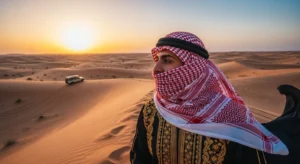


Beyond Dune Bashing – Discovering Emirati Food, Heritage and Authentic Desert Culture in the UAE
When people think about a desert safari in Dubai, the first activities that usually come to mind are dune bashing, camel riding and sandboarding. These experiences are exciting, but the Arabian desert has a much deeper story that goes beyond adventure tourism.
Long before Dubai became an international destination known for its modern architecture and luxury lifestyle, communities across the Arabian Peninsula developed ways of living in challenging desert environments.
They learned how to travel across the dunes, manage limited water supplies, raise livestock, prepare traditional meals and build communities around hospitality and trade.
Today, travelers can discover elements of this heritage through an Authentic Desert Experience Dubai that combines cultural activities, traditional food and opportunities to understand local customs.
For international visitors, these experiences provide a different perspective on the UAE. Instead of simply visiting the desert for entertainment, they can learn about the people, traditions and history that helped shape the country.
Royal Desert Adventures recognizes the importance of making desert experiences meaningful by introducing visitors to the cultural side of Arabian life.
Understanding the Cultural History of the Arabian Desert
The desert has played an important role in the history of the Arabian Peninsula.
For generations, communities adapted their lifestyles to the natural conditions of the region.
Water availability, seasonal weather, animal husbandry and trade influenced how people traveled and organized their daily activities.
The Bedouin Way of Life
Bedouin communities are historically associated with nomadic and semi-nomadic lifestyles in desert regions.
Their traditional knowledge included understanding desert routes, identifying water sources and managing animals in difficult environments.
Hospitality was an important cultural value.
Welcoming guests, offering refreshments and sharing food helped strengthen relationships between families and communities.
Although modern lifestyles have changed significantly, many traditional customs remain important parts of regional cultural identity.
The Importance of Camels
Camels were essential to traditional desert life.
They provided transportation across difficult terrain and helped communities carry goods over long distances.
They also contributed to food and other aspects of daily living.
Today, camel-related experiences allow tourists to learn about an animal that has a special place in Arabian heritage.
Visitors can discover the history of camel travel and understand why camels became known for their ability to survive in arid environments.
Traditional Desert Architecture
Traditional desert structures were designed according to local environmental conditions and available materials.
Tents, palm-frond structures and other traditional buildings provided practical shelter.
Some modern desert camps incorporate elements of these architectural styles to create an atmosphere inspired by regional heritage.
However, visitors should understand the difference between contemporary tourist camp design and historically authentic buildings.
Discovering Traditional Emirati Food During a Desert Safari
Food is one of the most enjoyable ways to understand a culture.
Emirati cuisine reflects the history, geography and trading connections of the UAE.
Traditional meals often feature rice, meat, seafood, spices, dates and locally important ingredients.
A cultural desert safari may provide opportunities to taste regional dishes and learn about their significance.
Machboos
Machboos is one of the well-known traditional dishes of the UAE.
It is generally prepared using rice, meat or seafood, and a mixture of aromatic spices.
The ingredients are cooked together to develop a rich flavor.
The exact recipe can differ between households and regions.
For visitors, tasting machboos can provide an introduction to traditional Emirati home cooking.
Harees
Harees is another traditional dish associated with the UAE and other parts of the Gulf region.
It is commonly prepared using wheat and meat, which are cooked slowly until they develop a soft consistency.
The dish has cultural importance and is often associated with family gatherings and special occasions.
Luqaimat
Luqaimat are small fried dough balls that are commonly served as a traditional dessert.
They are often finished with date syrup and sometimes sesame seeds.
Their soft interior and sweet exterior make them a popular choice among visitors interested in regional desserts.
Arabic Coffee and Dates
Arabic coffee, commonly called gahwa, is an important part of traditional hospitality.
It is often prepared with cardamom and may contain other spices depending on the recipe.
Dates are frequently served alongside coffee.
The combination represents more than a simple refreshment. It reflects the importance of welcoming guests and sharing food.
Visitors should take the opportunity to learn about the traditional way coffee is served during cultural experiences.
The Importance of Arabian Hospitality
Hospitality is one of the most recognizable elements of traditional Arabian culture.
Welcoming visitors and offering refreshments are customs that have been practiced across the region for generations.
During a cultural desert experience, visitors may encounter traditional seating arrangements, Arabic coffee service and opportunities to enjoy regional food.
Understanding these customs can make a desert safari more meaningful.
International travelers should also remember that cultural experiences are most enjoyable when approached with respect and genuine curiosity.
Traditional Clothing and Its Cultural Meaning
Traditional clothing is another interesting part of Emirati heritage.
Men commonly wear the kandura, while women traditionally wear the abaya alongside other clothing and accessories.
These garments have evolved over time and are worn in different styles depending on personal preference and occasion.
Visitors may encounter traditional clothing demonstrations during cultural events and heritage-focused tourism experiences.
If photography is permitted, it is always respectful to ask permission before taking close-up photographs of individuals.
Traditional Activities That Help Visitors Understand Authentic Desert Experience Dubai
A cultural desert safari can include several activities that connect visitors with traditional lifestyles.
Camel Experiences
Camel riding offers a small introduction to the historical relationship between people and the desert.
Visitors can learn about camel characteristics, their historical uses and their importance in Arabian culture.
Animal welfare should remain a priority when selecting a camel experience.
Henna Art
Henna is an important traditional art form across several Middle Eastern and South Asian cultures.
Natural henna is commonly used to create temporary decorative designs on the skin.
During some desert camp experiences, visitors can observe henna application and choose a simple design.
People with sensitive skin should ask about the ingredients and avoid products containing unsafe additives.
Traditional Music and Dance
Some cultural camps include performances inspired by regional music and dance traditions.
These performances introduce visitors to the artistic side of Arabian heritage.
It is important to remember that the UAE contains diverse cultural traditions, and not every performance represents the same historical community or region.
Falconry Heritage
Falconry has a long history in the Arabian Peninsula.
Falcons were traditionally used for hunting and became important symbols of regional heritage.
Today, falconry is recognized as an important cultural tradition.
Visitors may encounter educational demonstrations at suitable heritage destinations and should follow all guidance concerning animal handling and photography.
Why Cultural Desert Tourism Matters
Cultural tourism allows travelers to learn about the history and traditions of a destination.
For the UAE, it offers an opportunity to share stories that existed long before the development of modern cities.
It also encourages visitors to appreciate the people and traditions behind the destination they are exploring.
A cultural safari can be particularly valuable for international tourists who want more than photographs and entertainment.
Families can introduce children to regional history, couples can enjoy a meaningful shared experience, and solo travelers can develop a deeper understanding of Emirati culture.
How to Experience the Desert Respectfully
Responsible behavior is important when exploring natural and cultural destinations.
Visitors should follow these simple practices:
-
Respect local customs and traditions.
-
Ask permission before photographing people.
-
Avoid leaving litter in the desert.
-
Do not disturb wildlife.
-
Follow the instructions of guides.
-
Respect designated cultural and heritage areas.
-
Avoid damaging traditional structures or natural surroundings.
These small actions help protect the experience for future visitors.
Choosing a Cultural Desert Safari in Dubai
Not every desert safari focuses on cultural education.
Some packages concentrate mainly on adventure activities, while others include traditional food, heritage presentations and cultural entertainment.
Before booking, ask the operator about the actual cultural activities included.
Consider the following:
-
Is traditional Emirati food available?
-
Are Arabic coffee and dates included?
-
Are cultural presentations part of the program?
-
Is there an opportunity to learn about camel heritage?
-
Are traditional activities guided by knowledgeable staff?
-
Is transportation included?
-
Are vegetarian and special dietary options available?
A clear package description makes it easier to choose an experience that matches your interests.
Why Choose Royal Desert Adventures?
Royal Desert Adventures aims to help travelers discover the Arabian desert through memorable experiences.
For visitors interested in culture, the most rewarding experience is one that combines enjoyable activities with genuine opportunities to understand the region.
Before choosing a package, review the activities, meal arrangements, transportation and cultural inclusions.
Whether you are interested in traditional food, Arabic hospitality, camel heritage or the history of desert communities, exploring these elements can make your Dubai holiday more meaningful.
Frequently Asked Questions
1. What is an authentic desert experience in Dubai?
It is a desert experience that introduces visitors to Arabian traditions, local food, hospitality, history and cultural activities alongside the natural landscape.
2. What traditional food can I try during a desert safari?
Depending on the package, visitors may find machboos, harees, luqaimat, dates and Arabic coffee.
3. What is the traditional Arabic coffee served in the UAE?
Arabic coffee, or gahwa, is commonly prepared with cardamom and served in small cups, often alongside dates.
4. Why are camels important in Emirati culture?
Camels historically supported transportation, trade and daily life in desert environments.
5. Can tourists experience traditional Emirati clothing?
Some heritage experiences include opportunities to learn about traditional clothing and cultural dress.
6. What is the significance of falconry in the UAE?
Falconry is a historic practice associated with Arabian heritage and remains an important cultural tradition.
7. Is a cultural desert safari suitable for children?
Yes. Cultural activities can provide children with an interesting introduction to regional history and traditions.
8. Does every desert safari include Emirati food?
No. Menus differ between operators. Visitors should confirm whether traditional Emirati dishes are available.
Conclusion
An authentic desert experience in Dubai provides an opportunity to explore much more than sand dunes and adventure activities.
Through traditional food, Arabic hospitality, camel heritage, cultural presentations and historical stories, visitors can discover the traditions that helped shape the UAE.
For travelers who want to understand the destination beyond its modern attractions, cultural desert tourism offers a meaningful addition to their holiday.
Explore the available experiences with Royal Desert Adventures and discover the cultural heritage behind the beautiful Arabian desert.