
Dubai Desert Planning: Mastering the Art of the Arabian Dunes Expedition
Dubai Desert Planning is the foundation of any successful journey into the majestic golden sands of the United Arab Emirates. While many travelers assume that a safari is a simple, one-size-fits-all excursion, the reality of 2026 is far more nuanced. The desert is a vast and dynamic landscape where the quality of your experience depends heavily on technical preparation, seasonal awareness, and logistical precision.
Beyond the skyscrapers and luxury malls of the city center lies a world of ancient Bedouin heritage and high-adrenaline adventure. Whether you are a thrill-seeker looking for extreme dune bashing or a family seeking a quiet cultural dinner under the stars, your preparation will dictate your success. This extensive report serves as the definitive framework for navigating the various tiers, timings, and traditions of the Dubai and Abu Dhabi sands.
Understanding the cycle of the desert is vital for setting realistic expectations. From the intense heat of the summer months to the crisp, chilly air of the winter nights, the Arabian dunes require respect and foresight. Let us explore the magnificent world of safari logistics and uncover the secrets to a flawless desert itinerary.
Analyzing the Core Differences: Dubai vs. Abu Dhabi
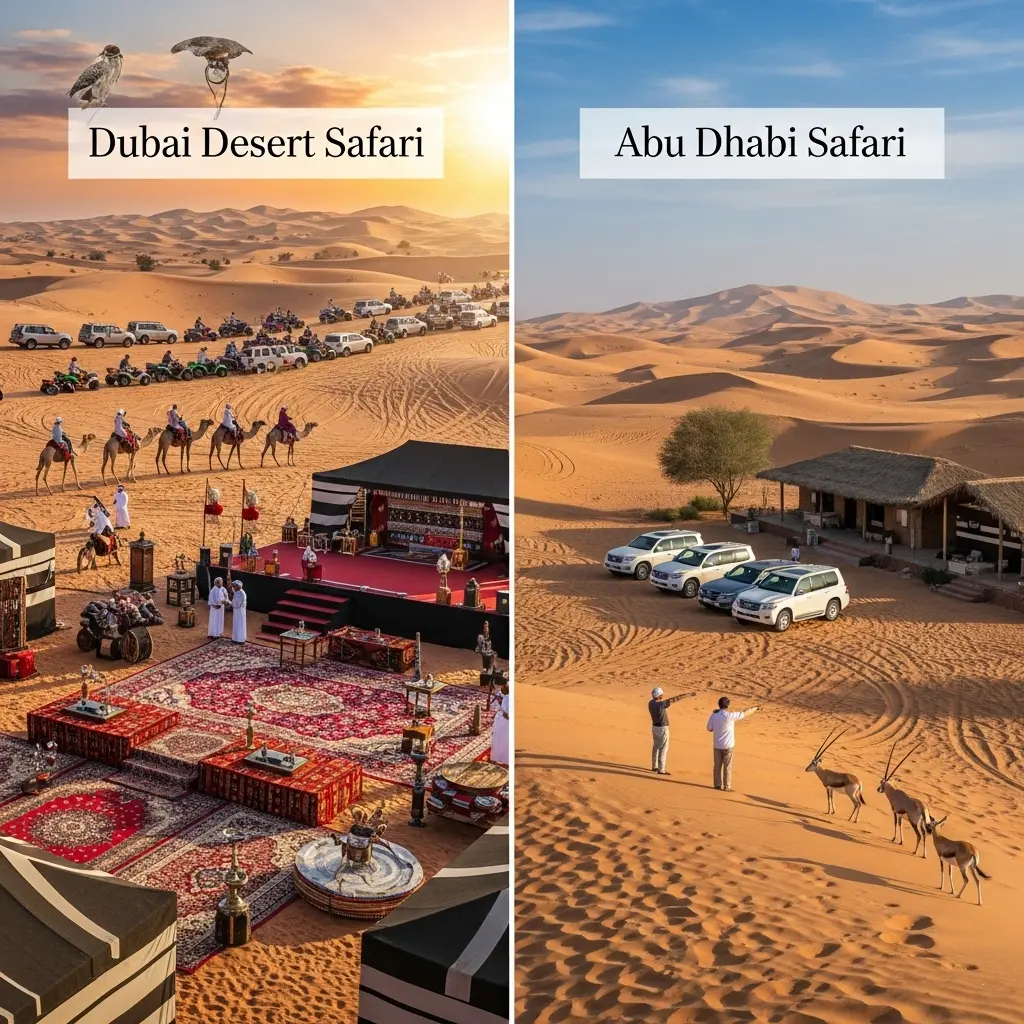
When engaging in Dubai Desert Planning, the first question most travelers ask is whether they should choose a safari in Dubai or Abu Dhabi. Both cities offer incredible desert landscapes, but the “vibe” and logistical flow are distinct. Dubai is the global hub for desert entertainment, known for its high-energy atmosphere and easily accessible dunes.
Abu Dhabi, by contrast, offers a more serene and expansive experience. The Liwa Desert, located about two to three hours from the capital, features some of the highest sand dunes in the world, part of the legendary Empty Quarter (Rub’ al Khali). While Abu Dhabi focuses on the vastness and silence of the landscape, Dubai focuses on a structured program of thrills and cultural showcases.
Dubai safaris are typically closer to the city center, often just a 45 to 60-minute drive away. This makes them ideal for travelers on a tight schedule or those who prefer to return to their luxury hotels by late evening. Abu Dhabi tours are often longer expeditions, perfect for those seeking deep isolation and a more “raw” desert encounter.
Strategic Logistics of Vehicle Selection
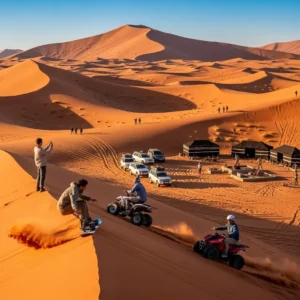
The technical reliability of your transport is a non-negotiable pillar of Dubai Desert Planning. In the deep desert, your 4×4 vehicle is your lifeline. Standard safaris typically utilize modified Toyota Land Cruisers or Nissan Patrols, which are the workhorses of the Arabian dunes. These vehicles are fitted with roll cages, reinforced suspension, and high-performance cooling systems.
In the luxury tier, the options expand to include Range Rovers, Mercedes G-Wagons, and even vintage 1950s Land Rovers for heritage-focused tours. The comfort level inside the vehicle impacts how you feel after a session of dune bashing. A newer model with multi-zone air conditioning and premium leather seating ensures that the 60-minute drive from your hotel is a relaxation period rather than a chore.
When booking, verify the age of the fleet and the safety certifications of the drivers. Licensed professional guides undergo rigorous training to “read” the sand’s density and moisture levels. This expertise is what allows for a thrilling ride that remains strictly within the bounds of safety. To research the best fleet options, consult the listings at https://htdesertsafari.com/ and check for verified safety ratings.
Seasonal Awareness and Weather Preparation
Dubai Desert Planning is heavily dictated by the local meteorological cycles. The peak season for tourism falls between November and March. During these months, the weather is flawless, with daytime temperatures between 20°C and 28°C. This is the best time for extended outdoor activities like sandboarding and camel trekking.
The summer months, from June to September, present a different logistical challenge. Temperatures can soar above 45°C. To maintain guest comfort, reputable operators adjust their timings, starting safaris later in the afternoon when the solar radiation is decreasing. Summer travelers often benefit from lower prices and more exclusive, less crowded camps, making it a great time for budget-conscious luxury.
Regardless of the month, humidity plays a role in visibility. A clear, dry day is essential for those seeking crisp, long-distance landscape photography. Understanding these seasonal shifts helps you pack the correct attire and manage your hydration levels effectively. For seasonal travel tips, check out https://dubaidesertsafarie.com/ and https://royaldesertadventures.ae/.
The Strategic Value of Private vs. Shared Tours
A common dilemma in Dubai Desert Planning is deciding between a shared and a private tour. A shared tour is vibrant and social, allowing you to meet other travelers from across the globe. You share the 4×4 vehicle and the camp table, which is a cost-effective way to experience the highlights.
However, for those valuing exclusivity, a private safari is a transformative upgrade. In a private vehicle, you dictate the pace. If you want to spend an extra thirty minutes on a high ridge for a professional photoshoot, the driver is at your command. You also bypass the multiple hotel pickups that are common in shared tours, saving you up to 90 minutes of city transit time.
Private safaris are particularly recommended for families with young children or seniors, as the intensity of the dune bashing can be customized to their specific comfort levels. It transforms the day from a group activity into a bespoke family memory. You can find specialized private itineraries and VIP camp setups at https://htdesertsafari.com/.
| Feature | Dubai Safari | Abu Dhabi (Liwa) Safari | Best For |
| Distance from City | 45-60 Minutes | 2-3 Hours | Time Efficiency (Dubai) |
| Dune Height | Moderate to High | Extremely High | Adrenaline (Abu Dhabi) |
| Camp Vibe | Festive & Social | Quiet & Authentic | Relaxation (Abu Dhabi) |
| Price Range | AED 150 – 1000 | AED 300 – 1500 | Budget (Dubai) |
| Photography | Red Dunes | Golden/White Dunes | Visual Variety |
Mastering the Art of Desert Photography
Your Dubai Desert Planning must account for the unique lighting conditions of the sand. The “Golden Hour”—the hour before sunset—is when the dunes take on a deep, saturated orange glow. This directional light creates long shadows that highlight the ridges and ripples of the sand, providing a professional depth to your photos.
If you are using a smartphone, ensure you have plenty of storage and a portable power bank. High-resolution videos and photos drain batteries quickly in the desert heat. For professional DSLR users, a polarizing filter is essential to cut the glare from the silica particles in the sand and to darken the blue of the sky for a dramatic contrast.
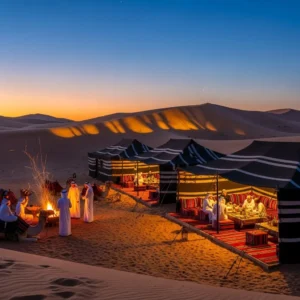
Don’t forget the “Blue Hour” immediately after sunset. The sky turns a deep, electric blue, which provides a hauntingly beautiful backdrop for photos of the Bedouin camp lanterns. For more technical advice on desert photography and to see guest galleries for inspiration, visit https://royaldesertadventures.ae/.
Essential Gear: The Safari Packing Checklist
What you wear is a functional part of Dubai Desert Planning. The desert is a land of sensory extremes, and your clothing should be your first line of defense. We recommend loose-fitting, breathable cotton or linen fabrics. These materials allow air to circulate around your body, facilitating natural cooling.
Despite the daytime heat, the desert loses thermal energy rapidly once the sun disappears. Even in the summer, a light breeze can feel chilly. In the winter months, the temperature can drop to 12°C. Always pack a light jacket, pashmina, or hoodie for the evening shows. Closed-toe shoes like sneakers are better for the sand than flip-flops, as they provide better grip for sandboarding and protect your feet from hot sand.
Other non-negotiable items include high-SPF sunscreen, polarized sunglasses, and a wide-brimmed hat. A small “sand-proof” pouch for your smartphone is also a smart investment to prevent the fine dust from entering your charging ports. For a comprehensive clothing guide, check the resources at https://dubaidesertsafarie.com/.
Logistics of Pickup and Punctuality
Logistical precision in the pickup phase is a hallmark of a professional operator. Most evening safaris start their collection routes between 2:30 PM and 3:30 PM. Being ready in your hotel lobby five minutes before your window ensures the entire convoy stays on schedule for the sunset.
In 2026, technology has streamlined this process. You will often receive a WhatsApp message from your driver with their name and vehicle plate number. This transparency reduces anxiety and makes the start of your journey seamless. The transition from the urban noise to the desert silence is one of the most underrated parts of the day.
If you are staying at an Airbnb or a residential building, provide a clear Google Maps pin during your booking. This prevents delays and ensures the 4×4 finds you quickly. For the most reliable and punctual transfers in the city, visit https://htdesertsafari.com/ to secure your booking.
Understanding the Cultural Etiquette of the Camp
Dubai Desert Planning is not just about logistics; it is about cultural awareness. The desert camp is a place where you are a guest of Bedouin hospitality. Respecting the local customs enhances the mutual respect between the traveler and the host nation.
When at the camp, dress modestly. While the desert is a relaxed environment, covering your shoulders and knees is a respectful gesture. Avoid being disruptive during the cultural performances like the Tanoura or the fire show. These artists are professionals who take great pride in their heritage, and they appreciate an attentive audience.
If you wish to take photos of the camp staff or local performers, it is polite to ask for permission first. Most are happy to pose, especially for children. This small act of courtesy goes a long way in building a positive connection. For more cultural insights, explore the heritage blogs at https://royaldesertadventures.ae/.
Culinary Logistics: BBQ and Dietary Needs
The BBQ buffet dinner is the centerpiece of the evening, and managing your dietary needs is an important part of Dubai Desert Planning. In 2026, Dubai’s culinary standards are world-class, even in the middle of the dunes. The buffet typically features a wide variety of Halal meats, fresh salads, and traditional desserts.
If you are vegetarian, vegan, or have a gluten allergy, you must inform your operator at least 48 hours in advance. Most camps now offer a dedicated section for special diets, including lentil soups, vegetable curries, and gluten-free bread. Arabic cuisine is naturally inclusive, as many traditional mezze dishes like hummus and tabbouleh are plant-based.
Hygiene is strictly monitored by the Dubai Municipality. Kitchens in the desert are inspected to the same standards as city restaurants, ensuring that your meal is both safe and delicious. To compare the dining menus of various camps, visit https://dubaidesertsafarie.com/ and check the guest reviews.
Safety Standards and Insurance Coverage
Safety is the invisible pillar of Dubai Desert Planning. No adventure is worth the risk of injury. In the UAE, the safari industry is strictly regulated. All tourism vehicles must pass annual inspections by the RTA to ensure their roll cages and safety harnesses are functioning perfectly.
Drivers must hold a specialized desert driving license, which requires years of experience and a clean safety record. Before you begin the dune bashing session, the driver will provide a safety briefing. It is vital to keep your seatbelt fastened at all times and follow the instructions regarding window closure during the high-speed segments.
Verify that your chosen operator carries comprehensive insurance for all passengers. Reputable companies like https://htdesertsafari.com/ are transparent about their safety protocols and insurance policies. This peace of mind allows you to fully enjoy the adrenaline of the dunes without concern.
The Role of Technology in Safari Transfers
In 2026, technology has fundamentally improved Dubai Desert Planning. High-speed satellite Wi-Fi is now available in many premium 4×4 fleets and desert camps. This allows guests to stay connected and share their live experiences without relying on spotty cellular coverage in the remote dunes.
Advanced GPS fleet management also ensures that drivers can avoid heavy traffic on the way to the desert entry points. This optimizes the “active” desert time, ensuring you get the most value for your money. Some operators even provide digital tablets in the vehicles that offer interactive guides on the desert ecosystem.
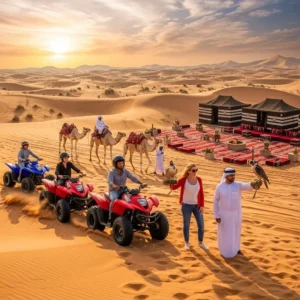
Technological innovation also extends to the sand activities. Modern dune buggies and quad bikes are equipped with high-tech sensors and automatic gearboxes, making them safer and easier for beginners to operate. To see the latest tech-forward safari options, visit https://royaldesertadventures.ae/.
Wildlife Preservation and Eco-Tourism
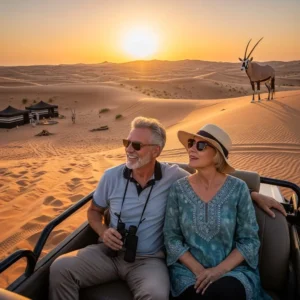
As part of your Dubai Desert Planning, consider the environmental impact of your trip. The desert is a fragile ecosystem that is home to native species like the Arabian Oryx and the Sand Gazelle. Responsible tourism ensures that these animals are not disturbed by human activity.
Reputable operators follow “Leave No Trace” principles. This means that all waste from the camp is trucked back to the city for recycling, and vehicles stay on designated tracks to avoid damaging the desert flora, such as the Ghaf tree. Supporting eco-conscious companies is a way to preserve the beauty of the dunes for future generations.
If you are a nature enthusiast, look for “Heritage Safaris” that focus on wildlife spotting rather than high-speed dune bashing. These tours often take place in protected reserves like the DDCR and use professional naturalists as guides. Check https://htdesertsafari.com/ for their eco-friendly safari packages.
Preparing Your Body for the Adventure
The physical aspect of Dubai Desert Planning is often overlooked. Dune bashing is a high-impact activity that involves sharp turns, vertical drops, and significant movement inside the vehicle. If you are prone to motion sickness, take the necessary precautions at least an hour before the tour begins.
Avoid eating a heavy meal immediately before your pickup. A light lunch is better to ensure your stomach stays settled during the ride. Hydration is also critical; the dry desert air evaporates moisture from your body before you even realize you are sweating. Drink plenty of water throughout the afternoon and evening.
If you have pre-existing back or neck problems, or if you are pregnant, we recommend skipping the dune bashing segment. Most operators offer a “Direct to Camp” transfer in a standard vehicle, allowing you still to enjoy the cultural dinner and shows without the physical strain of the off-road ride. Consult the safety guidelines at https://dubaidesertsafarie.com/.
Comparing Camp Amenities and Seating Tiers
Not all camps are equal, and your Dubai Desert Planning should include a careful review of the camp facilities. Standard camps offer communal floor seating on carpets and cushions. While authentic, this may not be comfortable for everyone for a four-hour duration.
Premium and VIP packages offer upgraded seating, often including plush sofas, private tables, and elevated platforms that provide a better view of the evening entertainment. Some luxury camps even feature air-conditioned tents and private cabanas for those seeking total privacy.
Restroom facilities also vary. Budget tours may use portable units, while premium camps feature permanent, hotel-standard restroom blocks with marble finishes and full-time maintenance staff. This attention to hygiene is a hallmark of a high-quality operator. To see photos of these various camp tiers, visit https://royaldesertadventures.ae/.
Managing Group Dynamics and Large Parties
If you are planning a group event, such as a corporate retreat or a large family reunion, Dubai Desert Planning requires a specialized approach. Coordinating a fleet of ten or more vehicles to arrive and depart at the same time is a complex logistical feat.
Groups often qualify for private camp enclosures where they can have their own stage and buffet line. This prevents the party from being split up and allows for a more personalized atmosphere. If you are celebrating a birthday or anniversary, the camp emcee can often arrange a special shout-out or a private cake cutting ceremony.
For group bookings, start your planning at least 8 to 12 weeks in advance, especially for the busy winter months. This ensures you can secure a high-quality venue that can accommodate your headcount without feeling overcrowded. For group rates and custom logistics, visit https://htdesertsafari.com/.
Stargazing and the Mystery of the Night Sky
The final act of the desert journey is the transition to night. One of the most tranquil parts of Dubai Desert Planning is the stargazing session. Away from the artificial light of the city, the desert sky reveals its true brilliance.
Professional camps often provide telescopes and astronomy guides to point out the constellations and planets visible in the 2026 sky. You can see the Milky Way with the naked eye, a sight that is increasingly rare in our urban world. This moment of silence and reflection provides a profound sense of perspective.
If you are interested in astrophotography, this is the time for long-exposure shots. Capturing the glow of the camp fires under the vast canopy of stars is a technical challenge that results in stunning visuals. For information on the best nights for stargazing based on lunar cycles, check https://royaldesertadventures.ae/.
The Significance of Traditional Entertainment
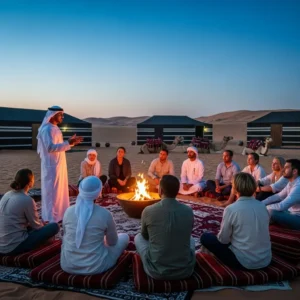
Entertainment is the soul of the evening camp, and understanding the performances is a key part of Dubai Desert Planning. The Tanoura dance is a spiritual whirl that represents the celestial movement of the universe. Watching the dancer spin in a continuous circle for twenty minutes is a hypnotic experience.
Belly dancing and fire shows follow, offering a high-energy display of skill and artistry. These shows are designed to keep the energy high as the BBQ dinner is served. The performers are often international professionals who bring a world-class level of talent to the desert stage.
Interacting with the performers after the show is a great way to learn about their craft. Most are happy to pose for photos with guests. This engagement makes the cultural experience feel more personal and inclusive. To see which operators offer the highest-rated entertainment programs, visit https://dubaidesertsafarie.com/.
Final Logistics: Return Journey and Drop-off
The final phase of Dubai Desert Planning is the journey home. Most evening safaris conclude around 9:00 PM or 9:30 PM. The return drive to the city is usually quiet, as guests process the day’s adrenaline and the evening’s culture.
The drop-off is handled with the same care as the pickup. Your driver will ensure you are returned directly to your hotel entrance or a pre-arranged landmark like the Dubai Mall. Most guests are back in their rooms by 10:30 PM, feeling exhilarated and ready for rest.
If you have a late-night flight or a city dinner reservation, inform your driver at the start of the tour. They can often prioritize your drop-off to ensure you stay on schedule. Clear communication is the key to a stress-free logistical experience. For help with your Dubai itinerary, visit https://htdesertsafari.com/.
Summary of the Planning Blueprint
Dubai Desert Planning is a journey of discovery. By choosing the right timing, the right transport, and the right partners, you ensure an adventure that transcends the typical tourist excursion. The desert is a place of magic, and your preparation is what unlocks that power.
In 2026, the UAE offers a level of luxury and safety that is unmatched globally. From the first cup of Arabic coffee to the final fire show, every second is a masterclass in hospitality. Trust the experts to handle your logistics while you focus on the horizon.
The dunes are calling. Whether you seek the thrill of the ride or the silence of the stars, the desert is ready to deliver. Plan your adventure today and witness the magnificence of Arabia as it was meant to be seen.
Frequently Asked Questions (FAQs)
What is the best month for Dubai Desert Planning to avoid the heat? The ideal window is from November to March. During these months, the temperatures are pleasant for all outdoor activities. If you must visit in the summer, we recommend a morning safari or a private evening safari to minimize heat exposure.
Is it safe to go dune bashing if I have medical issues? Dune bashing is a high-intensity activity. It is not recommended for individuals with back or neck problems, heart conditions, or pregnant women. However, you can still enjoy the desert by booking a “Direct to Camp” transfer which avoids the bumpy ride.
What kind of food is typically served at the desert BBQ dinner? The buffet usually includes grilled chicken (Shish Taouk), lamb kofta, beef steaks, and various rice dishes like Mandi or Biryani. It also features a wide range of fresh salads, hummus, and traditional desserts like Umm Ali and fresh fruit.
Can I book a private safari for just my family? Absolutely. Many luxury operators like those on https://htdesertsafari.com/ specialize in private tours. This allows you to have a dedicated vehicle and driver, offering a more intimate and customizable experience for your group.
What is the “Golden Hour” in desert photography? The Golden Hour refers to the period shortly before sunset when the light is warm, soft, and produces long shadows. It is the best time for photography because it highlights the textures of the dunes and provides a flattering glow for portraits.
Are there many bugs or snakes at the desert camps? Licensed camps are situated in areas that are regularly monitored and maintained for safety. While you might see a few small desert beetles, professional pest control ensures the camp area remains comfortable and safe for guests.
What should I wear for a desert safari in the evening? Wear loose, comfortable cotton or linen clothing. Bring a light jacket or pashmina for the evening, as the temperature can drop quickly once the sun goes down. Wear secure sandals or sneakers; avoid high heels or formal shoes.
Is the water provided at the camp safe to drink? Yes, all reputable operators provide chilled, bottled mineral water throughout the entire trip. It is essential to drink frequently to stay hydrated in the arid desert environment.
How long does the entire desert safari experience last? A standard evening safari lasts about 6 to 7 hours, including transit. You are typically picked up at 3:00 PM and returned to your hotel by 10:00 PM. Morning safaris are shorter, lasting about 4 hours.
Do I need to carry my passport on the desert safari? While you don’t need the physical passport at the camp, it is always a good idea to have a clear photo of it on your phone for identification purposes if required by local authorities during the drive.
Is there Wi-Fi available in the desert? Many premium vehicles and camps now offer high-speed satellite Wi-Fi. However, the signal can be weak in the deep dunes. Most guests find it a great opportunity to disconnect and enjoy the natural surroundings.
Can I drive the 4×4 myself? For safety and insurance reasons, only licensed professional drivers are permitted to operate the vehicles on the dunes. If you want a self-drive experience, you should book a specific quad bike or dune buggy session.
Are the desert camps accessible for people with disabilities? Many modern camps are designed with accessibility in mind, featuring flat paths and dedicated restroom facilities. Inform your operator during booking to ensure they assign you to the most accessible camp.
What happens if it rains in the desert? Rain is rare in Dubai, but if it occurs, the operator will monitor the conditions. If the weather makes the tour unsafe, they will contact you to reschedule or provide a full refund. Safety is always the primary concern.
Is alcohol served at the desert camp? Most permanent camps have a licensed bar where you can purchase alcohol. However, alcohol is not served during religious holidays or on specific “dry days” mandated by the government.
Can I book a safari last minute? During the off-peak season, yes. However, during the busy winter months, it is highly recommended to book at least 72 hours in advance to secure your preferred vehicle and pickup time.
Are there restrooms at the desert camp? Yes, all licensed camps feature modern, clean restroom facilities that are separated for men and women. Premium camps offer hotel-standard restrooms with full amenities.
How many people are in a shared 4×4 vehicle? A standard SUV used for safaris can accommodate 6 to 7 passengers plus the driver. On a shared tour, you will likely be seated with other small groups or solo travelers.
What is the “Tanoura” dance? The Tanoura is a traditional folk dance where a male performer spins continuously in a colorful, heavy skirt. It is a spiritual performance that represents the movement of the celestial bodies and the unity of the universe.
Why choose https://htdesertsafari.com/ for my desert adventure? They work with the most reliable and highly-rated operators in Dubai. Their focus on logistical excellence, vehicle maintenance, and guest satisfaction ensures that your safari is spectacular. For more info, check https://dubaidesertsafarie.com/ and https://royaldesertadventures.ae/.
Dubai Desert Planning is a magnificent story written in the sand. By choosing the right partners and focusing on the details, you ensure an experience that is as safe as it is unforgettable. The dunes are waiting—your adventure is ready to be unveiled.