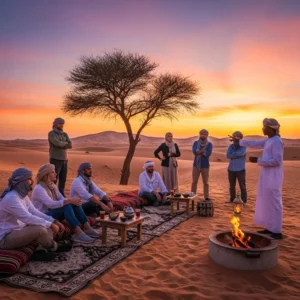


Future of Desert Safari 9 Amazing Innovations Changing Dubai Tourism
The desert has always been timeless.
For centuries, it was the same.
Sand, wind, and silence.
But the Future of Desert Safari is changing everything.
Tourism is evolving rapidly.
Technology is entering the dunes.
Sustainability is becoming the new gold.
Travelers want more than just a ride.
They want an experience.
They want immersion without destruction.
They want luxury with a conscience.
The traditional safari is getting a makeover.
We are moving from gas-guzzling 4x4s to electric beasts.
We are moving from plastic tents to smart pods.
This is not science fiction.
It is happening right now in Dubai.
The Future of Desert Safari is bright.
It is green.
It is connected.
In this massive guide, we will explore this revolution.
We will look at the gadgets.
We will look at the eco-initiatives.
We will look at the new way to travel.
Get ready to see the sand in a new light.
The Shift to Sustainable Engines
The biggest change in the Future of Desert Safari is the vehicle.
For decades, the V8 engine ruled.
The Land Cruiser was king.
It was loud and powerful.
But it was also polluting.
The carbon footprint was huge.
Now, things are shifting.
Electric vehicles (EVs) are coming.
Electric motors offer instant torque.
This is perfect for sand driving.
You do not need to rev the engine.
The power is there instantly.
This makes dune bashing smoother.
It makes it quieter.
Imagine a Future of Desert Safari without engine noise.
You hear only the sand shifting.
You hear the wind.
It is a pure experience.
Companies are testing electric trucks.
Brands like Rivian and Tesla are being watched.
Charging stations are being built in the desert.
Solar-powered charging hubs are the dream.
This reduces emissions to zero.
It protects the fragile desert air.
https://royaldesertadventures.ae/ is closely monitoring these trends.
They are preparing for the green switch.
It is inevitable.
Smart Camps and Eco-Architecture
The camp of yesterday was basic.
It was carpets and cushions.
The camp of the Future of Desert Safari is smart.
It uses IoT (Internet of Things).
Sensors monitor water usage.
Sensors control lighting.
If no one is in the tent, the lights go off.
This saves energy.
Solar power is becoming standard.
Generators are disappearing.
They are noisy and dirty.
Solar panels are silent and clean.
Architecture is changing too.
We are seeing “Invisible Cabins.”
These are mirrored structures.
They reflect the desert.
They disappear into the landscape.
It is stunning to look at.
It is high-end design.
The Future of Desert Safari is stylish.
It respects the aesthetic of the dunes.
Waste management is high-tech.
biodigesters turn food waste into energy.
Water recycling systems are advanced.
Every drop is reused.
This is critical in an arid environment.
Virtual Reality and Augmented Reality
How do you sell a trip?
In the past, you used a brochure.
In the Future of Desert Safari, you use VR.
Virtual Reality allows you to try before you buy.
You put on a headset.
You are suddenly on a dune.
You feel the height.
You see the sunset.
This immersive marketing is powerful.
It helps tourists choose the right package.
Augmented Reality (AR) is for the tour itself.
Imagine wearing smart glasses.
You look at a plant.
The glasses tell you its name.
They tell you its medicinal uses.
You look at a star.
The glasses draw the constellation.
This makes the Future of Desert Safari educational.
It adds a layer of data to the real world.
It turns the guide into a super-guide.
Language barriers disappear.
The glasses translate everything instantly.
It is a seamless experience.
Operators like https://dubaidesertsafarie.com/ are exploring these tech tools.
They want to enhance the guest journey.
Artificial Intelligence in Personalization
AI is changing how we book.
It analyzes your preferences.
Do you like adventure?
Do you like food?
Do you have kids?
The AI suggests the perfect itinerary.
The Future of Desert Safari is personalized.
No two trips are the same.
Dynamic pricing is also coming.
Prices change based on demand and weather.
AI predicts the best day to go.
It predicts sandstorms.
It ensures safety and comfort.
Chatbots handle customer service.
They answer questions instantly.
“What do I wear?”
“Is food halal?”
The bot knows.
This frees up humans for complex tasks.
It makes booking faster.
It reduces errors.
https://hafiztourism.com/ uses advanced booking systems.
They ensure you get exactly what you want.
The Future of Desert Safari is efficient.
The Rise of Glamping and Pods
Luxury is being redefined.
It is not just a 5-star hotel.
It is experiential luxury.
Glamping (Glamorous Camping) is huge.
But the Future of Desert Safari takes it further.
We are talking about autonomous pods.
These pods can move.
They can be relocated to fresh dunes.
They are fully self-contained.
They have AC, wifi, and luxury beds.
Some have glass ceilings.
You sleep under the stars.
You do not need to pitch a tent.
You press a button, and the pod opens.
It is like living on Mars.
Space tourism is influencing desert tourism.
The landscapes are similar.
Mars simulation camps are being built.
You can pretend to be an astronaut.
You wear a suit.
You drive a rover.
It is a new niche in the Future of Desert Safari.
It appeals to the tech generation.
It appeals to dreamers.
Conservation through Technology
Tourism can hurt nature.
But technology can save it.
The Future of Desert Safari is protective.
Drones monitor the wildlife.
They count the Oryx herds.
They spot illegal dumping.
They patrol the fences.
This keeps the reserve safe.
GPS tracking prevents off-roading.
Drivers must stay on the track.
If they deviate, the car alerts them.
The control center sees it.
This protects the plant roots.
It prevents soil erosion.
We use satellite imagery to check vegetation.
If an area is stressed, we close it.
We let it recover.
This data-driven management is vital.
It ensures the Future of Desert Safari is sustainable.
We want the desert to last forever.
https://royaldesertadventures.ae/ supports conservation.
They follow strict environmental rules.
They use technology to be better stewards.
The Evolution of Desert Food
Food is a big part of the culture.
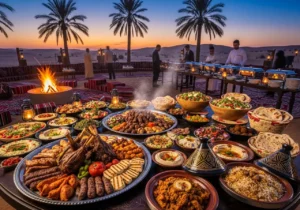
The BBQ buffet is classic.
But the Future of Desert Safari is gourmet.
We are seeing pop-up fine dining.
Celebrity chefs cooking in the sand.
Solar-powered kitchens.
Vertical farming units in the camp.
Fresh herbs grown on-site.
It is farm-to-table.
Or sand-to-table.
Guests want healthy options.
They want vegan options.
They want gluten-free.
The menus are adapting.
3D printed food might even appear.
Imagine a 3D printed chocolate camel.
It is fun and futuristic.
The dining setting is also changing.
Drone waiters delivering drinks.
Tables that light up.
It is theatrical.
The Future of Desert Safari engages all senses.
It elevates the humble BBQ to an event.
Drone Shows vs Fireworks
Fireworks are beautiful.
But they cause pollution.
They leave debris.
They scare animals.
The Future of Desert Safari uses drones.
Drone light shows are spectacular.
Hundreds of drones fly in formation.
They create shapes in the sky.
A falcon.
A camel.
The UAE flag.
It is silent.
It is reusable.
It leaves no trace.
This is the eco-friendly alternative.
It is also safer.
No fire risk.
Tourists love it.
It looks like magic.
It is perfectly synchronized with music.
This entertainment is the new standard.
It fits the high-tech image of Dubai.
Operators listed on https://dubaidesertsafarie.com/ are adopting this.
They want to wow their guests responsibly.
Wellness and Mindfulness Retreats
The world is stressed.
People need healing.
The Future of Desert Safari includes wellness.
Yoga on the dunes.
Meditation at sunrise.
Sound healing with gongs.
The silence of the desert is therapeutic.
We are seeing “Digital Detox” packages.
You hand over your phone.
You disconnect to reconnect.
Smart wearables track your stress levels.
They show you how much you relaxed.
“Your heart rate dropped 20%.”
This bio-feedback validates the experience.
It proves the desert works.
Wellness tourism is growing fast.
The desert is the perfect spa.
Sand therapy is a thing.
Burying yourself in warm sand.
It helps with joint pain.
The Future of Desert Safari is holistic.
It treats the body and the mind.
Safety Innovations
Safety is non-negotiable.
The Future of Desert Safari is the safest ever.
Vehicles have roll-over protection.
But now they have AI collision avoidance.
They scan the dune ahead.
If the drop is too steep, they warn the driver.
Passengers wear smart wristbands.
If you get lost, we find you instantly.
If you have a health issue, we know.
Heart rate monitors alert the guide.
Telemedicine is available.
A doctor can be video-called instantly.
Drones can deliver first aid kits.
If a car is stuck, a drone spots it.
Recovery is faster.
Communication is satellite-based.
No more “no signal” dead zones.
This gives peace of mind.
Especially for families.
https://hafiztourism.com/ prioritizes these safety tech.
They invest in the best gear.
They want you to return safe.
The Role of Robotics
Will robots replace drivers?
Not yet.
But they will help.
Robotic camels exist.
They are used for racing.
Maybe tourists will ride them in the Future of Desert Safari.
Robots clean the camps.
They sift the sand for trash.
They clean the solar panels.
They are the silent workers.
Service robots can check you in.
They scan your ticket.
They show you to your tent.
They speak 50 languages.
It is convenient.
But the human touch remains important.
Bedouin hospitality is human.
A robot cannot pour coffee with soul.
So, the Future of Desert Safari is a hybrid.
High-tech efficiency.
High-touch hospitality.
Robots handle the dull tasks.
Humans handle the connection.
Hyperloop and Transport
Getting to the desert takes time.
Traffic in Dubai is heavy.
The Future of Desert Safari might use Hyperloop.
Or flying taxis (eVTOLs).
You fly from the marina to the desert.
It takes 10 minutes.
Instead of 1 hour driving.
This gives you more time on the dunes.
It is a premium service.
But it will become affordable.
Autonomous buses will shuttle groups.
You relax while the bus drives.
You watch a briefing video.
You arrive fresh.
Transport infrastructure is evolving.
The desert is getting closer.
Access is becoming easier.
This opens up new areas.
Deeper desert can be reached.
The Future of Desert Safari expands the map.
Educational Tourism
Tourists are smarter.
They want to learn.
The Future of Desert Safari is a classroom.
We learn about geology.
We learn about astronomy.
We learn about climate change.
Guides are becoming educators.
They are certified naturalists.
They use tablets to show diagrams.
“This is how the dune formed.”
“This is the aquifer underground.”
It is interactive learning.
Children love this.
It is better than a textbook.
Citizen science programs are starting.
Tourists help collect data.
“Count the beetles you see.”
“Take a photo of this plant.”
You contribute to science.
It gives purpose to the trip.
You are not just a spectator.
You are a participant.
The Future of Desert Safari is meaningful.
Personalization of Adventure
Not everyone wants to bash.
Some want to sandboard.
Some want to bike.
The Future of Desert Safari offers choices.
Electric fat-bikes are popular.
You can cycle over the dunes.
Electric sandboards are coming.
You can surf up the dune.
Paramotoring is growing.
Flying over the desert.
The adventure menu is expanding.
You build your own package.
“I want 1 hour of biking and 2 hours of spa.”
The operator makes it happen.
Flexibility is key.
The “one size fits all” tour is dead.
The Future of Desert Safari is bespoke.
It caters to the individual.
https://royaldesertadventures.ae/ excels at this customization.
They listen to your dreams.
They make them reality.
The Economic Impact
This innovation costs money.
But it brings money.
The Future of Desert Safari drives the economy.
It creates tech jobs.
It creates engineering jobs.
It supports local startups.
It attracts high-value tourists.
Dubai becomes a leader in eco-tourism.
It sets the global standard.
Other countries will copy Dubai.
The investment in the Future of Desert Safari pays off.
It diversifies the economy.
It is not just oil.
It is sustainable service.
The government supports this.
They give grants for green tech.
They encourage innovation.
It is a strategic vision.
Challenges Ahead
It is not all easy.
Batteries do not like heat.
Sand destroys electronics.
The Future of Desert Safari faces engineering challenges.
We need robust tech.
Military-grade tech.
Cost is a factor.
Electric trucks are expensive.
Solar camps are expensive.
Ticket prices might rise.
But tourists are willing to pay for quality.
They are willing to pay for green.
Maintaining the “wild” feel is hard.
Too much tech can ruin nature.
We do not want the desert to feel like a city.
Finding the balance is the challenge.
We must hide the tech.
Keep the view pristine.
The Future of Desert Safari must be subtle.
Conclusion: A Brave New World
The desert is changing.
But the spirit remains.
The Future of Desert Safari is a blend.
It blends the ancient and the modern.
It keeps the soul of the Bedouin.
It adds the brain of the engineer.
It is a better experience.
It is cleaner.
It is safer.
It is more fun.
You are witnessing the evolution of travel.
Dubai is the laboratory.
The results are amazing.
Don’t be afraid of the change.
Embrace it.
Ride the electric dune buggy.
Sleep in the smart pod.
Watch the drone show.
It is still the desert.
But it is the desert 2.0.
Book your trip into the future.
Trust the innovators.
Use https://royaldesertadventures.ae/ for the latest experiences.
Check https://dubaidesertsafarie.com/ for tech-forward tours.
Consult https://hafiztourism.com/ for safe adventures.
The Future of Desert Safari is waiting for you.
Step into the new era.
Comparison: Traditional vs Future Safari
| Feature | Traditional Safari | Future of Desert Safari |
| Vehicle | V8 Petrol Land Cruiser | Electric SUV / Truck |
| Camp Power | Diesel Generator | Solar Panels & Batteries |
| Booking | Manual / Phone | AI-Powered App |
| Lighting | Floodlights | Smart LED & Drones |
| Food | Standard Buffet | Gourmet / 3D Printed |
| Guide | Human only | Human + AR Glasses |
| Waste | Landfill | Recycled / Biodigester |
| Safety | Basic First Aid | Telemedicine & Drones |
| Noise | Loud Engines | Silent Motors |
20 FAQs About The Future of Desert Safari
1. Will the Future of Desert Safari be completely electric?
Yes, the long-term goal for the Future of Desert Safari is to be 100% electric. The Dubai government has strict sustainability goals for 2030 and 2050. Tour operators are gradually replacing their petrol fleets with electric SUVs and trucks. This reduces carbon emissions and noise pollution, making the desert more peaceful and environmentally friendly.
2. Are electric vehicles powerful enough for dune bashing?
Absolutely. Electric vehicles produce instant torque, which means power is available the moment you touch the pedal. This is actually better for sand driving than internal combustion engines, which need to rev up. The Future of Desert Safari will feature vehicles that are faster and more capable on steep dunes than current cars.
3. What is a “Smart Camp”?
A Smart Camp is a campsite integrated with technology to improve efficiency and comfort. In the Future of Desert Safari, these camps use sensors to manage lighting and cooling, ensuring energy is not wasted. They use solar power for electricity and advanced filtration systems to recycle water. They might also use apps for guests to order food or request services.
4. Will robots replace human guides?
No, robots will not replace human guides entirely. The essence of a safari is hospitality and storytelling, which requires a human touch. However, in the Future of Desert Safari, robots might assist with tasks like check-in, carrying luggage, or cleaning the camp. The human guide will remain to share culture and ensure safety.
5. How does Virtual Reality help in safaris?
Virtual Reality (VR) is primarily used for marketing and education. Potential tourists can use VR headsets to “visit” the desert before booking, helping them choose the right package. During the Future of Desert Safari, VR might be used in the camp to show historical scenes, like how Bedouins lived 100 years ago, overlaying history onto the present.
6. Is space tourism related to desert safaris?
Yes, there is a connection. The desert landscape resembles Mars. As space tourism grows, the Future of Desert Safari includes “Mars Simulation” experiences. Tourists can stay in pods that look like space stations, wear mock space suits, and drive rover-like vehicles. It attracts science fiction fans and those interested in space exploration.
7. Are drones used in safaris now?
Drones are already being used for photography and videography. In the Future of Desert Safari, their role will expand. They will be used for safety patrols, spotting lost vehicles, delivering emergency medical kits, and performing light shows at night as a sustainable alternative to fireworks.
8. What are “Invisible Cabins”?
Invisible cabins are a trend in eco-architecture. They are small, luxury cabins covered in mirrored glass. They reflect the surrounding dunes, making the structure appear to vanish. This preserves the visual beauty of the landscape. The Future of Desert Safari will see more of these low-impact, high-design accommodations.
9. How will AI change the booking process?
AI will make booking a Future of Desert Safari seamless. AI algorithms will analyze your preferences (adventure level, food choices, budget) and build a custom itinerary for you. It can also predict weather patterns to suggest the best days for a safari, avoiding sandstorms or extreme heat.
10. Is the Future of Desert Safari more expensive?
Initially, yes. The investment in new technology like electric trucks and solar camps is high. However, as the technology becomes widespread, costs will drop. Also, the operational cost of electric vehicles (no fuel, less maintenance) is lower, which might eventually make the Future of Desert Safari cheaper or competitively priced.
11. Can I still ride a camel in the future?
Yes, the camel is an integral part of desert heritage. The Future of Desert Safari respects tradition. While you might arrive in an electric car, the camel ride remains a core cultural activity. However, we might see robotic camels for racing or entertainment, keeping the real animals for gentle interactions.
12. What is “Glamping” and how is it changing?
Glamping means Glamorous Camping. It is evolving into high-tech luxury. The Future of Desert Safari glamping involves autonomous pods, climate-controlled domes, and smart furniture. It offers the comfort of a 5-star hotel room right in the middle of the dunes, often with glass roofs for stargazing.
13. How does technology help conservation?
Technology is the guardian of the desert. In the Future of Desert Safari, sensors and drones monitor the ecosystem. They track the health of plants and animals. They detect illegal dumping or off-roading. This data helps authorities manage the reserve and ensure that tourism does not destroy the nature people come to see.
14. What are electric sandboards?
Electric sandboards are a new invention. They have a small motor and a track or wheel that propels them. This allows you to surf up the dune as well as down. It adds a new dimension to the sport. The Future of Desert Safari will offer these gadgets for thrill-seekers who want more control.
15. Will there be Wi-Fi in the desert?
Yes, connectivity is improving. Satellite internet (like Starlink) and 5G towers are expanding coverage. In the Future of Desert Safari, you will likely have high-speed internet even in deep dunes. However, many camps will still offer “Digital Detox” zones for those who want to disconnect.
16. How safe is the new technology?
Very safe. Autonomous driving aids, collision avoidance systems, and GPS tracking make the Future of Desert Safari safer than ever. The risk of human error is reduced. Telemedicine allows for instant medical advice in case of injury, bridging the gap between the remote desert and city hospitals.
17. What is sustainable food in the desert?
Sustainable food means locally sourced and responsibly produced. The Future of Desert Safari might feature vertical farms at the camp growing fresh greens. It focuses on reducing food waste through composting and biodigesters. It also offers more plant-based options to lower the carbon footprint of the menu.
18. Can I use Bitcoin to pay for my safari?
Cryptocurrency adoption is growing in Dubai. In the Future of Desert Safari, many operators will likely accept Bitcoin and other digital currencies. Smart contracts on the blockchain could handle bookings and insurance, making the transaction transparent and secure.
19. How do I find these futuristic tours?
You can look for operators who advertise “Eco-Safari” or “Smart Safari.” Websites like https://royaldesertadventures.ae/ are at the forefront of these innovations. Check their specific package details for mentions of electric vehicles, solar camps, or glamping pods to experience the Future of Desert Safari.
20. Will the desert look different?
Ideally, no. The goal of the Future of Desert Safari technology is to be less invasive. “Invisible” architecture, silent vehicles, and zero-waste policies are designed to keep the desert looking pristine and wild. The technology works in the background to preserve the ancient look of the landscape.