
Dubai Culture Safari: Connecting with the Ancient Soul of the Arabian Sands
Dubai Culture Safari is the ultimate bridge between the glittering skyscrapers of the city and the timeless wisdom of the desert. In 2026, travelers are looking for more than just thrills; they want meaning, and this journey provides it.
Choosing a Dubai Culture Safari means you are stepping into a world where hospitality is a sacred duty. From the moment you enter the dunes, you are treated not just as a tourist, but as a guest of the desert.
The beauty of a Dubai Culture Safari lies in its quiet moments. While other tours focus on the roar of engines, this experience highlights the whisper of the wind and the stories of the Bedouin people who thrived here.
Many visitors ask why a Dubai Culture Safari is trending so heavily this year. The answer is simple: in a digital world, we crave the tactile, authentic smell of frankincense and the warmth of a traditional campfire.
The Sacred Ritual of Arabian Hospitality
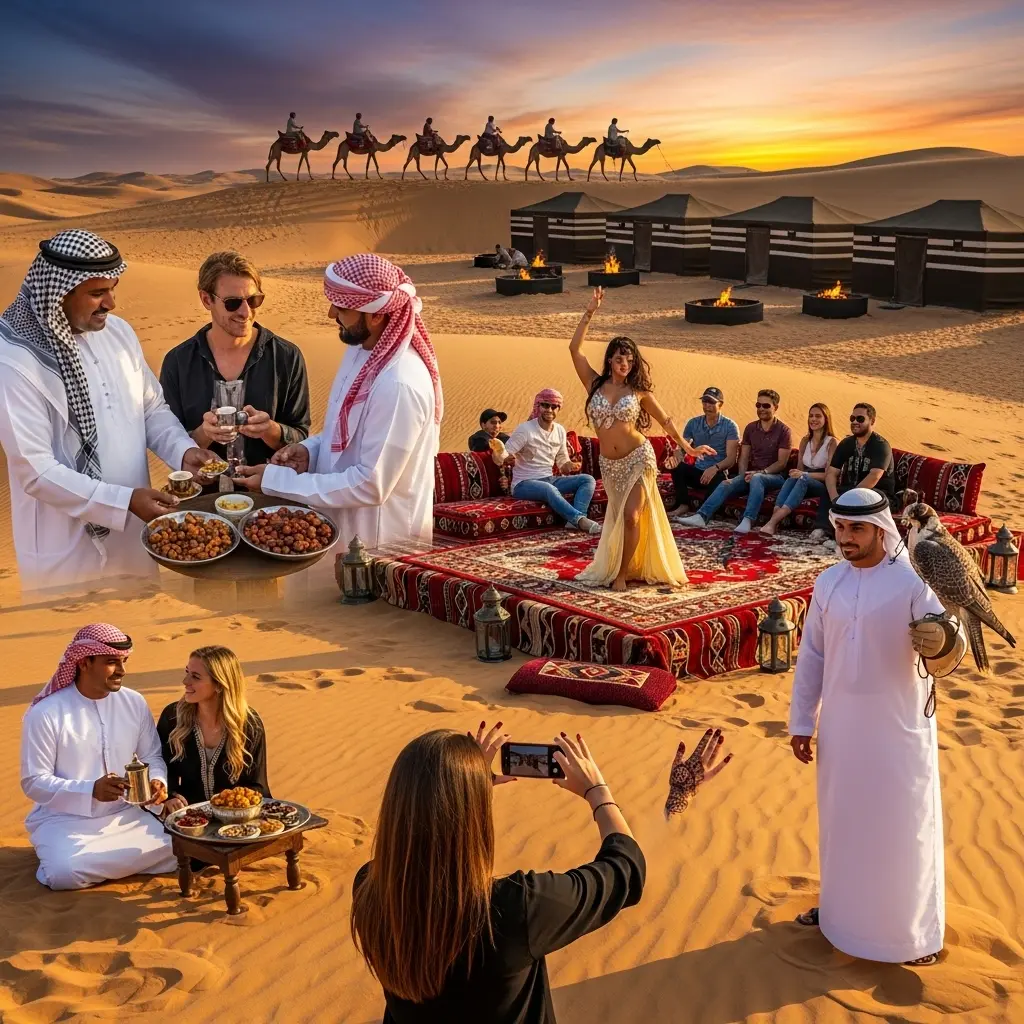
One of the first things you encounter on a Dubai Culture Safari is the Gahwa, or traditional Arabic coffee. This is not just a drink; it is a symbol of welcome that has existed for centuries.
During a Dubai Culture Safari, you learn the specific etiquette of coffee service. The pot, called a Dallah, is held in the left hand, and the small cups, or Finjans, are served with the right.
Reputable operators like https://royaldesertadventures.ae/ ensure that this ritual is performed with historical accuracy. Their commitment to the Dubai Culture Safari ethos makes every sip feel like a lesson in history.
The coffee served during a Dubai Culture Safari is spiced with cardamom and saffron, offering a flavor profile that is distinct to the region. It is a sensory introduction to a complex and beautiful culture.
Henna Art and the Language of Symbols
Women travelers often find the henna session to be a highlight of the Dubai Culture Safari. This ancient form of body art is more than just decoration; it carries deep social and cultural meanings.
On a Dubai Culture Safari, expert artists use natural henna paste to create intricate patterns on the hands and feet. These designs often feature floral motifs or geometric shapes traditional to the Gulf.
The cooling sensation of the paste is a practical benefit in the desert heat, which you will learn about during your Dubai Culture Safari. It is a perfect example of how Bedouin traditions served both form and function.
Check out the galleries at https://htdesertsafari.com/ to see the level of detail provided during a Dubai Culture Safari. It is a wearable souvenir that lasts long after you have left the golden dunes.
Falconry: The Noble Sport of the Desert
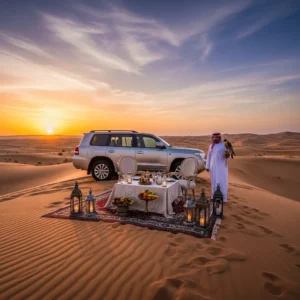
No Dubai Culture Safari is complete without witnessing the majesty of a hunting falcon. These birds were once essential for the survival of Bedouin families in the harsh winter months.
In a Dubai Culture Safari, you get to see these birds in action. The bond between the falconer and the bird is built on trust and years of patient training, a story often shared during the tour.
Modern Dubai Culture Safari packages in 2026 use high-tech drones to help train the falcons, showing the fusion of tradition and innovation. It is a breathtaking display of speed and precision.
Operators like https://dubaidesertsafarie.com/ provide interactive falconry sessions as part of their Dubai Culture Safari. Holding a falcon on your glove is an experience that connects you directly to the noble history of the sands.
Traditional Music and the Dance of the Desert
As evening falls on a Dubai Culture Safari, the camp comes alive with the sounds of the Oud and the rhythmic beating of drums. Music is the heartbeat of Arabian celebrations.
The Tanoura dance is a centerpiece of the Dubai Culture Safari entertainment. The dancer, wearing a heavy, weighted skirt, spins in continuous circles to represent the spiritual connection between earth and sky.
During a Dubai Culture Safari, you might also see the Yowlah dance, which involves the rhythmic spinning of a mock rifle. It is a display of strength and coordination that has its roots in tribal victory celebrations.
Internal links such as https://saharadesertsafaridubai.com/ offer tours that focus specifically on these performance arts. A Dubai Culture Safari ensures you don’t just watch the culture, you feel its pulse.
Bedouin Architecture and Sustainable Living
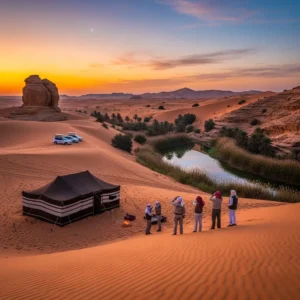
The camps used for a Dubai Culture Safari are designed to mimic the traditional “Bayt al-Sha’ar” or House of Hair. These tents were traditionally woven from goat and camel hair.
On a Dubai Culture Safari, you will learn how these structures were designed to be portable and breathable. They are a masterclass in nomadic engineering that respected the environment.
Understanding the layout of a Dubai Culture Safari camp helps you appreciate the social structure of Bedouin life. There are specific areas for men, women, and the preparation of food.
This architectural knowledge adds a layer of depth to your Dubai Culture Safari. It shows that the desert was not a void to be feared, but a home to be managed with intelligence and grace.
Comparing Cultural Safari Elements
| Activity | Standard Tour | Dubai Culture Safari |
| Coffee Service | Self-serve machine | Hand-poured Dallah ritual |
| Falconry | Distant viewing | Interactive/Educational |
| Music | Pre-recorded tracks | Live Oud and percussion |
| Handicrafts | Plastic souvenirs | Authentic Henna and weaving |
| Education | Basic facts | Deep storytelling sessions |
| Attire | None provided | Traditional Kandura/Abaya trial |
The Culinary Heritage of the Emirates
The food served during a Dubai Culture Safari is a journey in itself. It features dishes that have sustained desert travelers for generations, such as Harees and Machboos.
A Dubai Culture Safari dinner is often cooked in a “Zarb,” an underground oven that uses the natural heat of the earth. This method ensures the meat is incredibly tender and infused with a smoky flavor.
Eating during a Dubai Culture Safari is a communal experience. The act of sharing a large platter of food reinforces the Bedouin values of community and brotherhood.
Many Dubai Culture Safari providers, including https://royaldesertadventures.ae/, now offer cooking demonstrations. You can learn how to bake “Regag” bread over an open flame, adding a practical skill to your cultural knowledge.
Stargazing and Celestial Navigation
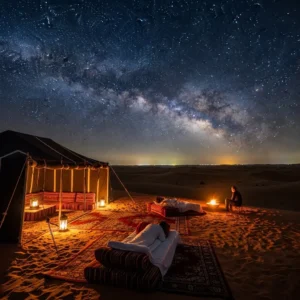
In the past, Bedouins didn’t have GPS; they had the stars. A Dubai Culture Safari often includes a session where you learn how ancient travelers navigated by the constellations.
The clear desert sky during a Dubai Culture Safari is a perfect canvas. Your guide will point out the North Star and explain its significance to the caravans of the past.
This part of the Dubai Culture Safari is deeply humbling. It reminds you of the vastness of the universe and the ingenuity of the people who mastered these sands using nothing but the light above.
For a tech-enhanced view, some Dubai Culture Safari packages at https://htdesertsafari.com/ include high-powered telescopes. It is a bridge between ancient wisdom and modern astronomical science.
The Role of the Camel in Arabian Life
Known as the “Ship of the Desert,” the camel is central to any Dubai Culture Safari. These resilient animals were the primary mode of transport and a source of milk, wool, and meat.
During a Dubai Culture Safari, you learn about the different types of camels and their specific roles in desert life. You also discover why their milk is considered a “superfood” in 2026.
Riding a camel during a Dubai Culture Safari is a lesson in patience. The slow, rhythmic pace allows you to see the dunes from a higher vantage point, just as the nomads did for centuries.
Reputable Dubai Culture Safari operators ensure the highest standards of animal welfare. This respect for the camel is a vital part of the cultural message shared during the tour.
Traditional Dress: More Than Just Fabric
Many Dubai Culture Safari tours offer guests the chance to try on the Kandura for men and the Abaya for women. These garments are perfectly adapted to the desert environment.
On a Dubai Culture Safari, you will learn how the white color of the Kandura reflects heat, while the loose fit allows for air circulation. It is a functional design that has stood the test of time.
Wearing these clothes during a Dubai Culture Safari provides a new perspective. It changes the way you move and feel in the desert, helping you immerse yourself fully in the experience.
Companies like https://dubaidesertsafarie.com/ often provide professional photography sessions in traditional dress. It is a way to capture the spirit of your Dubai Culture Safari in a respectful and beautiful way.
The Importance of Oral Traditions and Poetry
The desert has always been a place of stories. On a Dubai Culture Safari, you will often hear “Nabati” poetry, which is the traditional folk poetry of the Arabian Peninsula.
These poems, shared during a Dubai Culture Safari, talk about courage, love, and the beauty of the desert. They were the primary way that history and values were passed down through generations.
Even if you don’t speak Arabic, the rhythm of the poetry during a Dubai Culture Safari is captivating. It adds a layer of intellectual depth to the physical journey through the sands.
This focus on the spoken word is what sets the Dubai Culture Safari apart from generic tours. it honors the intellectual heritage of the people who called these dunes home.
Why Sustainability is the New Tradition
In 2026, the Dubai Culture Safari has embraced eco-friendly practices as a way of honoring the land. This includes using solar power in camps and minimizing water waste.
A true Dubai Culture Safari follows the Bedouin philosophy of “taking only what you need.” This sustainable mindset ensures that the desert remains healthy for future generations.
By choosing a Dubai Culture Safari, you are supporting tourism that values the environment. It is a responsible way to explore the beauty of the UAE without leaving a negative footprint.
Visit https://saharadesertsafaridubai.com/ to learn more about their green initiatives within the Dubai Culture Safari framework. It is a modern interpretation of ancient respect for nature.
The Spiritual Significance of the Dunes
There is a sense of peace found on a Dubai Culture Safari that is hard to find elsewhere. The vastness of the sand encourages reflection and a sense of “Sakinah,” or tranquility.
Many Dubai Culture Safari guides will take a moment to explain the spiritual connection that desert dwellers feel toward the land. The desert is seen as a place of purification and clarity.
This spiritual aspect is often what stays with guests the longest. A Dubai Culture Safari is not just an outer journey into the dunes, but an inner journey toward peace and perspective.
In 2026, this “slow travel” approach is the hallmark of the Dubai Culture Safari. It is an antidote to the rush of modern life, offering a moment of true, unhurried presence in the wild.
The Future of Cultural Tourism in the UAE
As Dubai continues to innovate, the Dubai Culture Safari will integrate more immersive technologies like augmented reality to show the history of the tribes in real-time.
However, the core of the Dubai Culture Safari will always remain the human connection. No technology can replace the warmth of a handshake or the taste of fresh dates under the stars.
The commitment to preserving heritage while embracing the future is what makes the Dubai Culture Safari so successful. It is a living, breathing celebration of Arabian identity.
For travelers in 2026, the Dubai Culture Safari is the definitive way to understand the heart of the Emirates. It is an invitation to look beyond the gold and glass and see the soul of the sand.
Preparing for Your Cultural Journey
To get the most out of your Dubai Culture Safari, come with an open mind and a list of questions. The guides love to share their knowledge with curious travelers.
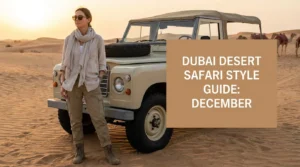
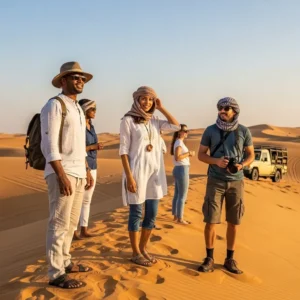
Dress modestly to show respect for the local traditions you will encounter on your Dubai Culture Safari. This usually means covering your shoulders and knees, especially when visiting the camps.
Don’t forget to bring a camera, but also remember to put it down occasionally. The best moments of a Dubai Culture Safari are often the ones that are felt rather than filmed.
Check the schedules at https://royaldesertadventures.ae/ to find a tour that aligns with your interests. Whether it’s history, food, or art, there is a Dubai Culture Safari designed just for you.
Conclusion: A Legacy in the Sand
The Dubai Culture Safari is more than a holiday activity; it is a tribute to human resilience and creativity. It shows how life can flourish in even the most challenging environments.
By participating in a Dubai Culture Safari, you become part of the ongoing story of the desert. You help keep these traditions alive and ensure that the Bedouin spirit continues to inspire.
In 2026, make sure your visit to the UAE includes a Dubai Culture Safari. It is the one experience that will truly change the way you see the world and your place within it.
The dunes are waiting, the coffee is brewing, and the stories are ready to be told. Step into the world of the Dubai Culture Safari and discover the timeless magic of Arabia.
Frequently Asked Questions
1. Is a Dubai Culture Safari suitable for children?
Yes, a Dubai Culture Safari is a fantastic educational experience for children. They can learn about animals, try on traditional clothes, and see how people lived before electricity. Most Dubai Culture Safari activities are gentle and interactive, making them perfect for families who want to combine fun with learning. It’s a great way to introduce kids to global cultures in an engaging, hands-on environment.
2. What should I wear on a Dubai Culture Safari?
For a Dubai Culture Safari, we recommend modest and comfortable clothing. Loose trousers and a breathable shirt are ideal. It is respectful to keep your shoulders and knees covered. Since the desert can get cool at night, bringing a light sweater or pashmina is a good idea. In a Dubai Culture Safari, you will often have the chance to try on traditional Emirati attire over your own clothes for photos!
3. How long does the cultural portion of the safari last?
The cultural activities in a Dubai Culture Safari usually take place after sunset at the desert camp. This session lasts about 3 to 4 hours and includes dinner, music, henna, and various demonstrations. However, a high-quality Dubai Culture Safari will have cultural elements throughout the whole trip, such as your guide sharing history during the drive into the dunes.
4. Can I participate if I don’t speak Arabic?
Absolutely. Most Dubai Culture Safari guides are fluent in English and often several other languages. They are trained to translate the cultural concepts, poetry, and history into terms that everyone can understand. The Dubai Culture Safari is designed to be an accessible bridge between cultures, so language will never be a barrier to your enjoyment or learning.
5. Is the food at a Dubai Culture Safari spicy?
Emirati cuisine served on a Dubai Culture Safari is flavorful and aromatic, using spices like cardamom, saffron, and turmeric, but it is generally not “hot” like some Indian or Thai dishes. There is usually a wide variety of food at a Dubai Culture Safari dinner, including grilled meats, fresh salads, and rice, so there is something to suit every palate, even for those who prefer mild flavors.
6. Are the henna tattoos on a Dubai Culture Safari permanent?
No, the henna used during a Dubai Culture Safari is a natural plant-based dye that is temporary. It usually lasts between one and two weeks, depending on your skin type and how often you wash the area. It is a beautiful, non-permanent way to carry a piece of your Dubai Culture Safari experience with you as you continue your travels.
7. Do I have to ride a camel during a Dubai Culture Safari?
Camel riding is a popular part of the Dubai Culture Safari, but it is entirely optional. If you prefer not to ride, you can still interact with the camels, feed them, and take photos. A Dubai Culture Safari is about your comfort and interest levels, so you can choose which activities you want to participate in and which you’d rather just observe.
8. What is the best time of year for a Dubai Culture Safari?
The best time for a Dubai Culture Safari is during the winter months, from October to April. The cooler temperatures make sitting outdoors in the camp much more pleasant. However, many Dubai Culture Safari operators have air-conditioned tents and cooling systems for the summer months, so you can still enjoy the cultural experience even if you visit during the hotter season.
9. Is photography allowed during the Dubai Culture Safari?
Yes, photography is generally welcomed during a Dubai Culture Safari. It’s a great way to document the beautiful patterns of henna or the spinning Tanoura dancer. However, your Dubai Culture Safari guide will advise you on specific etiquette, such as asking for permission before photographing local people, which is a standard sign of respect in the UAE.
10. How do I book an authentic Dubai Culture Safari?
To ensure an authentic experience, look for operators that specialize in heritage and culture rather than just dune bashing. Websites like https://saharadesertsafaridubai.com/ are great places to start. Read the descriptions carefully to see if they include things like traditional coffee rituals, live music, and educational storytelling, which are the hallmarks of a true Dubai Culture Safari.
11. Is there a religious aspect to the Dubai Culture Safari?
While a Dubai Culture Safari is a secular tourist experience, it does touch on the Islamic values that shape Emirati culture, such as hospitality and respect for nature. You might hear the call to prayer in the distance or learn about the significance of the stars in Islamic navigation. A Dubai Culture Safari provides a respectful overview of how faith and desert life have intertwined for centuries.
12. Can I request a private Dubai Culture Safari?
Yes, many companies offer private Dubai Culture Safari tours. This is a great option if you want a more intimate setting for your group or family. A private Dubai Culture Safari allows you to spend more time asking questions and tailoring the experience to your specific cultural interests, making the journey even more personal and memorable.
13. Are the live performances on a Dubai Culture Safari every night?
Most established Dubai Culture Safari camps have live performances every evening. However, during certain religious holidays like Ramadan, the live music and dance performances may be paused out of respect. If you are visiting during a holiday, check with your Dubai Culture Safari operator to see how the itinerary might be adjusted to honor the local customs.
14. What is the “Tanoura” dance seen on a Dubai Culture Safari?
The Tanoura dance is a traditional Sufi-style folk dance. The dancer wears a multi-colored, heavy skirt and spins continuously to represent the solar system and spiritual oneness. In a Dubai Culture Safari, the dance is often modernized with LED lights in the skirt, creating a stunning visual display that merges ancient spiritualism with contemporary entertainment.
15. Is there alcohol served on a Dubai Culture Safari?
Because the Dubai Culture Safari is focused on traditional Emirati and Bedouin culture, many authentic operators do not serve alcohol. This maintains the traditional atmosphere of the desert camp. However, some larger commercial tours might have a separate bar area. If a dry, traditional environment is important to you, check with your Dubai Culture Safari provider beforehand.
16. What kind of coffee is served on a Dubai Culture Safari?
The coffee, known as “Gahwa,” is a light roast made with Arabica beans and flavored with cardamom and saffron. It is served in small, handle-less cups. On a Dubai Culture Safari, the coffee is usually served with fresh dates, which provide a sweet contrast to the slightly bitter, spicy flavor of the Gahwa. It is a must-try for any coffee lover!
17. Do I need to be physically fit for a Dubai Culture Safari?
No, a Dubai Culture Safari is generally a low-impact activity. Most of the time is spent in a vehicle or sitting in a comfortable desert camp. While there is some walking on sand, it is usually minimal. This makes the Dubai Culture Safari accessible for seniors and people with minor mobility issues, provided they can comfortably get in and out of an SUV.
18. Are there toilets at the Dubai Culture Safari camp?
Yes, all reputable Dubai Culture Safari camps are equipped with clean and modern restroom facilities. These are usually located a short walk from the main seating area. Even in the middle of the desert, a Dubai Culture Safari ensures that your basic comforts and hygiene needs are well taken care of to a high standard.
19. What is the difference between a Heritage Safari and a Dubai Culture Safari?
The terms are often used interchangeably, but a Dubai Culture Safari typically places a heavier emphasis on the living traditions, arts, and social customs of the modern Emirati people alongside historical Bedouin facts. Both tours offer a deep look into the past, but a Dubai Culture Safari often feels more like a conversation with the contemporary culture of the UAE.
20. Will I get to see any traditional crafts being made on a Dubai Culture Safari?
Many Dubai Culture Safari experiences include demonstrations of traditional crafts like “Talli” (embroidery) or “Sadu” (weaving). You can watch the artisans at work and learn about the patience and skill required to create these items. It’s a wonderful part of the Dubai Culture Safari that highlights the artistic heritage of the desert tribes.