
Dubai Safari Impact: Balancing High Adrenaline with Desert Conservation
Dubai Safari Impact is a topic of immense significance as the United Arab Emirates continues to lead the global tourism sector in 2026. While the thrill of dune bashing and the charm of Bedouin-style camps draw millions of visitors annually, the physical footprint on the delicate desert ecosystem is a serious consideration. The desert is not merely a playground of sand; it is a complex biological environment that requires meticulous management and respect.
In recent years, the UAE government and top-tier tour operators have pivoted toward “Green Tourism.” This transition ensures that the magnificent dunes remain pristine for future generations. For a traveler, understanding the ecological nuances of the dunes is just as important as the adventure itself. A sustainable safari is not a compromise on luxury; it is an elevation of responsibility and local heritage.
This extensive report dives into the technical and logistical strategies used to mitigate the environmental footprint of desert expeditions. From the impact on native wildlife to the management of camp waste, we cover every angle. Let us explore the magnificent world of the dunes and discover how your journey can contribute to a healthier Arabian ecosystem.
The Fragile Nature of the Desert Ecosystem
The primary focus of Dubai Safari Impact is the vulnerability of the arid landscape. Many people perceive the desert as a vast, empty void, but it is actually home to a highly specialized variety of flora and fauna. The sand dunes are held together by a “biological crust” composed of fungi, lichens, and cyanobacteria that prevent erosion.
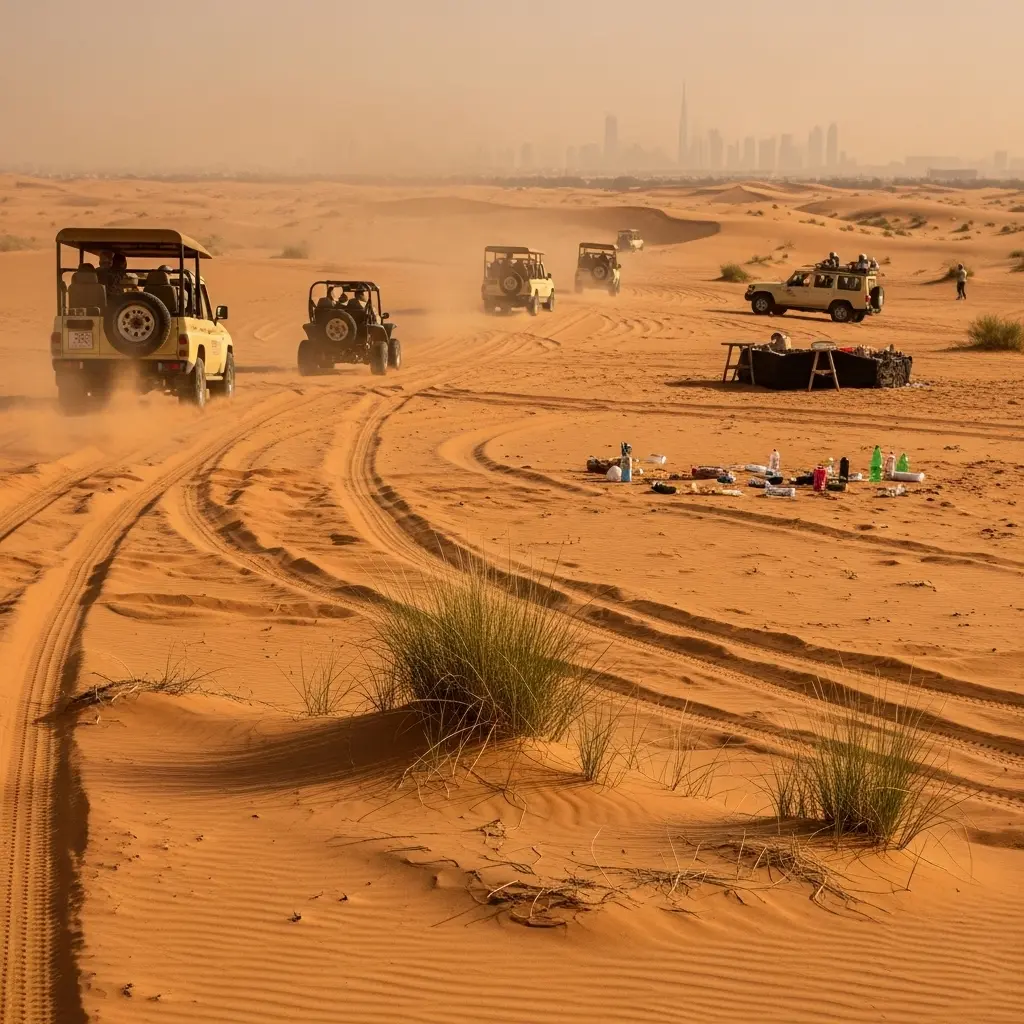
When 4×4 vehicles deviate from established tracks, they break this crust, leading to increased sand mobility and the destruction of seed banks. In 2026, licensed operators are strictly required to follow designated paths. This discipline is the first line of defense in protecting the structural integrity of the dunes.
Furthermore, the sparse vegetation, such as the Ghaf tree, provides critical shade and nesting grounds for birds. These trees have roots that can reach 30 meters deep to find water. Any physical damage to their root systems or the surrounding soil can have a cascading effect on the entire local food chain.
Strategic Logistics of Fleet Emission Management
A significant part of the Dubai Safari Impact comes from vehicle emissions. Moving thousands of heavy SUVs into the desert daily generates a substantial carbon footprint. To address this, the 2026 fleet standards in Dubai have undergone a massive overhaul.
Reputable operators like https://htdesertsafari.com/ are increasingly integrating hybrid and fully electric 4×4 vehicles into their convoys. These modern SUVs provide the necessary torque for dune bashing while significantly reducing noise pollution and tailpipe emissions. This technical shift allows guests to enjoy the thrill without the heavy environmental guilt.
Furthermore, logistical optimization reduces the “orbiting” time of vehicles. By using advanced AI-driven dispatch systems, operators can plan the most fuel-efficient routes for hotel pickups. This precision timing ensures that engines are not idling unnecessarily in city traffic. For a look at the latest eco-friendly fleet specifications, check the resources at https://royaldesertadventures.ae/.
Protecting the Arabian Wildlife and Native Species
Safari Wildlife Protection is a core pillar of managing the Dubai Safari Impact. The desert is the natural habitat of the Arabian Oryx, the Sand Gazelle, and the Desert Fox. These animals are highly sensitive to human noise and movement, especially during their nocturnal active periods.
Luxury safaris often operate within protected zones like the Dubai Desert Conservation Reserve (DDCR). In these areas, visitor numbers are strictly capped to prevent over-crowding. Drivers are trained to maintain a respectful distance from wildlife sightings, ensuring that the animals are not stressed or driven away from their feeding grounds.
Feeding wildlife is strictly prohibited as it disrupts their natural diet and creates a dangerous dependency on humans. By maintaining these boundaries, tourism acts as a source of funding for conservation rather than a threat to it. To research the best wildlife-focused tours that prioritize safety, visit sites like https://dubaidesertsafarie.com/ and https://royaldesertadventures.ae/.
Waste Management Logistics in Desert Camps
The operation of a desert camp generates a significant amount of physical waste, from food scraps to packaging. Managing the Dubai Safari Impact in these camps requires a “Zero Waste” mentality. In 2026, permanent camps are required to have sophisticated recycling and waste-handling protocols.
Top-tier operators utilize industrial-grade composting systems for organic waste, which is later used to nourish desert-tolerant plants near the city. Single-use plastics have been almost entirely eliminated in premium camps, replaced by biodegradable materials or reusable glass and metal containers.
The logistics of “Leave No Trace” are strictly enforced. Every morning, maintenance teams sweep the camp perimeter to ensure no litter has been carried away by the wind. This dedication to hygiene ensures that the camp remains a sanctuary for both guests and local ecology. For more on high-standard camp maintenance, visit https://htdesertsafari.com/.
| Impact Category | Traditional Practice | 2026 Sustainable Practice | Benefit |
| Vehicle Movement | Random Dune Crossing | Fixed Convoy Tracks | Prevents Soil Erosion |
| Power Source | Diesel Generators | Solar Power Systems | Zero Noise/Air Pollution |
| Water Use | Plastic Bottles | Filtered Water Stations | Reduced Plastic Waste |
| Waste Handling | Landfill Disposal | On-site Segregation/Compost | Circular Economy |
The Shift Toward Solar-Powered Desert Camps
Energy consumption is a major technical factor in the Dubai Safari Impact. Historically, camps relied on loud, polluting diesel generators to power their kitchens and lighting. Today, the desert sun that provides the heat also provides the solution.
Most luxury camps have transitioned to hybrid solar systems. Large photovoltaic arrays are installed in discreet locations to capture energy during the day, which is stored in high-capacity batteries for night use. This silent power source enhances the guest experience by removing the mechanical hum of generators, allowing the natural sounds of the desert to dominate.
Solar energy also powers the modern cooling systems used in the summer months. Misting fans and air-cooled majlis areas now run on renewable energy, making the desert adventure as sustainable as it is comfortable. You can check the green credentials of various camps on specialized industry platforms like https://dubaidesertsafarie.com/.
Water Conservation Strategies in Arid Zones
Water is the most precious resource in the UAE, and managing its use is essential for a positive Dubai Safari Impact. Providing unlimited chilled water to hundreds of guests in the heat is a logistical challenge that used to result in thousands of discarded plastic bottles daily.
Modern camps now utilize atmospheric water generators or large-scale filtered water dispensers. Guests are encouraged to use reusable bottles provided by the tour operator. This shift has reduced plastic waste in the Dubai dunes by over 80% since 2024.
Grey-water recycling is also practiced in permanent desert facilities. Water from sinks and showers is treated and used for dust suppression on the tracks or to water indigenous plants like the Sidr tree. This circular water economy is a hallmark of a high-quality, responsible operator. For more on eco-friendly logistics, visit https://royaldesertadventures.ae/.
The Role of Professional Guides in Eco-Education
The human element of your journey is a powerful tool for mitigating the Dubai Safari Impact. A professional guide is not just a driver; they are a cultural and environmental ambassador. In 2026, guides are required to undergo specialized training in desert ecology and conservation.
During the drive, they explain the importance of the Ghaf tree and the habits of the desert beetles. This educational narrative transforms the safari from a simple thrill ride into a meaningful learning experience. When guests understand the complexity of the dunes, they are more likely to behave respectfully.
Guides also enforce safety and environmental rules on the ground. They ensure that guests do not wander into protected nesting areas or disturb the natural sand ripples during photography stops. To see which operators employ the highest-rated eco-guides, you can consult the reports at https://dubaidesertsafarie.com/.
Managing Noise Pollution in the Silent Desert
Noise is an often-overlooked aspect of the Dubai Safari Impact. The desert is a place of profound natural silence, which is a vital part of the sensory experience for guests. Excessive noise from loud music, shouting, or high-revving engines can disrupt the peace for both humans and nocturnal wildlife.
Premium operators enforce “Quiet Zones” and set limits on the volume of their evening entertainment. The transition from the high-energy fire show to the quiet stargazing session is managed with care. This allows the desert night to reclaim its tranquility, providing a meditative atmosphere for the guests.
The move toward electric 4x4s also plays a role in reducing noise. An electric SUV moves across the sand with a quiet whir rather than a roar, allowing for a more immersive connection with the landscape. To find tours that prioritize peace and quiet, check the listings at https://htdesertsafari.com/.
The Importance of Sustainable Food Sourcing
The BBQ buffet is a highlight of the night, but its Dubai Safari Impact starts in the supply chain. In 2026, the focus has shifted toward local sourcing. By purchasing meat and vegetables from UAE-based hydroponic farms and local producers, operators reduce the “food miles” associated with their catering.
This support for local agriculture also ensures the freshness of the food. When you bite into a salad at a desert camp, you are likely eating produce that was harvested in the city just hours earlier. This logistical precision benefits the environment and the guest palate simultaneously.
Furthermore, operators are becoming more efficient in portion control. By using data from digital booking systems, they can predict the exact amount of food needed, drastically reducing the volume of leftovers that end up as waste. For a look at gourmet, sustainable menus, visit https://royaldesertadventures.ae/.
Cultural Preservation as a Form of Sustainability
Social sustainability is a key part of the Dubai Safari Impact. Protecting the Bedouin heritage is just as important as protecting the sand. In 2026, the desert safari serves as a vital platform for keeping traditional crafts, music, and storytelling alive.
By employing local artisans for henna painting and traditional musicians for the evening shows, the tourism industry provides economic support for cultural preservation. Guests are encouraged to engage with these artists, fostering a mutual respect that transcends standard sightseeing.
When you book a safari that emphasizes heritage, you are contributing to the longevity of the UAE’s national identity. This ethical dimension adds a layer of depth to your vacation. To explore heritage-focused packages, visit https://htdesertsafari.com/ and secure your booking for a culturally rich adventure.
Technical Accuracy and Vehicle Safety in 2026
Safety and environment are linked in the Dubai Safari Impact. A well-maintained vehicle is a safer vehicle and a cleaner one. In 2026, the RTA (Roads and Transport Authority) mandates rigorous quarterly inspections for all desert tourism fleets.
This includes checking the roll cage integrity, tire tread depth, and engine efficiency. A vehicle that is in peak condition uses less fuel and produces fewer emissions. Drivers also utilize specialized low-pressure tires that minimize the “digging” effect on the sand, reducing the damage to the dune surface.
Never settle for an operator that uses outdated or poorly maintained equipment. A mechanical failure in the deep dunes is a safety risk and an environmental hazard if fluids leak into the sand. Checking the vehicle photos and specifications on https://royaldesertadventures.ae/ will help you choose a company that values both guest safety and the land.
The Role of Private Safaris in Reducing Impact
Booking a private vehicle is a strategic way to manage your Dubai Safari Impact. In a private safari, you skip the multiple hotel stops, which significantly reduces the total driving time and fuel consumption of the trip. You move directly from your lobby to the dunes.
A private car also allows you to dictate the pace. If you prefer a slow “Nature Drive” rather than aggressive dune bashing, your driver will accommodate you. This lower-intensity driving is much kinder to the desert surface and reduces the noise and dust generated by the vehicle.
For families or small groups, the private option is a luxury that aligns with eco-conscious values. It provides a more intimate and quiet encounter with the dunes while minimizing the collective footprint of the group. For assistance in planning your private desert getaway, visit https://htdesertsafari.com/ to talk to their concierge team.
Managing Digital Gear and Connectivity Responsibly
Technology is a double-edged sword when it comes to the Dubai Safari Impact. On one hand, high-speed satellite Wi-Fi in the desert allows for better safety monitoring and guest communication. On the other hand, the physical infrastructure needed for these signals must be managed carefully.
Operators use low-profile, solar-powered signal boosters that blend into the camp’s aesthetic. As a guest, you can contribute by using your technology responsibly. Keep your phone on silent and use headphones if you need to watch a video or make a call. The desert’s silence is a rare commodity; don’t be the person who breaks it.
Also, be mindful of your drone usage. Flying a drone in a desert reserve requires a permit and can be highly disruptive to birds of prey and other wildlife. Always check with your guide before launching any aerial equipment. For more tech-safety tips in the sand, consult the guides at https://dubaidesertsafarie.com/.
Why Winter is the Peak Season for Eco-Tourism
Timing your trip is a vital part of the Dubai Safari Impact strategy. The winter months (November to March) offer the most comfortable weather for guests, which reduces the need for energy-intensive cooling systems at the camps.
The clear skies of winter also provide the best visibility for stargazing, allowing guests to connect with the desert’s natural beauty without the need for artificial entertainment. The cooler temperatures make it easier to participate in active conservation efforts, such as guided nature walks.
If you are a solo traveler or a couple looking for the most sustainable experience, consider visiting during these months. The higher volume of tourists is managed through strict zoning and capacity limits, ensuring that the impact is spread across different regions. For seasonal booking tips and low-impact itineraries, check out https://htdesertsafari.com/.
Comparing Costs: Standard vs. Eco-Luxury Tours
The price of a desert safari can vary based on its commitment to sustainability. A budget tour might save you money but often involves older, less efficient vehicles and high-volume camps with minimal waste management.
An “Eco-Luxury” safari, typically costing between 600 and 1,200 AED, is a much better investment for the conscious traveler. The increased price covers the cost of high-tech solar power, gourmet local food, and senior-level guides. When you factor in the peace of mind and the higher quality of service, the value is undeniable.
We recommend reviewing the sustainability reports of operators before booking. Look for certifications from organizations like the Global Sustainable Tourism Council (GSTC). Comparing these tiers on sites like https://dubaidesertsafarie.com/ ensure you get the most impact for your budget during your 2026 vacation.
Preparing Your Body and Mind for the Desert
The physical and mental preparation for your trip is part of the Dubai Safari Impact. The desert is a place of power and beauty, and arriving with the right mindset ensures you treat the land with respect. We recommend avoiding heavy meals before your pickup to reduce the risk of motion sickness.
Dress in loose, breathable cotton or linen clothing. These natural fibers are more sustainable than synthetic ones and provide better thermal regulation. Carry a reusable water bottle and use the refilling stations at the camp. Small individual actions collectively make a massive difference in the desert’s health.
Taking a few minutes of “Silence Time” during your sunset stop is also a great way to mentally prepare. Listen to the desert. This connection with the landscape is what drives the desire to protect it. For more preparation tips, consult the resources at https://royaldesertadventures.ae/ and get ready for a magnificent story in the sands.
Summary of the Sustainable Safari Blueprint
In conclusion, the Dubai Safari Impact is a story of evolution and respect. By choosing the right partners, prioritizing low-impact transport, and engaging with the culture, you create a journey that transcends the typical tourist experience.
The desert is ready to tell you its story. Whether you are watching an Oryx at dawn or sipping tea under a solar-powered lantern, every moment is yours to enjoy responsibly. Trust the professionals to handle your logistics while you focus on the horizon.
The golden sands are waiting. Secure your spot on an expedition that values the future of the dunes as much as the thrill of the ride. Book your sustainable adventure today and witness the magnificence of Arabia as it was meant to be seen.
Frequently Asked Questions (FAQs)
How exactly does dune bashing affect the Dubai Safari Impact?
Dune bashing, when done incorrectly, can break the “biological crust” of the sand and disturb the root systems of desert plants. However, in 2026, licensed operators follow strict “Track Discipline,” staying on established paths to minimize the physical damage to the landscape and allow for natural regeneration.
Are electric 4x4s actually used in the desert?
Yes. In 2026, many premium tour operators have integrated electric and hybrid SUVs into their fleets. These vehicles are quieter and produce zero tailpipe emissions, making them a key tool in reducing the carbon footprint of the desert safari industry.
What happens to the food waste from the desert camps?
Reputable camps use on-site segregation and industrial composting for organic waste. This compost is often reused in local landscaping projects. Any non-organic waste is trucked back to the city daily for professional recycling, following the “Leave No Trace” principle.
Is it safe to see wildlife during a desert safari?
Yes, it is safe for both you and the animals. Professional guides are trained to keep a safe distance of at least 50 meters from animals like the Arabian Oryx and Sand Gazelle. This ensures the wildlife is not stressed while allowing guests to capture beautiful photos.
How do desert camps get their power without generators?
Many modern luxury camps have switched to solar power. They use large photovoltaic panels during the day and store the energy in batteries to power the kitchen, lighting, and sound systems at night. This eliminates noise and air pollution from diesel generators.
Can I help with desert conservation during my trip?
Yes! You can help by following the “Right Hand Rule” for etiquette, using reusable water bottles, staying on the paths, and not disturbing any plants or animals. Some “Eco-Safaris” also include activities like planting Ghaf tree seeds or helping with wildlife tracking.
What is the “Leave No Trace” policy?
This is a code of conduct followed by high-quality operators that ensures the desert is left exactly as it was found. It involves removing all trash, avoiding the destruction of natural features, and respecting the quietness of the environment.
Is there an extra charge for an eco-friendly safari?
While specialized “Eco-Safaris” may have a higher price point due to the costs of solar tech and private guides, many standard premium safaris now include these sustainable practices as part of their standard operations without additional fees.
Why is the Ghaf tree so important to the desert?
The Ghaf is the national tree of the UAE. It is a “keystone species” that provides shade, food, and nesting sites for hundreds of other desert creatures. Its roots stabilize the sand dunes and prevent erosion, making its protection a top priority.
How does noise affect the desert wildlife?
Desert animals have highly sensitive hearing used for hunting and avoiding predators. Excessive noise from loud music or engines can cause “acoustic stress,” driving animals away from their natural territories and disrupting their mating and feeding patterns.
What should I do if I see someone littering in the desert?
You should politely inform your guide or the camp manager. Most operators take environmental rules very seriously and will handle the situation professionally. Every piece of trash removed helps maintain the beauty of the dunes.
Are the camels treated ethically on these safaris?
Yes, licensed operators like those on https://htdesertsafari.com/ must follow strict animal welfare guidelines. This includes regular veterinary checks, limited working hours, and providing shaded resting areas and high-quality nutrition for the animals.
How much water should I drink during a desert safari?
Even in the winter, the dry air dehydrates you quickly. We recommend drinking at least one liter of water every two hours. Use the refilling stations at the camp to stay hydrated while minimizing the use of plastic bottles.
Is it okay to take shells or stones from the desert as souvenirs?
No, you should follow the rule: “Take only photos, leave only footprints.” Every stone and shell plays a part in the desert’s micro-ecosystem and should be left in its natural place for future generations to enjoy.
What is the role of the Dubai Desert Conservation Reserve (DDCR)?
The DDCR is a protected sanctuary that covers about 5% of Dubai’s total land area. It is a world leader in desert conservation, where human activity is strictly controlled to allow native species to thrive in their natural habitat.
Can I request a specialized vegan or local organic meal?
Absolutely. One of the best ways to reduce your impact is to eat local. Inform your operator at https://htdesertsafari.com/ at least 48 hours in advance, and they can prepare a gourmet meal using locally sourced, plant-based ingredients.
Are the restroom facilities in the desert eco-friendly?
Many premium camps use “Dry Toilets” or vacuum-flush systems that use significantly less water than standard plumbing. The waste is then managed via professional sewage treatment facilities in the city.
How do operators monitor their environmental impact?
In 2026, many companies use “Carbon Tracking” software to measure their emissions and resource use. They also participate in independent audits by environmental groups to ensure they are meeting their sustainability goals.
Why should I choose https://htdesertsafari.com/ for a sustainable trip?
They work with the most reputable and eco-conscious operators in the UAE. Their focus on high-quality logistics and ethical tourism ensures that your adventure is as good for the planet as it is for your soul. For more info, check https://dubaidesertsafarie.com/ and https://royaldesertadventures.ae/.
Dubai Safari Impact insights reveal that the desert is a place of deep connection and beauty. By choosing the right partners and focusing on the details, you ensure an experience that is as safe as it is unforgettable. The dunes are waiting—your adventure is ready to be unveiled.