
Dubai Safari Etiquette: Navigating the Cultural Heart of the Arabian Sands
Dubai Safari Etiquette is the vital framework that ensures every visitor experiences the dunes with respect and authenticity. As the United Arab Emirates continues to lead the global tourism sector in 2026, the desert remains the most sacred space for Emirati heritage. While the city represents the future, the desert is a living museum of the past. For a traveler, understanding the social nuances of the Bedouin spirit is just as important as the adrenaline of the 4×4 ride.
When you cross the threshold from the modern highway into the shifting red sands, you are entering a world governed by ancient codes of honor and hospitality. The Bedouin tribes thrived in this harsh environment through mutual respect and disciplined social behavior. Today, the desert safari is a bridge that allows international guests to witness these traditions. However, a lack of awareness regarding local norms can inadvertently cause offense.
This extensive exploration provides the technical and social blueprints needed to master your desert journey. From the way you accept a cup of coffee to the modesty of your attire, every detail matters. Let us dive deep into the magnificent world of Arabian social grace and ensure your desert story is one of profound connection and respect.
The Sacred Ritual of Arabian Welcome and Coffee
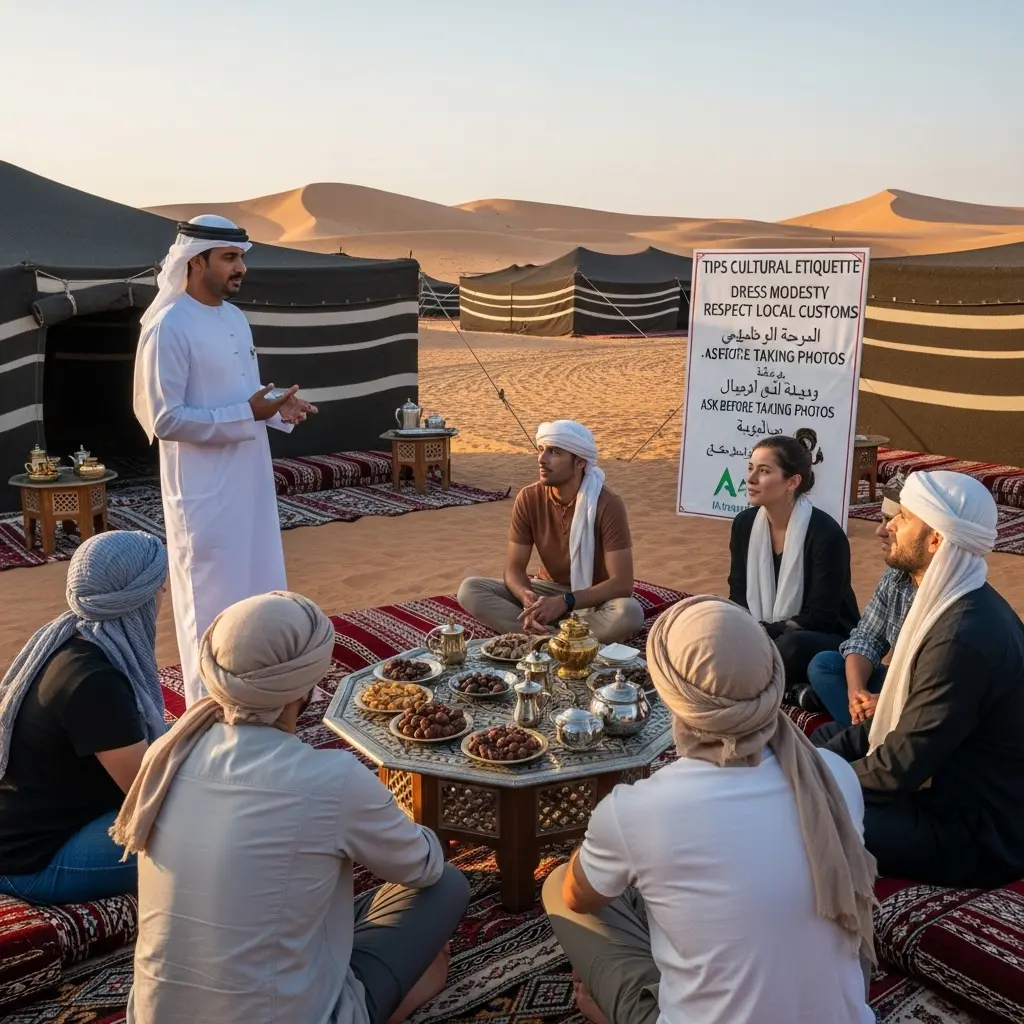
The first pillar of Dubai Safari Etiquette begins the moment you enter the desert camp. You will be greeted with “Gahwa”—traditional Arabic coffee flavored with cardamom. This is not merely a beverage; it is a profound gesture of peace. Accepting the coffee is the first step in establishing a bond between host and guest.
When the server approaches you, always receive the small cup (Finjan) with your right hand. In local culture, the left hand is reserved for personal hygiene and is considered disrespectful for eating or greeting. Once you finish your coffee, if you do not wish for a refill, you should gently shake the cup from side to side before handing it back.
Accompanying the coffee are fresh dates. These fruits are the desert’s superfood, representing the sweetness of life. It is customary to take an odd number of dates, usually one or three, as this follows traditional prophetic practice. This small detail in your behavior demonstrates a high level of cultural literacy that is greatly appreciated by the staff.
Dressing for Respect and Environmental Protection
Your choice of clothing is a fundamental component of Dubai Safari Etiquette. While Dubai is highly cosmopolitan, the desert is a traditional zone. Modesty is the golden rule for both men and women. Aim for “Modest Casual” attire that covers the shoulders and the knees.
Loose-fitting garments made of natural fibers like cotton or linen are ideal. Not only do they respect local sensibilities, but they also provide the best protection against the intense 2026 sun. Avoid transparent fabrics or overly revealing outfits, as these can make local guides and families uncomfortable in the communal setting of the camp.
Footwear should be practical. Secure sandals or sneakers are the best choices. While it might be tempting to wear formal shoes for sunset photography, they are impractical for the shifting dunes. Dressing correctly ensures you can participate in all activities—from camel riding to sandboarding—without any wardrobe malfunctions or cultural friction.
Mastering the Art of Communal Dining
The BBQ buffet dinner is the social centerpiece of the evening, and Dubai Safari Etiquette dictates several rules for this feast. Arabian culture emphasizes sharing and patience. When the buffet opens, allow elders and families with young children to serve themselves first.
When eating, remember the “Right Hand Rule” once again. Even if you are using modern cutlery, the right hand should be the primary hand for handling food. If you are participating in a traditional meal where food is eaten by hand, use your thumb and first two fingers to scoop the rice and meat.
Wasting food is considered highly disrespectful in a culture that has historically survived in a landscape of scarcity. Take only what you can eat. If you have specific dietary needs, such as being vegan or gluten-free, communicate this during your booking at https://htdesertsafari.com/ to ensure the kitchen prepares appropriate portions without waste.
Ethical Photography and Social Media Boundaries
Photography is a major draw for any visitor, but Dubai Safari Etiquette requires a high level of sensitivity. The “Golden Hour” provides perfect light, but you must be mindful of your subjects. Always ask for permission before taking a photo of a local person, especially women and children.
Avoid pointing your camera toward private family areas or prayer zones within the camp. While the performers are happy to pose after their shows, during the performance, try to be discreet. Using a flash during the belly dance or fire show can be distracting for the artists and intrusive for other guests.
When sharing your photos on social media, be respectful of the captions and context. The desert is a place of deep spiritual and historical value. For more expert tips on the best photography ridges that are away from the crowds, you can consult industry resources like https://dubaidesertsafarie.com/ and https://royaldesertadventures.ae/.
Interaction with Desert Wildlife and Fauna
A often-overlooked part of Dubai Safari Etiquette is our relationship with the environment. The desert is a fragile ecosystem. In 2026, conservation efforts are at an all-time high. When you see a Sand Gazelle or an Arabian Oryx, maintain a respectful distance.
Never attempt to feed the wildlife or disturb the sparse vegetation like the Ghaf tree. These plants are the lifeblood of the desert, providing shade and stabilizing the dunes. Staying on designated tracks during the 4×4 session prevents the destruction of the desert’s natural crust.
By following “Leave No Trace” principles, you ensure that the dunes remain pristine for future generations. If you find trash in the sand, picking it up is a noble gesture that reflects well on you as a traveler. Check the sustainability protocols of top operators at https://royaldesertadventures.ae/ for more info on eco-friendly travel.
| Interaction Type | Traditional Norm | Modern Application | Importance |
| Hand Greeting | Right Hand Only | Right Hand for Drinks/Food | High |
| Dress Code | Full Coverage | Shoulders/Knees Covered | Essential |
| Photography | Ask Permission | Discreet in Public Zones | Critical |
| Dining | Elders First | Patience in Buffet Lines | Medium |
The Logistics of Professional Driver Interaction
The human element of your journey is your driver. Dubai Safari Etiquette extends to how you interact with the professional staff. Your driver is a licensed expert who manages your safety in a high-risk environment. Showing appreciation for their skill builds a positive rapport.
A simple “As-salamu alaykum” (peace be upon you) when meeting your driver is a powerful icebreaker. During the dune bashing, follow their instructions regarding seatbelts and window closure without question. Their technical knowledge of the sand’s density and tire pressure is what keeps you safe.
Punctuality is also a form of respect. When the driver arrives at your hotel lobby, being ready five minutes early ensures the entire convoy stays on schedule for the sunset. For the most reliable and professional transfers in Dubai, visit https://htdesertsafari.com/ and see their fleet standards.
Cultural Performances and Artistic Respect
The evening shows are the soul of the camp. Dubai Safari Etiquette requires that you treat the performers with the respect due to their professional status. The Tanoura dance is a spiritual whirl with Sufi roots; while it is colorful and exciting, it carries deep religious symbolism.
Avoid walking across the stage or loud talking while a performance is in progress. The fire show, in particular, requires focus and safety coordination. Staying within the designated seating areas ensures the artists can perform their high-octane maneuvers without any risk of collision.
After the shows, many performers are happy to pose for portraits. This is the time for guest interaction. A small gratuity (tip) for the artists is not mandatory but is a kind gesture that acknowledges their hard work in the desert heat. To see which operators hire the highest-rated cultural troupes, visit https://dubaidesertsafarie.com/.
Navigating the Majlis and Social Spaces
The majlis is the traditional “sitting place” where guests gather. Dubai Safari Etiquette in this space is centered on relaxation and conversation. When entering a carpeted area, it is customary to remove your shoes. This keeps the sand and dust away from the seating surfaces.
Sit in a way that does not point the soles of your feet toward another person, as this is considered offensive in Middle Eastern culture. Sitting cross-legged or with your feet tucked under you is the preferred method. This demonstrates your awareness of traditional Arabian posture and social grace.
The shisha area is another social hub. If you are a non-smoker, it is polite to choose a seating area upwind. If you are participating, remember that shisha is a slow, social activity. Don’t rush the process; enjoy the conversation and the view of the stars. For more on luxury majlis setups, check the galleries at https://royaldesertadventures.ae/.
Safety Regulations and Personal Conduct
While the desert feels like a place of total freedom, Dubai Safari Etiquette includes a strong emphasis on safety. Personal conduct during the 4×4 session should be calm. Avoid shouting or excessive movement inside the vehicle, as this can distract the driver during technical climbs.
If you feel unwell during the dune bashing, communicate this immediately. There is no shame in requesting a “Gentle Drive.” A professional driver would rather slow down than have a guest in distress. This honesty is part of the mutual respect between the traveler and the host.
Public displays of affection (PDA) should be avoided at the camp. The desert safari is a family-friendly environment that caters to local residents as well as international tourists. Maintaining a level of decorum in your personal interactions ensures a comfortable atmosphere for everyone present.
Managing Digital Gear and Connectivity
In 2026, staying connected is a priority, but Dubai Safari Etiquette suggests a balanced approach. While many vehicles and camps provide high-speed satellite Wi-Fi, using your phone at maximum volume for videos or music can ruin the tranquility for others.
Use headphones if you need to listen to music or make a call. The silence of the desert at night is one of its most valuable assets; don’t be the person who breaks it with a loud ringtone. Let the natural sounds of the dunes and the traditional instruments be the soundtrack of your night.
Technology also assists in safety. Keeping your phone’s location services on and sharing your trip details with a friend back in the city is a smart move. For more on tech-forward safari logistics and how to stay safe in the deep sand, explore the guides at https://htdesertsafari.com/.
Preparing for the Long Drive and Drop-off
The journey home is a time for reflection. Dubai Safari Etiquette during the return transit is focused on quiet consideration. Most guests are tired after a long day of adventure. Keeping the conversation at a low volume in the shared 4×4 allows everyone to decompress.
Ensure you have all your personal belongings—cameras, sunglasses, and souvenirs—before you exit the vehicle at your hotel. If you found the experience exceptional, a tip of 20-50 AED for the driver is a standard and appreciated gesture in Dubai’s service industry.
The transition from the ancient desert to the hyper-modern city is a dramatic one. As the lights of the Burj Khalifa appear on the horizon, take a moment to thank your host. A simple “Shukran” (thank you) goes a long way. For assistance in planning your full Dubai itinerary, visit https://dubaidesertsafarie.com/.
Comparing Camp Standards: Shared vs. Exclusive
Not all camps have the same Dubai Safari Etiquette expectations. In a large shared camp, the atmosphere is more like a festival. In an exclusive or private camp, the behavior should be more refined and intimate.
Private safaris allow you to customize the etiquette level to your group’s needs, but the basic rules of respect for the land and the staff remain. When you book a private setup through https://htdesertsafari.com/, you get a dedicated host who can guide you through the nuances of the evening.
Researching the camp type beforehand helps you pack and prepare mentally. Some camps are more “adventure-focused,” while others are purely “heritage-focused.” Reading the 2026 guest reviews on sites like https://royaldesertadventures.ae/ will help you identify the “vibe” of each operator.
Why 2026 is the Year for Mindful Travel
The global travel trend in 2026 is moving toward “Slow Travel” and “Meaningful Immersion.” Dubai Safari Etiquette fits perfectly into this philosophy. It’s about more than just the “thrill ride”; it’s about understanding the resilient soul of the Arabian people.
The UAE government has invested heavily in “Cultural Ambassadors”—certified guides who are experts in desert lore. By engaging with these professionals, you gain an intellectual depth that a standard tour lacks. You aren’t just a spectator; you are an active participant in a living heritage.
Mindful planning ensures that your presence in the desert is a benefit to the local culture. Supporting operators that prioritize education and respect ensures that these ancient traditions continue to thrive in a modern world. Start your mindful journey today at https://htdesertsafari.com/.
Handling Special Requirements with Grace
If you are traveling as a senior, with children, or have physical disabilities, Dubai Safari Etiquette ensures you are treated with priority and care. The “People of Determination” (the UAE term for those with disabilities) are highly respected in local culture.
Inform your operator of any mobility needs during the booking process. Premium camps have modified pathways and accessible restrooms to ensure everyone can enjoy the desert. Being proactive with your requests allows the staff to prepare the best possible welcome for you.
For families, the desert is a place for children to learn about history and nature. Encouraging your kids to follow the “Right Hand Rule” or the dress code is a great way to teach them global citizenship. To find the most family-friendly safari packages, consult the experts at https://dubaidesertsafarie.com/.
Summary of the Respectful Traveler Blueprint
In conclusion, Dubai Safari Etiquette is a magnificently simple code of behavior: Respect the people, respect the land, and embrace the hospitality. By choosing the right partners and arriving with an open heart, you ensure your adventure is both spectacular and ethical.
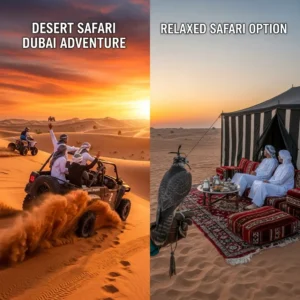
The desert is ready to tell you its story. Whether you are holding a falcon at sunset or sipping tea under a canopy of stars, your behavior is what unlocks the true depth of the experience. Trust the professionals to handle your logistics while you focus on the culture.
The golden dunes are calling. Secure your spot on a safari that values tradition as much as thrills. Book your expedition today and step into the timeless world of Arabian hospitality with the grace of a true desert traveler.
Frequently Asked Questions (FAQs)
What is the most important rule of Dubai Safari Etiquette?
The most fundamental rule is respect for local customs. This includes dressing modestly (shoulders and knees covered), using your right hand for eating and drinking, and always asking for permission before taking photos of local people or staff.
Is there a specific dress code for the desert safari?
There is no “enforced” uniform, but “modest casual” is the respectful choice. Loose cotton or linen clothing is best. Avoid very revealing outfits or transparent fabrics, out of respect for the local culture and to protect yourself from the sun and sand.
Can I take photos of the performers during the shows?
Yes, you can take photos and videos of the Tanoura, belly dance, and fire shows. However, avoid using a bright flash as it can be distracting and dangerous for the artists. It is polite to wait until the show is over to approach them for personal portraits.
Why should I only use my right hand for coffee and food?
In Middle Eastern culture, the right hand is traditionally used for “clean” tasks like eating, drinking, and shaking hands. The left hand is traditionally associated with personal hygiene. Following this rule is a significant sign of cultural respect.
Do I need to tip the driver and the camp staff?
Tipping is not mandatory in the UAE, but it is a widely accepted part of the tourism industry. A tip of 20-50 AED for your driver or a small gratuity for the BBQ chefs is a kind way to show appreciation for their hard work.
Is it okay to refuse the Arabic coffee (Gahwa)?
It is more polite to accept at least one small cup as a gesture of accepting the host’s hospitality. If you really don’t want any more, gently shake the cup from side to side when you hand it back to signify you are finished.
What happens if I accidentally offend someone?
Don’t worry too much; most Emiratis and camp staff understand that international travelers may not know every rule. A simple, sincere apology and a smile are usually enough to correct any misunderstanding. Being a curious and humble traveler is always appreciated.
Are children expected to follow the same etiquette?
Yes, but the staff is usually very patient with children. It is a great opportunity to teach them about different cultures. The “right hand rule” and respectful photography are simple lessons that kids can easily follow.
Is it safe to go barefoot at the desert camp?
Yes, many guests enjoy the feeling of the sand or the carpets. However, only do so within the carpeted areas of the majlis. When walking near the camels or the BBQ area, it is safer to wear shoes to avoid hot sand or uneven ground.
Can I smoke shisha if I’m not a regular smoker?
Yes, shisha is available for anyone over the age of 18 (or 21 depending on the camp policy). It is a slow, traditional activity. If you are new to it, ask the staff for a mild flavor like mint or apple.
How do I address the local guides and staff?
A polite “Sir” or “Ma’am” is always appropriate. If you know their name, using it is a friendly gesture. Being polite and patient during the buffet and the transit is the best way to build a positive relationship with your hosts.
Are there any specific rules for camel riding?
Follow the handler’s instructions strictly, especially when the camel is standing up or sitting down. Stay calm and don’t make loud noises that might startle the animal. This is both a matter of safety and respect for the animal.
Can I bring my own alcohol to the desert camp?
No, you should not bring your own alcohol. Most camps have a licensed bar where you can purchase drinks. However, alcohol is not served during religious holidays or specific “dry days” mandated by the government.
Is it okay to wear a swimsuit under my clothes?
It is not recommended, as there are no swimming facilities at a desert camp. Stick to loose, comfortable clothing that allows for easy movement and modesty.
What should I do if I see litter in the dunes?
While you aren’t expected to be a janitor, picking up small pieces of litter and disposing of them in the camp’s bins is a highly respected gesture. It shows you care about the desert environment and its preservation.
Is the “Tanoura” dance religious?
The dance has Sufi origins and is a form of spiritual meditation. While it is presented as entertainment in the camp, it is still a performance of cultural and spiritual significance. Treat it with the same respect you would a formal theater performance.
How far in advance should I book my safari?
During the peak winter months (Nov-Mar), book at least 72 hours in advance to ensure you get a reputable operator. In the off-peak season, 24-48 hours is usually sufficient. Booking through https://htdesertsafari.com/ ensures a quality experience.
Are the restrooms clean at the desert camp?
In 2026, most licensed camps have very high standards. They are permanent blocks with running water and full-time attendants. Maintaining hygiene is part of the professional hospitality code of Dubai.
Why choose https://htdesertsafari.com/ for my booking?
They work with the most experienced and culturally aware operators in the city. Their focus on logistical precision and guest satisfaction ensures that your desert adventure is spectacular and respectful. For more info, check https://dubaidesertsafarie.com/ and https://royaldesertadventures.ae/.
Can I book a private safari for my family?
Yes, private safaris are highly recommended for families. They allow for a customized itinerary and a more intimate cultural exchange with your guide. It is the definitive way to experience the desert with total comfort and privacy.
Dubai Safari Etiquette insights reveal that the desert is a place of deep connection and beauty. By choosing the right partners and focusing on the details, you ensure an experience that is as safe as it is unforgettable. The dunes are waiting—your adventure is ready to be unveiled.