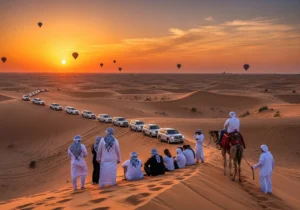


Summer vs Winter Desert Safari Dubai 15 Critical Facts for Tourists
Dubai is a land of extremes.
It is a city where the climate dictates the lifestyle.
When planning a trip to the golden dunes, timing is everything.
The difference between a Summer vs Winter Desert Safari Dubai is massive.
It is not just a change in temperature.
It is a complete change in the experience.
It affects the price you pay.
It affects the clothes you wear.
It affects the animals you see.
Many tourists arrive unprepared.
They book a safari in July expecting a breezy evening.
Or they come in January in shorts and freeze at night.
We want to save you from these mistakes.
We have created the ultimate seasonal guide.
This post will dissect every month of the year.
We will analyze the pros and cons of visiting in the heat versus the cool.
We will look at the physics of sand in different temperatures.
By the end of this 4500-word deep dive, you will be an expert.
You will know exactly when to book with https://royaldesertadventures.ae/.
Let us explore the dual nature of the Arabian Desert.
Understanding the Dubai Climate
Dubai has two main seasons.
Hot and hotter.
Just kidding, but that is how it feels to outsiders.
Technically, there is a winter season.
This runs from October to April.
Then there is a summer season.
This runs from May to September.
The transition months are April and October.
In a Summer vs Winter Desert Safari Dubai comparison, the thermometer is king.
Winter temperatures range from 15°C to 30°C.
Summer temperatures range from 30°C to 50°C.
Humidity also plays a huge role.
Summer humidity can make 40 degrees feel like 50.
Winter air is drier and crisper.
This fundamental difference shapes the entire tourism industry.
It dictates when the camps open.
It dictates how the cars drive.
The Winter Desert Safari Experience (The Peak)
Winter is the golden season.
It is when Dubai comes alive.
From November to March, the weather is perfect.
It is like a European summer.
This is why everyone wants to go on a safari then.
The days are sunny but pleasant.
You can walk on the sand without burning your feet.
You can sit outside at noon.
The Summer vs Winter Desert Safari Dubai debate leans heavily towards winter for comfort.
This is the time for outdoor activities.
Camel trekking is enjoyable.
You can ride for an hour without sweating.
Sandboarding is fun because the sand is cool.
The wildlife is active during the day.
You might see Oryx and Gazelles grazing.
The Magic of Winter Evenings
The real highlight of winter is the evening.
As the sun sets, the temperature drops.
It can get down to 10°C or even lower in deep winter (January).
This chill is refreshing.
It makes the bonfire at the camp essential.
Gathering around the fire with hot tea is magical.
You wear a jacket or a hoodie.
It feels cozy.
It feels like a true camping trip.
The clear winter skies are perfect for stargazing.
There is less humidity haze.
You can see the constellations clearly.
This atmosphere is unique to the winter months.
Winter Crowds and Costs
However, perfection comes at a price.
Winter is the peak tourist season.
Everyone wants to be there.
The camps are busy.
The dunes can be crowded with cars.
You might have to wait in line for the buffet.
Prices are higher.
Hotels are more expensive.
Safari tickets are at full price.
If you hate crowds, this is a downside.
But the energy is high.
The camps are festive.
It is a trade-off between weather and privacy.
You can check winter availability at https://royaldesertadventures.ae/.
The Summer Desert Safari Experience (The Challenge)
Now let’s talk about the beast.
The Dubai summer.
Many people say, “Don’t go to the desert in summer.”
Is that true?
Not entirely.
A summer safari has its own charm.
But it requires a different mindset.
It is an adventure for the brave.
Or for the budget-conscious.
In the Summer vs Winter Desert Safari Dubai analysis, summer wins on price.
Operators offer huge discounts.
Hotels are cheap.
The city is quieter.
If you are a solo traveler on a budget, summer is appealing.
Surviving the Heat
The heat is intense.
You cannot do long camel treks.
The animals need to rest.
You cannot stand in the sun for long.
Sandboarding is tough because the sand is hot.
So, how do you enjoy it?
You shift the timing.
Summer safaris often start later.
They focus on the evening.
The sunset is still beautiful.
Once the sun goes down, it becomes bearable.
It is still warm (30°C+), but not burning.
You sweat, but it is manageable.
Most camps install large fans.
Some have air-conditioned tents (Majlis).
You move from AC car to AC tent.
You minimize outdoor exposure.
The Summer Vibe
The best part of summer is the solitude.
There are fewer tourists.
You might have the whole dune to yourself.
The photos look cleaner without crowds.
The service at the camp is faster.
The staff have more time for you.
It feels more exclusive.
If you can handle the heat, you get VIP treatment for a low price.
This is a secret of experienced travelers.
They know that Summer vs Winter Desert Safari Dubai is a choice between comfort and crowd.
Check summer deals at https://dubaidesertsafarie.com/.
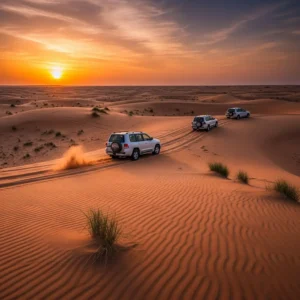
Dune Bashing Physics: Hot Sand vs Cold Sand
Did you know temperature affects driving?
Sand behaves differently in Summer vs Winter Desert Safari Dubai.
In winter, the sand holds moisture.
It is cooler.
This makes the sand firmer.
The sand grains stick together.
This provides better traction for the tires.
The cars can drive faster.
They can climb steeper dunes.
They can perform sharper turns.
The ride feels crisp and responsive.
It is great for high-adrenaline bashing.
In summer, the sand is bone dry.
It is super heated.
This makes the sand very soft and powdery.
It is like driving in water.
The cars sink deeper.
The engine has to work harder.
The risk of getting stuck is higher.
The ride feels more “floaty”.
There is more sliding and drifting.
It is a different kind of thrill.
Drivers have to be more skilled in summer.
They have to manage engine temperature.
Overheating is a risk for the cars.
Wildlife Activity: Seasonality of Nature
If you love animals, listen up.
Animals are smart.
They know how to handle the weather.
In a Summer vs Winter Desert Safari Dubai context, winter is the zoo season.
During cool winter days, animals roam freely.
You can see Arabian Oryx walking near the tracks.
You can see Gazelles playing.
Lizards come out to bask in the mild sun.
Birds are migrating and active.
It is a great time for nature photography.
In summer, the desert looks empty during the day.
The animals are hiding.
They seek shade under bushes.
They burrow underground.
They conserve energy.
You rarely see them before sunset.
They come out at night when it cools down.
So, on a summer safari, keep your eyes peeled after dark.
You might see nocturnal creatures.
But the daytime sightings are rare.
Clothing Guide: What to Wear When
This is where tourists make mistakes.
Packing for Summer vs Winter Desert Safari Dubai requires two different suitcases.
Winter Packing List (Oct-Apr)
-
Daytime: T-shirt, jeans or linen trousers.
-
Evening: Hoodie, denim jacket, or windbreaker.
-
Shoes: Sneakers or boots. The sand is cold at night.
-
Accessories: Scarf (for wind), sunglasses.
Do not underestimate the cold.
Sitting in an open camp at 15°C with a breeze feels cold.
Especially after the warmth of the day.
Bring layers.
Summer Packing List (May-Sep)
-
Daytime: Loose cotton clothes, light colors.
-
Evening: Same as daytime. It stays warm.
-
Shoes: Sandals are okay, but sand burns feet. Sneakers are safer.
-
Accessories: Hat (mandatory), heavy duty sunscreen, sweat towel.
Avoid synthetic fabrics in summer.
Polyester will make you miserable.
Stick to natural fibers that breathe.
Avoid tight clothes.
Allow air to circulate.
Health and Safety: Seasonal Risks
Safety priorities change with the season.
In Summer vs Winter Desert Safari Dubai, the risks are different.
Summer Risks
Heat Stroke: This is the big killer.
Symptoms: Dizziness, no sweating, red skin.
Prevention: Drink water every 15 minutes. Don’t wait for thirst.
Stay in the shade.
Sunburn: The UV index is extreme.
Prevention: SPF 50+. Reapply often. Cover skin.
Dehydration: You lose salts.
Prevention: Drink electrolytes or salty lemon juice.
Winter Risks
Hypothermia (Mild): Rare, but possible if wet or underdressed.
Prevention: Wear a jacket. Stay dry.
Fog: Winter mornings often have thick fog.
This makes driving dangerous.
Prevention: Trust the driver. They might delay the start.
Flu/Colds: The change in temp can make you sick.
Prevention: Dress warmly in the evening.
We prioritize your health at https://royaldesertadventures.ae/.
Camping: To Sleep or Not to Sleep?
Overnight safaris are popular.
But can you camp in summer?
In the Summer vs Winter Desert Safari Dubai debate, winter wins for camping.
Sleeping in a tent in January is lovely.
You snuggle in a sleeping bag.
The air is fresh.
You wake up to a cool sunrise.
It is comfortable and romantic.
In July, sleeping in a regular tent is a nightmare.
It is 30 degrees at night.
It is humid.
You will wake up soaking wet.
Most standard camping is closed in summer.
However, some operators offer AC camping.
These are permanent structures with air conditioning.
If you must camp in summer, book an AC room.
Do not attempt a standard tent.
You will not sleep.
Photography: The Battle of Light
Photographers care about light.
The light quality changes.
Winter Light:
The sun is lower in the sky.
Shadows are longer all day.
The light is softer and golden.
The sky is a deep blue.
Visibility is high (crisp air).
This is the best season for photos.
Summer Light:
The sun is directly overhead.
Shadows disappear at midday.
The light is harsh and white.
There is often a haze or humidity mist.
The sky looks pale or white.
Sunset is often redder due to dust.
You have a shorter window of good light.
You must shoot very early or very late.
If you are a pro photographer, choose winter.
If you want moody, hazy shots, summer works.
Activities Availability Checklist
Not all activities run all year.
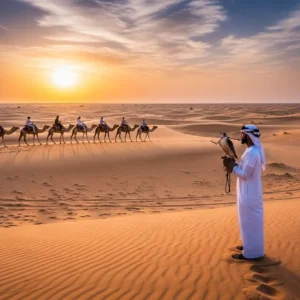
Falconry:
-
Winter: Yes. Falcons fly well in cool air.
-
Summer: Limited. Birds overheat. Shows might be ground-only or cancelled.
Camel Trekking:
-
Winter: Yes. Long treks available.
-
Summer: Short rides only. Animals need protection.
Quad Biking:
-
Winter: All day.
-
Summer: Early morning or late afternoon only. Engines overheat.
Hot Air Balloon:
-
Winter: Yes. Prime season.
-
Summer: Often closed. Too hot for balloons and passengers.
Check activity status at https://hafiztourism.com/.
The “Golden Hour” Shift
The timing of the tour changes.
In winter, the sun sets early.
Around 5:30 PM.
Pickups are around 2:30 PM.
In summer, the sun sets late.
Around 7:00 PM.
Pickups are around 3:30 PM or 4:00 PM.
This affects your whole itinerary.
In summer, you have a longer evening.
In winter, the night comes fast.
Knowing this helps you plan your day.
Don’t book a lunch at 2:00 PM in winter if pickup is 2:30 PM.
Cost Comparison: By the Numbers
Let’s look at the wallet impact.
Winter (High Season):
Demand is high.
Discounts are rare.
Premium safari: 300 – 500 AED.
Standard safari: 150 – 250 AED.
Hotel rates: Peak (1000+ AED/night).
Summer (Low Season):
Demand is low.
“Kids Go Free” offers are common.
Premium safari: 200 – 350 AED.
Standard safari: 100 – 150 AED.
Hotel rates: Low (300-500 AED/night).
If you are a family of 5, summer saves you thousands.
The Summer vs Winter Desert Safari Dubai math favors the brave.
Cultural Events and Festivals
The season affects the vibe.
Winter:
National Day (Dec 2). Huge celebrations.
New Year’s Eve. Fireworks in the desert.
Dubai Shopping Festival.
The camps are festive.
There are often special shows.
Summer:
Ramadan (dates change, but often near summer).
No alcohol. No loud music. No belly dancing.
It is a quiet, spiritual time.
Eid Al Adha.
Summer Surprises Festival.
Indoor events focus.
Check the Islamic calendar.
It affects the entertainment in the camp.
The Desert Flora
Plants change too.
After winter rains (yes, it rains), the desert blooms.
You might see green shoots.
You might see small desert flowers.
The Ghaf trees look greener.
The desert looks alive.
In summer, everything is dry.
The plants turn brown and dormant.
It looks more barren.
This changes the landscape photography.
Winter offers a greener desert.
Summer offers a stark, Mars-like landscape.
Both are beautiful in their own way.
Why Royal Desert Adventures is Year-Round
We operate 365 days a year.
We adapt to the Summer vs Winter Desert Safari Dubai challenges.
In winter, we provide blankets.
We optimize the fire pits.
In summer, we provide extra ice water.
We use cooled vehicles.
We adjust the timing for your comfort.
We know the desert in every mood.
We ensure safety regardless of the thermometer.
You can trust us in July or January.
Conclusion
So, which is better?
Summer vs Winter Desert Safari Dubai?
There is no single answer.
It depends on you.
If you want comfort, perfect weather, and full activities: Choose Winter.
It is the classic experience.
It is flawless.
If you want bargains, privacy, and don’t mind heat: Choose Summer.
It is adventurous.
It is unique.
Dubai is open all year.
The desert never closes.
Understanding the seasons allows you to prepare.
It allows you to pack the right clothes.
It allows you to set the right expectations.
Whether you choose the chill of January or the heat of August.
The dunes are waiting.
Book your seasonal adventure today.
Visit https://royaldesertadventures.ae/ for the best rates.
Check specific monthly guides at https://dubaidesertsafarie.com/ and https://hafiztourism.com/.
The sun is rising.
The seasons are turning.
Your adventure starts now.
Month-by-Month Quick Guide
| Month | Season | Temperature | Crowd Level | Best Feature |
| Jan | Winter | Cold | Very High | Camping/Bonfire |
| Feb | Winter | Cool | High | Perfect Weather |
| Mar | Winter | Pleasant | High | Flowers/Greenery |
| Apr | Transition | Warm | Medium | Good Balance |
| May | Summer | Hot | Low | Cheaper Rates |
| Jun | Summer | Very Hot | Low | Sunset Views |
| Jul | Summer | Extreme | Very Low | Privacy/Deals |
| Aug | Summer | Extreme | Very Low | Empty Dunes |
| Sep | Summer | Hot | Low | Season Opener |
| Oct | Transition | Warm | Medium | First Breezes |
| Nov | Winter | Pleasant | High | Outdoor Events |
| Dec | Winter | Cold | Very High | NYE/Parties |
20 FAQs with Long Answers
1. What is the absolute best month for a desert safari in Dubai?
The absolute best month is widely considered to be February. In February, the deep chill of January has faded, but the heat of summer hasn’t arrived. The daytime temperatures hover around 25°C, which is perfect for t-shirts. The evenings are cool but not freezing. The sky is usually crystal clear. Wildlife is active. It is the “Goldilocks” month where everything is just right for the Summer vs Winter Desert Safari Dubai experience.
2. Is it safe to do a desert safari in July or August?
Yes, it is safe if you book with a professional operator. While temperatures can hit 45-50°C, operators adjust their schedules. They minimize time spent outside the vehicle during the peak heat. The vehicles are powerfully air-conditioned. The camps are equipped with fans and coolers. As long as you stay hydrated and follow the guide’s instructions, it is safe. However, it is not recommended for infants or elderly people with health conditions sensitive to heat.
3. Do I need a jacket for the desert safari?
If you are visiting between November and March, yes, you definitely need a jacket. Once the sun sets, the desert loses heat rapidly due to the lack of humidity and cloud cover. Temperatures can drop to 10-15°C. Combined with the wind, it can feel very cold. A hoodie, denim jacket, or a fleece is essential for the evening dinner and show. In summer, you do not need a jacket.
4. Are the prices different in summer and winter?
Yes, significantly. Winter is the peak tourist season, so prices are at their highest. Hotels and flight tickets are expensive. Safari operators charge full rates. Summer is the off-peak season. To attract tourists, hotels slash prices by up to 50%. Safari operators often run “Buy 1 Get 1 Free” deals or offer discounted rates. If budget is your primary concern, summer is the winner in the Summer vs Winter Desert Safari Dubai comparison.
5. Can I see the same animals in summer and winter?
You can see the same species, but your chances of spotting them during the day differ. In winter, Oryx and Gazelles are active throughout the day because it is cool. In summer, they are smarter than us—they hide in the shade or underground burrows to escape the midday heat. You are much less likely to see them on a summer afternoon drive. You might spot them after sunset as they come out to feed.
6. Is dune bashing more dangerous in summer?
It is not necessarily more dangerous, but it is different. The sand in summer is very soft and powdery because it is completely dry. This increases the risk of the car getting stuck. Drivers have to be more skilled to maintain momentum. The cars also work harder, so the risk of engine overheating is higher. Professional operators maintain their fleets to handle this, but the ride feels “looser” and more slippery than the firm winter tracks.
7. What happens if it rains during my winter safari?
Rain in Dubai is rare but becoming more common in winter (especially January/February). If it rains lightly, the tour proceeds, and it is a beautiful, rare experience to see wet dunes. If there is a storm, the tour might be cancelled for safety reasons, as visibility drops and flash floods can occur in wadis. In this case, reputable operators like https://royaldesertadventures.ae/ will offer a refund or reschedule.
8. Can I camp overnight in June?
You can, but it is very uncomfortable unless you book a specialized AC tent. Sleeping in a standard camping tent in June means dealing with 30°C+ heat and humidity at night. You will sweat profusely and likely not sleep well. Standard overnight camping is generally not recommended from May to September. Stick to evening safaris or book a luxury “Glamping” pod with climate control.
9. Are there bugs or snakes in the desert?
Snakes and scorpions exist in the desert, but sightings are rare on tourist tracks. They are more active in the warmer months (summer) as they are cold-blooded. In winter, they hibernate or are very sluggish. However, in summer nights, they might be active. Always wear closed shoes when walking in the sand at night, regardless of the season, and stay within the well-lit camp areas.
10. How does the humidity affect the safari?
Humidity is the silent killer in summer. In winter, the air is dry. In summer, especially August and September, humidity can rise to 90%. This makes the heat feel suffocating. It prevents your sweat from evaporating, so you don’t cool down. This increases the risk of heatstroke. On humid days, physical exertion like sandboarding should be kept to a minimum.
11. Is the food different in summer and winter?
The menu is largely the same (BBQ, salads, rice), but food safety protocols are stricter in summer. In winter, food can sit out on a buffet for a while without spoiling. In summer, food spoils very fast. Reputable camps keep food in warmers or coolers until the last second. You might find more refreshing drinks (lemon mint, cold juices) emphasized in summer, while hot tea and coffee are the stars of winter.
12. Are there fewer activities in summer?
Some activities might be curtailed. Falconry shows might be cancelled or moved indoors/nights because the birds cannot perform in extreme heat. Camel rides are often shortened to just a quick photo opportunity to protect the animals’ health. Quad biking is still available but recommended for early morning or sunset times only. In winter, all activities run on full schedules.
13. What is the “transition season”?
The transition months are April and October. These are considered by many to be the best times. It is not too hot, not too cold. The water in the pools is warm, the evenings are pleasant without needing a jacket. It is a “shoulder season,” so crowds are moderate, and prices are starting to drop (in April) or rise (in October). It offers a good balance in the Summer vs Winter Desert Safari Dubai choice.
14. Can I wear shorts in winter?
You can wear shorts during the day in winter (it’s 25°C), but you will regret it at night. As soon as the sun goes down, your legs will get cold. It is much better to wear long trousers or jeans. They are comfortable for the day and provide warmth for the night. They also protect your legs from sand during boarding and from insect bites.
15. Do the cars have AC?
Yes, absolutely. All Land Cruisers used for safaris are equipped with powerful air conditioning. In summer, the AC is a lifesaver. The cars are kept cool. You will spend about 45 minutes to 1 hour inside the car during the dune bashing. The only time you are exposed to the full heat is during photo stops and at the camp (though camps have fans/coolers).
16. Is the sunset different?
Yes. Winter sunsets are often clearer and crisper. The sky turns a vivid orange and blue. Summer sunsets can be hazy due to humidity and dust in the atmosphere. This can sometimes create a dramatic, diffused red ball effect, but often the visibility is lower. Photographers usually prefer the clarity of winter light for capturing the dune textures.
17. How do I avoid the crowds in winter?
Since winter is peak season, crowds are inevitable. To avoid them, book a Morning Safari (most people go in the evening). Or, book a Private Car so you are not with strangers. You can also look for “Premium” or “VIP” camps which limit their capacity to ensure a more exclusive experience. Booking on a weekday (Monday-Wednesday) is also quieter than weekends (Saturday-Sunday).
18. What if I get heatstroke?
The guides are trained in first aid. If you feel dizzy, tell them immediately. They will move you to an air-conditioned vehicle or room. They will give you water and electrolytes. They will apply ice packs or cool cloths to your neck. Prevention is key: drink water constantly, wear a hat, and don’t overexert yourself. In severe cases, they will transport you to a hospital.
19. Is Ramadan different in summer vs winter?
Ramadan follows the lunar calendar, so it moves back by 11 days each year. Currently, it is moving through the cooler months. If your trip coincides with Ramadan (regardless of season), be aware that no entertainment (belly dancing, loud music) is allowed in the camps. No alcohol is served. It is a quiet, cultural experience. The timing of the safari might also change to align with Iftar (breaking of the fast).
20. Why should I choose Royal Desert Adventures for my seasonal trip?
You should choose https://royaldesertadventures.ae/ because we are experts in year-round operations. We don’t close in summer; we adapt. We have the best AC vehicles. We have well-ventilated camps. We monitor the weather daily to ensure safety. In winter, we offer the best campsites with warm fires. We give you honest advice about what to expect in each season so there are no surprises. We make the Summer vs Winter Desert Safari Dubai choice easy for you.