

Slow Travel Desert Safari 15 Secrets to a Mindful Dubai Journey
The world is moving too fast.
We are always rushing.
We rush to work.
We rush to eat.
We even rush on our holidays.
Tourism has become a checklist.
We run from one attraction to another.
We take a photo and move on.
We rarely stop to breathe.
But there is a new movement.
It is called Slow Travel.
A Slow Travel Desert Safari is the antidote to modern stress.
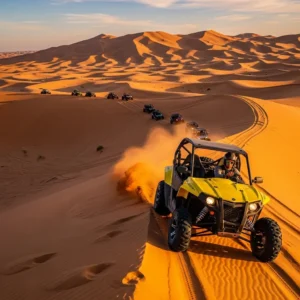
It is not about how many dunes you can bash.
It is about how deeply you can connect.
It is about quality over quantity.
It is about silence over noise.
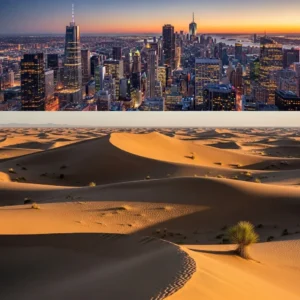
Dubai is famous for speed.
Fast cars.
Fast elevators.
Fast life.
But the desert is ancient and slow.
The sand has been here for millions of years.
It does not rush.
A Slow Travel Desert Safari respects this pace.
It invites you to slow down.
It invites you to look closely.
It invites you to listen to the wind.
In this extensive guide, we will explore this concept.
We will show you how to experience Dubai differently.
We will focus on mindfulness.
We will focus on nature.
We will focus on culture.
Get ready to relax.
The Philosophy of Slow Travel in the Dunes
What exactly is slow travel?
It is a mindset.
It is a choice to disconnect from the chaos.
In the context of a desert safari, it changes everything.
Standard safaris are often hurried.
You get picked up.
You rush to the dunes.
You shake around in a car.
You eat quickly.
You go home.
A Slow Travel Desert Safari is different.
We start with the journey.
We view the drive not as a transfer, but as a tour.
We stop along the way.
We appreciate the changing landscape.
We transition from the city to the wild slowly.
This helps your mind adjust.
You leave your worries in the skyscrapers.
You enter the sand with a clear head.
It is about immersion.
You do not just look at the desert.
You feel it.
You touch the sand.
You smell the sage bushes.
You taste the dust in the air.
It is a sensory experience.
It requires patience.
Nature does not perform on command.
You have to wait and watch.
This patience is rewarding.
It calms your nervous system.
It lowers your cortisol levels.
It is therapy.
Why Choose a Slow Travel Desert Safari
Why should you choose this over a regular tour?
There are many reasons.
1. Mental Health
We are overstimulated.
Phones, emails, traffic.
The desert offers a digital detox.
A Slow Travel Desert Safari encourages you to put the phone away.
It allows your brain to rest.
The vast horizon gives you perspective.
Your problems seem smaller in the big desert.
2. Authentic Connection
Fast tourism is superficial.
You see things, but you don’t know them.
Slow travel allows for conversation.
You talk to your driver.
You talk to the Bedouin hosts.
You learn their stories.
You understand their lives.
This connection is what travel is about.
3. Environmental Respect
Speed often kills nature.
Fast driving destroys plants.
Loud noise scares animals.
A slow approach is eco-friendly.
It respects the ecosystem.
It minimizes damage.
It is sustainable.
4. Detail Orientation
When you move fast, you blur the details.
When you move slow, you see everything.
You see the tracks of a beetle.
You see the texture of the rock.
You see the shades of color in the sunset.
The beauty is in the details.
Companies like https://royaldesertadventures.ae/ understand this value.
They curate experiences that linger.
They prioritize the moment.
The Journey: A Gentle Transition
The trip begins at your hotel.
But it is not a race.
The driver arrives calmly.
The car is comfortable.
As you leave Dubai, watch the city fade.
Notice the architecture change.
See the suburbs turn into farms.
See the farms turn into wilderness.
On a Slow Travel Desert Safari, we discuss this transition.
We talk about the development of the UAE.
We talk about the history of the land.
We stop at the camel farms.
These are not tourist traps.
They are real working farms.
You can see the baby camels.
You can see the mothers.
You can watch them graze.
We stay here for a while.
We do not rush to the next spot.
We observe the social structure of the camels.
It is fascinating.
Then we enter the desert.
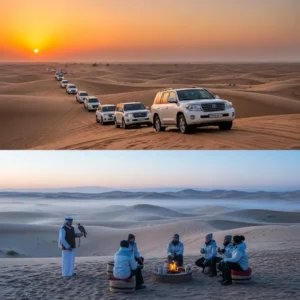
We deflate the tires.
This is a ritual.
It marks the entry into the sand.
We watch the driver work.
We appreciate the mechanics of it.
Then we drive.
But we do not bash.
We cruise.
We float over the sand.
It is a “Nature Drive.”
It is smooth and rhythmic.
It is like a boat on a calm sea.
Connecting with Flora and Fauna
The desert is alive.
But you need to be slow to see it.
A Slow Travel Desert Safari is a biology lesson.
We look for the Ghaf tree.
It is the national tree.
It is a miracle of survival.
We stop the car.
We get out.
We walk to the tree.
We touch its bark.
We look at its leaves.
We learn how it finds water deep underground.
We look for the Arabian Oryx.
They are white and majestic.
They are shy.
If we drive fast, they run away.
If we drive slow, they stay.
We can watch them eat.
We can watch them interact.
We look for the Sand Gazelle.
They are fast and small.
They blend in perfectly.
Spotting them is a game of patience.
We look for lizards.
The Spiny Tailed Lizard is a dinosaur.
It sunbathes on rocks.
We watch it do push-ups.
This is its way of talking.
We look for tracks in the sand.
A snake track looks like an ‘S’.
A beetle track looks like a tire.
A fox track looks like a dog print.
Reading these tracks is an ancient skill.
Your guide from https://dubaidesertsafarie.com/ can teach you.
It turns the sand into a storybook.
Every mark tells a tale.
The Art of Bedouin Hospitality
We arrive at the camp.
But we do not rush to the buffet.
We enter slowly.
We are greeted with warmth.
This is the heart of the Slow Travel Desert Safari.
Hospitality is sacred here.
It is called “Karam.”
We sit down.
We are served Arabic Coffee (Gahwa).
This is not just a drink.
It is a ceremony.
The server holds the pot (Dallah) in the left hand.
He holds the cup (Finjan) in the right hand.
He pours a small amount.
You drink it.
It is spicy with cardamom and saffron.
It wakes up your palate.
You are offered dates.
They are sweet and soft.
The contrast with the bitter coffee is perfect.
You are encouraged to relax.
There is no schedule here.
You can sit for an hour.
You can talk to the host.
You can ask about the coffee making process.
You can ask about the harvest of dates.
This dialogue is precious.
It bridges cultures.
It creates friendship.
We do not treat the staff as servants.
We treat them as hosts.
This shift in perspective is key to slow travel.
Immersive Cultural Activities
The camp offers many activities.
But we do not rush through them.
We choose one or two.
And we do them well.
Henna Painting
We sit with the artist.
We watch her mix the paste.
We choose a design.
But we also ask about its meaning.
Is it for a wedding?
Is it for a celebration?
We watch her hand move.
It is fluid and precise.
We let it dry slowly.
We do not rush to wash it off.
We appreciate the art.
Traditional Clothing
We try on the Kandura or Abaya.
But we do not just take a selfie.
We ask how it is made.
We feel the fabric.
We ask why it is white or black.
We learn about the practicality of the dress.
It protects from the sun.
It allows air flow.
It is designed for this climate.
Falconry
We meet the falconer.
We do not just hold the bird.
We look into its eyes.
We ask about its training.
We ask about its diet.
We learn the history of hunting.
The falcon was a survival partner.
It provided meat for the family.
Understanding this history deepens the experience.
It transforms a tourist photo into a lesson.
A Slow Travel Desert Safari makes you a student of culture.
The Culinary Experience: Savoring Every Bite
Food is central to slow travel.
The slow food movement is global.
Here, we practice it in the desert.
The dinner is a BBQ.
But it is not fast food.
The meat is marinated for hours.
It is cooked over charcoal slowly.
The smell fills the air.
It stimulates the appetite.
We do not pile our plates high and rush.
We take small portions.
We taste the spices.
We taste the cumin in the hummus.
We taste the garlic in the garlic sauce.
We taste the smoke in the chicken.
We eat with our hands if we want.
This connects us to the food.
We eat fresh bread (Khubz).
We watch it being baked.
The baker slaps the dough on the hot oven wall.
It puffs up in seconds.
We eat it hot.
We share the meal.
Sharing food is a bonding act.
We talk while we eat.
We enjoy the breeze.
We enjoy the setting.
Operators like https://hafiztourism.com/ provide excellent food.
They focus on fresh ingredients.
They offer local dishes.
Harees is a wheat and meat dish.
It is slow-cooked for hours.
It is comfort food.
Trying these local flavors is essential.
Do not just stick to fries.
Be adventurous.
Taste the culture.
Sunset and Reflection
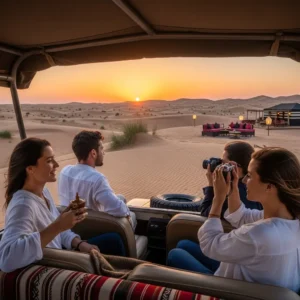
The sun begins to set.
This is the golden hour.
In a Slow Travel Desert Safari, we stop everything.
We find a high dune.
We sit down.
We do not just snap a photo and leave.
We watch the entire process.
The sky changes color.
Blue turns to yellow.
Yellow turns to orange.
Orange turns to purple.
Purple turns to black.
We watch the shadows lengthen.
The dunes change shape in the light.
It is a moving painting.
We practice mindfulness here.
We focus on our breathing.
Inhale the cool air.
Exhale the stress.
We listen to the silence.
The wind drops at sunset.
It becomes very quiet.
This silence is rare in the modern world.
It heals the mind.
We reflect on our day.
We reflect on our lives.
Nature forces us to pause.
It is a spiritual moment.
Many people say this is the highlight.
Not the bashing.
Not the dancing.
But the sitting.
Just sitting and being.
Stargazing: The Night Sky
Night falls.
The city lights are far away.
The stars appear.
First Venus.
Then Sirius.
Then the constellations.
A Slow Travel Desert Safari includes stargazing.
We turn off the camp lights.
Or we move to a dark area.
We lay on the carpets.
We look up.
We see the Milky Way.
It is a river of stars.
We feel small.
This is a good feeling.
It reminds us of our place in the universe.
We look for shooting stars.
They are common here.
We can use a telescope if available.
Or just our eyes.
The Bedouins used stars for navigation.
They knew the sky perfectly.
Your guide might tell you the Arabic names of stars.
Many star names are Arabic.
Altair.
Deneb.
Rigel.
Betelgeuse.
Learning this connects you to history.
It connects you to the ancient explorers.
We stay here for a while.
We do not rush to go back.
The night air is cool.
It is refreshing.
It is peaceful.
Sustainability and Responsibility
Slow travel is responsible travel.
We care about the impact we leave.
A Slow Travel Desert Safari minimizes waste.
We use refillable water bottles.
We avoid single-use plastics.
We do not throw trash in the desert.
We pick up trash if we see it.
We respect the wildlife.
We do not chase animals.
We do not feed them human food.
We stay on designated tracks.
This protects the plant roots.
We support local businesses.
We buy souvenirs from local artisans.
This keeps the money in the community.
We choose eco-friendly camps.
Camps that use solar power.
Camps that recycle water.
https://royaldesertadventures.ae/ is committed to this.
They invest in green technology.
By choosing them, you support the environment.
You become a conscious traveler.
You are not just a consumer.
You are a protector.
This adds meaning to your trip.
It feels good to do the right thing.
Preparation for a Slow Journey
To enjoy a Slow Travel Desert Safari, you must prepare.
Mindset:
Leave your stress at the hotel.
Decide to be patient.
Decide to be open.
Clothing:
Wear comfortable clothes.
Loose cotton or linen.
Natural fabrics breathe better.
Wear sandals.
Feel the sand on your feet.
Bring a light jacket.
It gets cool at night.
Gear:
Bring a camera.
But use it sparingly.
Experience first, photograph second.
Bring binoculars.
They help you see the wildlife.
Bring a book.
Maybe a book of poetry.
Or a journal.
Write down your thoughts.
Hydration:
Drink water.
The desert is dry.
Dehydration causes headaches.
A headache ruins the peace.
Digital Detox:
Put your phone on airplane mode.
Or leave it in the bag.
Be present.
Do not check emails.
The world can wait.
Comparing Fast vs. Slow Safari
Let us look at the differences clearly.
Fast Safari:
-
Rush from hotel.
-
Aggressive dune bashing.
-
Loud music.
-
Quick buffet line.
-
Photo checklist.
-
High adrenaline.
-
Exhaustion.
-
Superficial experience.
Slow Travel Desert Safari:
-
Relaxed pickup.
-
Scenic nature drive.
-
Sounds of nature.
-
Savored meal.
-
Meaningful conversations.
-
Deep relaxation.
-
Rejuvenation.
-
Immersive experience.
The choice is yours.
Do you want to be tired?
Or do you want to be restored?
Most people think they want the thrill.
But they actually need the peace.
The thrill is temporary.
The peace lasts longer.
The memories of connection are deeper.
You remember the feeling of the wind.
You remember the taste of the coffee.
You remember the silence.
Choosing the Right Operator
Not all operators offer this.
Most sell the fast tour.
It is easier to sell adrenaline.
It is harder to sell silence.
You must be selective.
You must ask for a Slow Travel Desert Safari.
Or a “Nature Safari”.
Or a “Conservation Drive”.
Use the links provided.
https://dubaidesertsafarie.com/ lists various options.
Look for descriptions like “chill”, “relaxing”, “nature”.
Avoid “extreme”, “crazy”, “red dunes bashing”.
Contact the company.
Tell them you want a slow pace.
Tell them you are interested in culture.
They can assign the right driver.
A driver who knows plants.
A driver who speaks good English.
A driver who is patient.
https://hafiztourism.com/ can customize trips.
Customization is key.
A private car is best.
You control the speed.
You control the stops.
It costs a bit more.
But the value is immense.
You are not stuck with a loud group.
You are on your own journey.
The Mental Reset
After the safari, you will feel different.
You will feel lighter.
The noise of the city will seem loud.
You will appreciate the quiet.
This is the gift of the desert.
It cleanses the mind.
It strips away the unnecessary.
It reminds you of simplicity.
Life in the desert was simple.
It was hard, but simple.
We have complicated our lives.
A Slow Travel Desert Safari is a reminder.
We can live simply.
We can enjoy small things.
A sunset.
A fire.
A star.
These are free.
These are abundant.
We just need to slow down to see them.
Conclusion
Dubai is a city of future.
But its soul is in the past.
Its soul is in the sand.
A Slow Travel Desert Safari connects you to that soul.
It is a journey inward as much as outward.
It is an act of self-care.
It is an act of respect.
Do not just visit Dubai.
Experience it.
Feel it.
Breathe it.
Take the slow road.
Let the desert teach you patience.
Let the silence teach you peace.
You will return home not just with photos.
But with a new perspective.
And that is the ultimate souvenir.
Book your slow journey today.
Embrace the calm.
Trust the sand.
Visit https://royaldesertadventures.ae/ to start.
Check https://dubaidesertsafarie.com/ for options.
Plan with https://hafiztourism.com/ for details.
Slow down.
The desert is waiting.
Comparison Table: Fast Tourism vs Slow Travel
| Feature | Regular Fast Safari | Slow Travel Desert Safari |
| Pace | Rushed, time-critical | Relaxed, flexible |
| Drive Style | Aggressive Bashing | Gentle Nature Drive |
| Focus | Adrenaline & Thrills | Mindfulness & Nature |
| Wildlife | Scared away by noise | Observed quietly |
| Food | Quick Buffet eating | Savored Dining |
| Crowds | Large groups | Private or small groups |
| Noise | Loud music, engines | Wind, silence, talk |
| Goal | Excitement | Connection |
| After effect | Tiredness | Rejuvenation |
20 FAQs About Slow Travel Desert Safari
1. What exactly is a Slow Travel Desert Safari?
A Slow Travel Desert Safari is a tourism experience that prioritizes quality, connection, and mindfulness over speed and adrenaline. Unlike the standard safari that rushes through activities like aggressive dune bashing, this version focuses on a gentle nature drive, detailed observation of wildlife, deep cultural immersion, and taking the time to truly appreciate the desert environment. It is about being present in the moment rather than ticking boxes off a checklist.
2. Is dune bashing included in this safari?
Typically, no. Aggressive dune bashing contradicts the philosophy of slow travel. Bashing is fast, chaotic, and noisy. A Slow Travel Desert Safari usually replaces bashing with a “Nature Drive” or a “Wildlife Drive.” This involves driving smoothly over the dunes at a moderate speed to minimize environmental impact and maximize the ability to spot animals and enjoy the scenery without motion sickness.
3. Is this suitable for children?
Yes, it is excellent for children. Standard dune bashing can be scary and nauseating for kids. A slow safari allows them to engage with nature. They can look for lizard tracks, learn about plants, and enjoy the camel ride without fear. It is an educational experience where they can learn about biology and culture in a safe, relaxed environment.
4. Can I do this if I have back problems?
Absolutely. This is the only type of safari recommended for people with back or neck issues. Since the violent jerks and drops of dune bashing are eliminated, the ride is smooth and comfortable, similar to driving on a gravel road. You can enjoy the beauty of the desert without risking injury or pain.
5. How long does the tour last?
A Slow Travel Desert Safari can last as long as a regular one, usually about 6 to 7 hours for an evening tour. The difference is how that time is spent. Instead of spending 45 minutes spinning wheels in the sand, you might spend that time watching a herd of Oryx or sitting quietly on a dune watching the sunset. The duration is the same, but the pace is leisurely.
6. Is it more expensive than a regular safari?
It can be slightly more expensive if you book it as a private tour, which is recommended for the best experience. Shared budget tours often follow a strict, fast schedule to manage large numbers of people. A private slow tour allows for customization and flexibility, which justifies a higher price point. However, the value lies in the personalized and stress-free experience.
7. What should I wear?
Comfort is key. Wear loose, breathable natural fabrics like cotton or linen. Avoid tight synthetic clothes. Earth tones are good for blending in with nature. Sandals are perfect as you can easily take them off to walk barefoot on the sand, which is a very grounding experience. Bring a light layer for the evening as the desert cools down.
8. Will I see wildlife?
Your chances of seeing wildlife are much higher on a Slow Travel Desert Safari than on a regular one. Fast cars and loud engines scare animals away. By driving slowly and quietly, you are less likely to disturb the fauna. You can spot Arabian Oryx, Sand Gazelles, foxes, lizards, and various birds. Your guide will also have more time to track and point them out to you.
9. Is the food different?
The food served at the camp is usually the same high-quality BBQ buffet, but the way you eat it is different. You are not rushed through the line. You have time to savor the flavors, ask about the ingredients, and enjoy the meal in a relaxed setting. Some premium slow travel packages might offer table service or a more exclusive dining setup away from the main crowd.
10. Can I do this in the morning?
Yes, a morning slow safari is a beautiful option. The desert is very quiet in the morning, the light is soft, and it is the best time for bird watching. A morning session typically includes a nature drive and a traditional breakfast. It is shorter than the evening tour but very peaceful and energizing for the rest of the day.
11. Do I need a private car?
While not strictly mandatory, a private car is highly recommended. In a shared car, you might be with tourists who want speed and adrenaline, which can cause conflict. A private car ensures that the driver follows your pace. You can stop whenever you want, stay longer at the camel farm, or leave early if you wish. It gives you total control.
12. Is it eco-friendly?
Yes, it is the most eco-friendly way to visit the desert. Slow driving consumes less fuel and reduces carbon emissions. It prevents soil erosion caused by aggressive wheel spinning. It minimizes noise pollution which disrupts wildlife. By choosing this style, you are actively participating in sustainable tourism and minimizing your footprint on the delicate ecosystem.
13. What cultural activities are included?
You can engage in all the standard cultural activities like Henna painting, Shisha smoking, camel riding, and wearing traditional dress. The difference is the depth of engagement. You have time to talk to the artisans, ask questions about the history and significance of these traditions, and truly understand the culture rather than just taking a snapshot.
14. Is alcohol available?
Alcohol is usually available for purchase at the camp bar, except during religious holidays. However, the spirit of a Slow Travel Desert Safari often aligns well with a clear mind and a detox approach. Many guests prefer to stick to traditional Arabic coffee, tea, and fresh juices to fully immerse themselves in the authentic experience and maintain mindfulness.
15. Can I meditate in the desert?
Yes, this is the perfect opportunity for meditation. The silence of the desert is profound. During the sunset stop, you can take time to meditate, practice deep breathing, or do some gentle yoga stretches. The vast open space and the lack of distractions make it an ideal environment for mental clarity and spiritual grounding.
16. How do I book this specific type of tour?
You should contact operators like https://royaldesertadventures.ae/ directly. Do not just book a generic “Evening Safari” online. Send a message or email specifying that you want a “Relaxed, Non-Bashing, Nature-Focused Safari.” Use keywords like “Slow Travel” or “Conservation Drive.” This ensures they assign the right driver who understands your needs.
17. What if I get bored?
It is rare to get bored if you are open to the experience. The desert is full of small wonders if you look for them. However, if you are addicted to high dopamine hits and constant stimulation, you might find the pace slow initially. Give it time. Allow your brain to adjust to the natural rhythm. The boredom usually transforms into relaxation and peace.
18. Is it safe for solo travelers?
Yes, it is very safe and highly recommended for solo travelers. It offers a safe space for introspection. The drivers and staff are professional and respectful. It is a great way to spend time with yourself without feeling lonely, as you are connected to nature. Many solo travelers find it to be a transformative experience.
19. What about the bathroom facilities?
The facilities are the same as standard safaris. There are clean restrooms at the campsite. During the nature drive, there are no toilets, so it is advisable to use the facilities at the deflation point before entering the desert. The slow pace means you are not jostled around, which is better for your bladder comfort too!
20. Why should I use the recommended links?
Using links like https://dubaidesertsafarie.com/ and https://hafiztourism.com/ ensures you are dealing with reputable companies that offer flexibility. Many budget operators run “factory line” tours where customization is impossible. The recommended companies have a track record of accommodating special requests and understanding the nuance of a high-quality, slower-paced experience.