
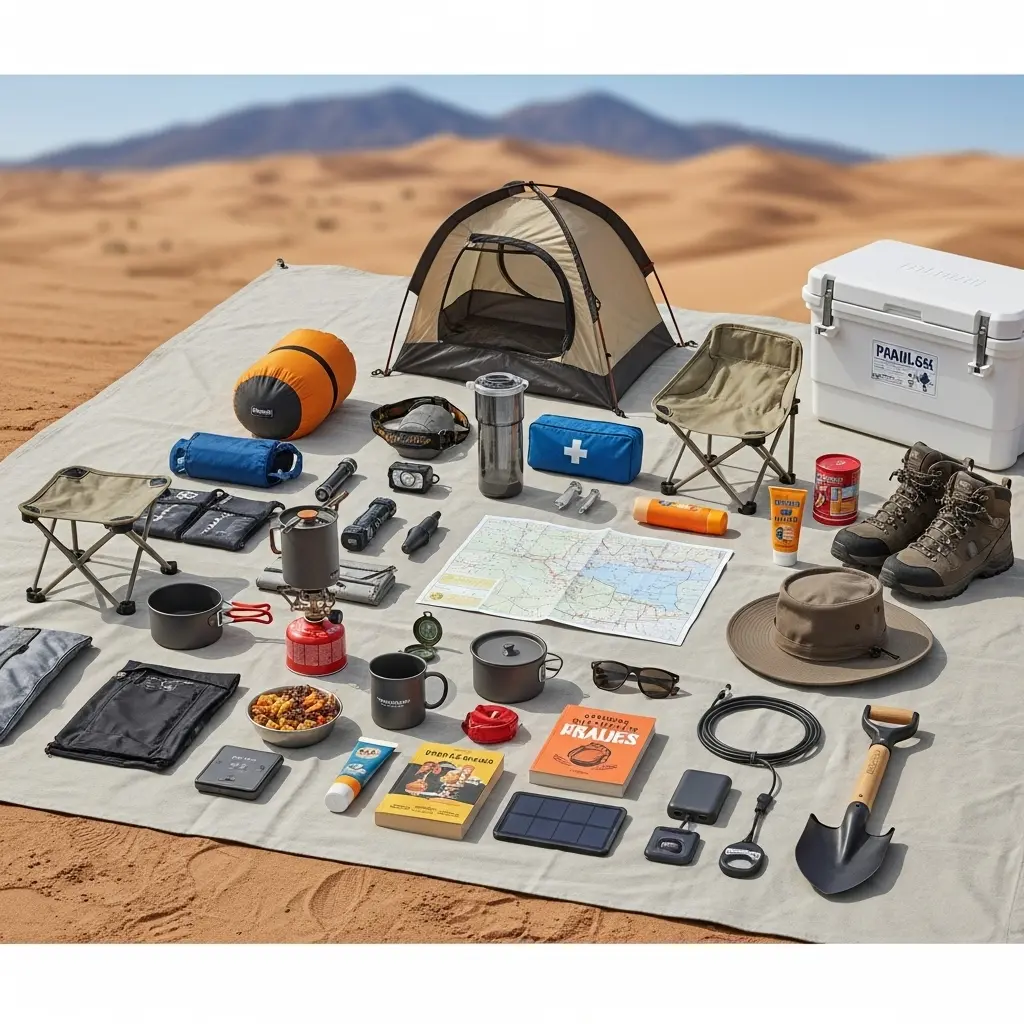
Your Essential 15-Point Desert Camping Checklist for a Flawless Night
The idea of spending a night in the Arabian desert is pure magic. It’s an escape into a world of profound silence, where the deep indigo sky is blanketed with an impossibly brilliant canopy of stars. It’s a chance to disconnect from the world and reconnect with nature in its most raw and majestic form. However, a successful and memorable night under the stars hinges entirely on one thing: preparation. The desert is as unforgiving as it is beautiful, and being unprepared can quickly turn a dream into a challenge.
This is where a comprehensive desert camping checklist becomes your most essential piece of gear. This guide is designed to be that definitive resource. We will go far beyond a simple list, breaking down each category of gear into 15 essential points, explaining not just what you need, but why you need it and what to look for.
Whether you’re embarking on a self-drive expedition or an organized overnight safari, understanding this desert camping checklist is key to ensuring your experience is safe, comfortable, and truly unforgettable.
The Foundation: Shelter and Sleeping Gear
Your primary defense against the desert elements is your shelter. At night, the desert can become windy and surprisingly cold, making a proper sleeping setup crucial.
1. The Right Kind of Tent
Your tent is your personal oasis. It provides protection from the wind, blowing sand, and any curious nocturnal critters.
- What to Look For: Choose a tent that is well-ventilated to prevent condensation but also sturdy enough to withstand potential winds. A three-season tent is usually sufficient. Crucially, ensure you have “sand stakes” – these are longer and wider than standard tent pegs and are designed to hold firm in soft sand.
- Why It’s Essential: A good tent is the difference between a restful night’s sleep and a night spent shivering with sand in your hair. It provides a vital psychological and physical barrier against the vast wilderness.
2. A Temperature-Appropriate Sleeping System
This is one of the most critical parts of your desert camping checklist, as many people underestimate how cold the desert gets after sunset.
- The Sleeping Bag: The temperature can plummet after dark. A sleeping bag with a comfort rating of around 0° to 5°C (32° to 40°F) is a safe bet for the winter months. In summer, a lighter bag or even just a liner will suffice.
- The Sleeping Pad: A sleeping pad or air mattress does two things: it provides cushioning from the hard ground and, more importantly, it insulates you from the cold sand, which can leech warmth from your body.
- A Pillow: Comfort is key to a good night’s sleep. A small travel pillow or an inflatable one takes up minimal space but adds a huge amount of comfort.
Essential Clothing: Dressing for the Desert’s Extremes
The desert has a climate of extremes. You need to pack for both hot, sunny days and cold, crisp nights. The keyword is “layers.”
3. A Smart Layering System
Your clothing choice is a vital safety and comfort consideration on any desert camping checklist.
- Daywear: During the day, wear lightweight, loose-fitting, and light-colored clothing. Long sleeves and long pants are highly recommended as they protect your skin from the intense sun.
- Nightwear: As soon as the sun sets, the temperature will drop rapidly. You will need a warm fleece jacket or a down jacket, a beanie or warm hat (you lose a lot of heat through your head), and warm socks. Having a thermal base layer to sleep in is also a fantastic idea.
4. The Right Footwear
- For Walking: Sturdy, closed-toe shoes like hiking boots or trainers are essential for protecting your feet from the hot sand, sharp rocks, and desert critters.
- For the Camp: A pair of sandals or flip-flops is great for relaxing around the campsite in the evening.
5. Head and Face Protection
The sun and wind are relentless.
- A Wide-Brimmed Hat: This is crucial for protecting your face, neck, and ears from the sun during the day.
- Sunglasses: Protect your eyes from the intense glare.
- A Scarf or Buff: Incredibly versatile, a scarf can provide extra sun protection for your neck, be used as a dust mask if the wind picks up, and add a little warmth in the evening.
Camp Kitchen and Hydration: Fueling Your Adventure
Proper hydration and nutrition are non-negotiable for safety in the desert.
6. Water, Water, and More Water
This is the most important item on your desert camping checklist. Dehydration is the biggest risk in the desert.
- How Much to Bring: The absolute minimum is 5-6 liters (about 1.5 gallons) of drinking water per person, per day. It is always better to have a surplus.
- Pro Tip: In addition to drinking water, bring extra water for cooking and basic washing. Keep your water supply in multiple, durable containers.
7. Food and High-Energy Snacks
- Easy Meals: Plan for meals that are easy to cook and don’t require refrigeration, like pasta, rice dishes, or canned goods.
- Snacks: Pack high-energy snacks like nuts, dried fruit, and granola bars to keep your energy levels up.
8. Cooking Equipment
If you are cooking your own meals, you’ll need a basic setup.
- A portable camp stove and enough fuel.
- A lighter or waterproof matches.
- A pot, basic utensils, and a reusable cup and plate.
- A small container of biodegradable soap and a sponge for cleanup.
Safety and Navigation: Your Lifeline in the Dunes
When you venture into the desert, you are responsible for your own safety. These items are critical.
9. A Well-Stocked First-Aid Kit
Don’t just bring a standard kit; customize it for the desert. Your desert camping checklist must include a robust first-aid kit containing:
- Blister treatment, antiseptic wipes, bandages, and medical tape.
- Pain relievers, allergy medication, and any personal medications.
- Tweezers for removing thorns or splinters.
- Rehydration salts.
10. Reliable Navigation Tools
A smartphone’s GPS is a great tool, but it should never be your only one.
- Primary Tool: A dedicated handheld GPS device is far more reliable.
- Backup: A physical compass and a map of the area are essential backups in case of electronic failure. Practice using them before your trip.
11. Emergency Communication Device
Cell phone service is unreliable in the deep desert. For any trip that is not an organized tour, a satellite phone or a Personal Locator Beacon (PLB) is a crucial piece of safety equipment.
12. Vehicle Preparation (for Self-Drivers)
If you are driving your own 4×4, a vehicle checklist is mandatory.
- Start with a full tank of fuel.
- Ensure you have a properly inflated spare tire and the tools to change it.
- Essential recovery gear: a shovel, traction mats, and a tire pressure gauge with a deflator.
The Simpler Alternative: The All-Inclusive Overnight Safari
Reading this extensive desert camping checklist might feel daunting. For the vast majority of travelers, the best way to experience a night in the desert is through an organized overnight safari.
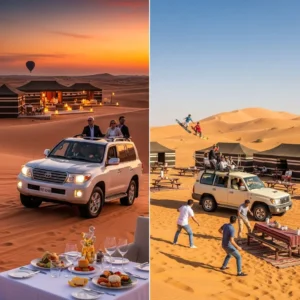
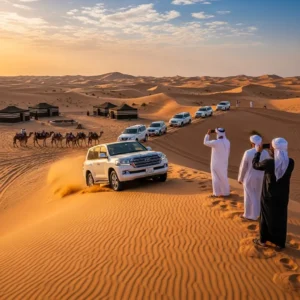
When you book with a professional operator like https://royaldesertadventures.ae/, they take care of absolutely everything for you. The tent and sleeping gear are provided, a delicious BBQ dinner and breakfast are cooked for you, and you are guided by experts, ensuring your complete safety. It offers all the magic of a night in the desert with none of the logistical challenges. You can browse and compare different overnight safari packages on platforms like https://dubaidesertsafarie.com/ or https://hafiztourism.com/ to see what’s on offer.
Comfort, Convenience, and Miscellaneous Items
These items aren’t strictly essential for survival, but they will make your experience much more comfortable and enjoyable.
13. Camp Illumination
The desert is incredibly dark at night, which is great for stargazing but requires you to bring your own light.
- A Headlamp: This is the best option as it keeps your hands free.
- A powerful flashlight and a battery-powered lantern for ambient light around the camp are also great additions.
14. Essential Personal Items
This section of your desert camping checklist is about personal comfort.
- Sunscreen: A high-SPF sunscreen is non-negotiable.
- Lip Balm with SPF: The dry desert air can quickly chap your lips.
- Toiletries: A toothbrush, toothpaste, and wet wipes are often all you need.
15. Camp Comforts
- Camp Chairs: Sitting on a comfortable chair is much nicer than sitting on the sand for hours.
- Portable Power Bank: To keep your phone and camera charged for all the amazing photo opportunities.
Conclusion: Preparation is the Key to Magic
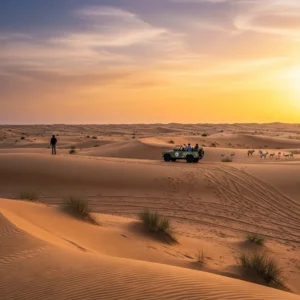
A night in the Dubai desert is a profound experience that connects you to the timeless beauty of the Arabian landscape. The key to unlocking this magic lies in meticulous preparation. By following this detailed desert camping checklist, you ensure that you are ready for the challenges and can fully immerse yourself in the wonder of your surroundings. Whether you choose the path of a self-sufficient adventurer or the comfortable convenience of an organized tour, being prepared is what allows you to relax, look up at the stars, and create memories that will last a lifetime.
Frequently Asked Questions (FAQs)
1. How cold does the Dubai desert actually get at night? It gets surprisingly cold. Due to the lack of humidity and cloud cover, the desert loses heat very quickly after sunset. In the winter (December-February), nighttime temperatures can easily drop to 5-10°C (40-50°F), and can feel even colder with wind chill. This is why warm layers and a good sleeping bag are essential items on your desert camping checklist.
2. What is the single biggest mistake first-time desert campers make? The most common and dangerous mistake is underestimating the amount of water needed. Many first-timers fail to bring enough water for drinking, cooking, and cleaning, which can quickly lead to dehydration. The second mistake is not bringing warm enough clothing for the night.
3. Are open campfires allowed in the Dubai desert? It depends on the specific location and current regulations. In some protected areas like the Dubai Desert Conservation Reserve, open fires are strictly prohibited. In other areas, they may be allowed, but you must use a fire pit or pan to avoid scorching the sand and must use firewood brought with you, not the sparse local vegetation. Always check the latest regulations before you go.
4. How do you go to the bathroom when camping in the desert? If you are on an organized overnight safari, the campsite will have proper, modern toilet facilities. If you are “wild camping,” you must follow “Leave No Trace” principles. This involves digging a small “cathole” at least 200 feet (about 70 steps) away from your campsite and any water sources, and burying your waste afterward. All toilet paper must be packed out with you in a sealed bag.
5. Is it safe to sleep in a tent with the desert wildlife? The wildlife in the Dubai desert (gazelles, oryx, lizards, small insects) poses no real threat to humans. Snakes and scorpions are very shy and generally avoid areas with human activity. To be safe, always keep your tent zipped up, especially at night, and shake out your shoes in the morning before putting them on.
6. Do I need a 4×4 to go desert camping? Yes, absolutely. You should never attempt to drive into the deep desert with a 2-wheel drive vehicle. You will get stuck. A proper 4×4 with the ability to deflate your tires is the minimum requirement for a self-drive desert camping trip.
7. What is the most important item on the desert camping checklist besides water? A reliable navigation system (a dedicated GPS and a backup map/compass). It is incredibly easy to get disoriented in the seemingly uniform landscape of the dunes. Getting lost is a serious risk, so reliable navigation is a lifeline.
8. Can I just use my phone’s GPS? You should not rely solely on your phone. Phone batteries can die, devices can overheat and shut down in the sun, and cellular service (which many map apps rely on) is non-existent in many desert areas. It can be a useful tool, but it is not a substitute for a dedicated GPS unit.
9. What kind of food is best to pack? Pack food that is non-perishable, easy to prepare, and high in energy. Good options include pasta, rice, canned stews or curries, granola bars, nuts, dried fruits, and beef jerky. Avoid food that requires significant refrigeration or a lot of water to cook.
10. How do I keep sand out of my tent? It’s a constant battle, but you can minimize it. Establish a “no shoes in the tent” rule. Leave your sandy shoes and outer layers in the tent’s vestibule (if it has one). Try to position your tent’s door away from the prevailing wind direction.
11. What is an overnight safari and what does it include? An overnight safari, like those offered by https://royaldesertadventures.ae/, is an all-inclusive desert camping experience. It includes hotel pickup/drop-off, dune bashing, all the evening camp activities and entertainment, a BBQ dinner, permanent tented accommodation with sleeping gear, and breakfast in the morning. It’s the safest and easiest way to experience a night in the desert.
12. Should I bring my own firewood? Yes. You should never use the native desert shrubs and trees for firewood. The desert ecosystem is fragile, and this vegetation is a vital part of it. If you plan to have a campfire (where permitted), you must bring your own firewood and a fire pan.
13. What is the best way to store food? Store all your food in sealed, hard-sided containers. This will protect it from insects and any curious desert animals. It will also prevent accidental spills in your vehicle.
14. Do I need a special permit to camp in the Dubai desert? For general camping in many open desert areas, a specific permit is not typically required. However, if you plan to enter a protected area like the Dubai Desert Conservation Reserve (DDCR), you must do so with a licensed tour operator who has the necessary permissions.
15. What is the most important piece of clothing to have? A warm fleece or down jacket. The dramatic temperature drop at night is what catches most people by surprise. Having a quality warm layer is essential for being able to comfortably sit outside and enjoy the stargazing.
16. How do I protect my camera gear from sand? Keep your camera in a sealed camera bag when not in use. Avoid changing lenses out in the open, especially if it’s windy; do it in the car or tent instead. A clear UV filter on your lens can provide a protective layer. Use a small brush and air blower to clean any sand off your equipment.
17. What kind of first-aid training should I have? For a remote self-drive trip, it’s highly advisable that at least one person in your group has basic first-aid and CPR training. Knowing how to deal with common issues like dehydration, heat exhaustion, sprains, and cuts is a critical safety skill.
18. What do I do with my trash? You must follow the “pack it in, pack it out” principle. Absolutely everything you bring into the desert, including all food scraps and toilet paper, must be collected in trash bags and taken back out with you to be disposed of properly in the city. Leave no trace.
19. Is it better to camp alone or with a group? For safety reasons, it is always recommended to travel and camp with at least one other vehicle. This is the convoy system that professional safari companies use. If one vehicle has an issue or gets stuck, the other is there to provide assistance.
20. What is the most rewarding part of desert camping? For most people, it’s the profound sense of peace and the celestial display. Once the camp is set and the sun has set, the silence of the desert is absolute. The lack of light pollution means the sky reveals an incredible number of stars, constellations, and even the Milky Way, which is a truly humbling and unforgettable sight.