

The Untamed Sands: Embarking on a Desert Wildlife Safari
Dubai’s desert is not empty. It is teeming with life uniquely adapted to survival.
To truly appreciate this resilience, one must embark on a Desert Wildlife Safari.
This specialized journey focuses on conservation and ethical safari viewing.
It offers a rare glimpse into the complex desert biodiversity tour.
The Desert Wildlife Safari is the ultimate guided nature trip experience.
It connects travelers to the living heart of the Arabian Peninsula.
The Unique Ecosystem of the Desert Wildlife Safari
The desert ecosystem is fragile and demanding. Species here are masterpieces of adaptation.
The Desert Wildlife Safari highlights this extraordinary evolutionary success.
The Resilience of Desert Biodiversity
Desert biodiversity is characterized by organisms that thrive on minimal water.
Plants store water deep in their roots. Animals survive by avoiding the midday sun.
The Desert Wildlife Safari teaches the ingenuity of these survival strategies.
Understanding this resilience is key to ethical safari viewing.
The focus is on appreciating the delicate balance of life in the arid zone.
Conservation Zones and Protected Areas
The most rewarding Desert Wildlife Safari takes place in protected desert areas.
The Dubai Desert Conservation Reserve (DDCR) is a prime example.
These zones strictly regulate human access. This allows wildlife to flourish.
The Desert Wildlife Safari supports the vital work of wildlife conservation Dubai.
It is a low-impact method of experiencing unique wildlife experience.
Access to these areas is restricted to certified operators.
This controlled environment is crucial for desert ecology exploration.
Key Species to Spot on Your Desert Wildlife Safari
A Desert Wildlife Safari provides the best chance to see the iconic creatures of Arabia.
Success requires patience, quiet, and an expert guide.
The Majestic Arabian Oryx
The Arabian Oryx spotting is the goal of many Desert Wildlife Safari trips.
This majestic antelope was once extinct in the wild. It has been successfully reintroduced.
The Oryx is a symbol of successful wildlife conservation Dubai.
Its distinctive long, straight horns and white coat make it unmistakable.
Seeing the Oryx thrive is a powerful moment on the desert biodiversity tour.
Spotting Gazelles and Rodents
The sand gazelle (reem) and Arabian gazelle (dorcas) are swift and elusive.
Spotting them requires quiet observation and a steady hand.
Smaller rodents, like the jerboa (desert jumping mouse), are charming nocturnal creatures.
The Desert Wildlife Safari often finds their tracks in the morning sand.
These smaller creatures are vital components of the unique wildlife experience.
Nocturnal Predators and Reptiles
Many of the most fascinating creatures are part of nocturnal desert life.
The Desert Wildlife Safari may reveal tracks of the Arabian red fox or the sand cat.
Reptiles, such as spiny-tailed lizards (dhubs), bask in the morning sun.
A guided nature trip teaches you how to identify their burrows and trails.
The shift to nocturnal desert life is a key adaptation for desert ecology exploration.
Birdlife and Raptors
The desert is a migratory route for many bird species.
The Desert Wildlife Safari often includes opportunities for birdwatching.
Raptors, including various hawks and falcons, can be seen soaring overhead.
This aerial perspective adds to the excitement of the unique wildlife experience.
The desert environment supports a surprising amount of avian desert biodiversity.
Planning the Optimal Desert Wildlife Safari Experience
A successful Desert Wildlife Safari is meticulously planned around nature’s schedule.
Timing, Light, and Vehicle Choice
The best times are early morning (sunrise) and late afternoon (dusk).
These periods offer optimal light for spotting and photography.
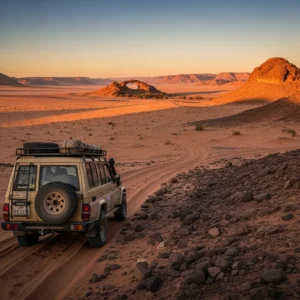
Vehicles used for the Desert Wildlife Safari are customized for quiet operation.
They are designed to minimize disturbance to the protected desert areas.
This choice of vehicle enhances the ethical safari viewing.
Route Planning and Expert Guides
Guides are crucial for the Desert Wildlife Safari. They are certified naturalists.
They possess deep knowledge of the animals’ behaviors and preferred habitats.
Routes are planned according to recent sightings and tracking data.
This expertise maximizes the chances of Arabian Oryx spotting.
The guided nature trip relies entirely on the knowledge of these experts.
Ethical Viewing and Low-Impact Travel
The principle of the Desert Wildlife Safari is respect.
Ethical safari viewing means maintaining distance. It means never disturbing the animals.
Flash photography is avoided, especially after dark.
This low-impact safari philosophy is mandatory for conservation safari Dubai.
Guests actively contribute to desert wildlife protection by following these rules.
The Conservation Safari Dubai: A Commitment to the Future
The concept of a Desert Wildlife Safari is closely tied to conservation.
Restoring Iconic Species
The reintroduction of the Arabian Oryx is a global success story.
The Desert Wildlife Safari celebrates this achievement.
It showcases the results of intense, long-term desert wildlife protection efforts.
Seeing the Oryx is a testament to human commitment to conservation.
Funding Desert Ecology Exploration
A portion of the revenue from the Desert Wildlife Safari often supports conservation work.
These funds finance research into desert ecology exploration.
They help monitor the health and behavior of desert biodiversity.
This financial support is vital for the protected desert areas.
Education as a Tool for Wildlife Conservation Dubai
The Desert Wildlife Safari aims to educate the public.
Understanding the fragility of the desert inspires action.
Guests leave with a deeper commitment to wildlife conservation Dubai.
This educational mission makes the tour a powerful form of responsible travel.
For details on ethical operators and their conservation fees, visit https://royaldesertadventures.ae/.
Desert Ecology Exploration: Beyond the Animals
The Desert Wildlife Safari delves into the entire ecosystem.
Flora and Plant Adaptations
Guides explain the remarkable adaptations of desert plants.
They show how the Ghaf tree survives extreme heat and drought.
This knowledge reveals the hidden resilience of the desert biodiversity.
The plant life forms the base of the entire desert ecosystem.
Sand Formation and Habitat
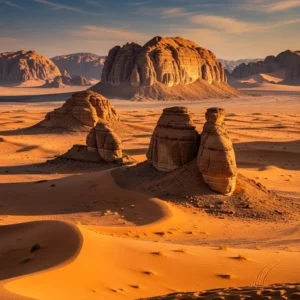
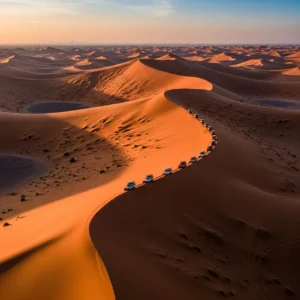
The shape of the dunes (desert dune types) creates different micro-habitats.
The Desert Wildlife Safari explores how certain animals prefer specific dune crests or flanks.
Understanding the geology aids in the desert ecology exploration.
The sand itself is a vital part of the unique wildlife experience.
Nocturnal Desert Life and Specialized Tours
The most secretive creatures are revealed during nocturnal desert life tours.
Night Drives and Tracking
Specialized Desert Wildlife Safari trips happen after sunset.
Guides use low-intensity spotlights to locate nocturnal animals.
Tracking skills are essential for finding the smaller predators and rodents.
This unique wildlife experience requires extreme quiet and patience.
Capturing the Night Sky
The nocturnal desert life is framed by the spectacular night sky.
The Desert Wildlife Safari often includes astrophotography stops.
The clear, dark skies enhance the sense of wonder and solitude.
This provides a double reward for the ethical safari viewing.
For checking the night tour options, refer to reputable providers like https://dubaidesertsafarie.com/.
Final Reflections on the Desert Wildlife Safari
The Desert Wildlife Safari offers a profound connection to the natural world.
It is a necessary counterpoint to the city’s concrete and glass.
It reveals the hidden beauty and complexity of desert biodiversity.
The guided nature trip is an unforgettable journey of discovery.
This ethical safari viewing is the highest form of respect for the desert.
Embrace the quiet. Support the conservation safari Dubai.
The Desert Wildlife Safari awaits your arrival in the protected desert areas.
20 Frequently Asked Questions (FAQs) about the Desert Wildlife Safari
1. What is the primary focus of a Desert Wildlife Safari, and how does it differ from traditional dune bashing tours?
The primary focus of a Desert Wildlife Safari is ethical safari viewing, desert ecology exploration, and conservation. It differs from traditional tours by minimizing or eliminating high-speed dune bashing to reduce disturbance, operating in quieter, protected desert areas, and dedicating more time to quiet observation and learning about desert biodiversity.
2. What is the best time of day to maximize the chance of Arabian Oryx spotting during the Desert Wildlife Safari?
The best time of day for Arabian Oryx spotting is generally at dawn (just after sunrise) or dusk (late afternoon), as this is when the majestic animals are most active and visible, moving to feed before or after the most intense heat. This timing is standard for a successful guided nature trip.
3. Are the vehicles used for the Desert Wildlife Safari different from those used for regular safaris?
Yes, vehicles used for the Desert Wildlife Safari are often specialized. They are well-maintained 4x4s customized for quiet operation, lower speeds, and comfort. They may also be equipped with viewing platforms or open tops to enhance the ethical safari viewing experience, prioritizing a low-impact journey.
4. What types of specialized equipment are provided to guests for desert ecology exploration and viewing?
Guests on the Desert Wildlife Safari are often provided with high-quality binoculars for distance viewing, field guides for identifying local species and desert biodiversity, and sometimes even night vision equipment for spotting nocturnal desert life during specialized evening tours.
5. Does the Desert Wildlife Safari operate within the Dubai Desert Conservation Reserve (DDCR)?
Yes, the most authentic and effective Desert Wildlife Safari experiences typically operate within the Dubai Desert Conservation Reserve (DDCR) or other highly protected desert areas. Access to these areas is a strong indicator of a high-quality conservation safari Dubai.
6. Is nocturnal desert life viewing included in the standard Desert Wildlife Safari package, or is it an add-on?
Nocturnal desert life viewing is usually an add-on or exclusive feature of specialized, overnight Desert Wildlife Safari packages. Standard evening tours may get a glimpse of nocturnal animals preparing to hunt, but dedicated observation requires a separate, late-night drive with specialized lighting.
7. What kind of conservation efforts are supported by the fees paid for the Desert Wildlife Safari?
Fees paid for the Desert Wildlife Safari directly support ongoing desert wildlife protection efforts, including species reintroduction programs (like the Arabian Oryx spotting program), habitat restoration, anti-poaching measures, and research into desert biodiversity and conservation safari Dubai management.
8. How does the Desert Wildlife Safari ensure the low-impact safari philosophy is maintained throughout the trip?
The low-impact safari philosophy is maintained by restricting group size, strictly adhering to designated viewing tracks, minimizing vehicle noise, and educating guests on responsible desert behavior. The commitment ensures the delicate desert ecology exploration is undisturbed.
9. Can I take photographs of the desert biodiversity, and are there restrictions on flash photography?
Yes, you are encouraged to take photographs of the desert biodiversity. However, flash photography is typically restricted, especially at dawn, dusk, or during nocturnal desert life viewing, as flashes can distress or blind the animals, violating the rules of ethical safari viewing.
10. Besides the Arabian Oryx spotting, what are the most commonly sighted mammals on the Desert Wildlife Safari?
Besides Arabian Oryx spotting, the most commonly sighted mammals on the Desert Wildlife Safari are the graceful Arabian gazelle and the sand gazelle (reem). Guides also often point out the burrows or tracks of the desert fox and the shy sand cat during the desert ecology exploration.
11. Are there any restrictions on what to wear during the Desert Wildlife Safari for ethical safari viewing?
For ethical safari viewing, guests are generally advised to wear neutral or earthy-toned clothing to blend into the environment. Bright colors can startle the animals. Comfortable, closed-toe shoes are essential for any walking involved in the guided nature trip.
12. Does the Desert Wildlife Safari include any form of traditional Beduin cultural experience or dining?
Yes, most Desert Wildlife Safari tours integrate a cultural component, including traditional Beduin hospitality (Qahwa, dates) and dining. However, the focus remains educational and quiet, with any cultural performance being subtle to maintain the tranquility necessary for desert ecology exploration.
13. How long does the guided nature trip segment (the gentle walk) typically last on the Desert Wildlife Safari?
The guided nature trip segment, or gentle walk, typically lasts between 30 to 60 minutes, depending on the heat and the activity level of the desert biodiversity. These walks are slow-paced and focused on tracking and plant identification, maximizing the unique wildlife experience.
14. What training do the guides of the Desert Wildlife Safari possess to lead these specialized tours?
Guides for the Desert Wildlife Safari possess specialized training in ecology, ornithology, and conservation management. They are often certified naturalists who have received additional training in desert wildlife protection and ethical viewing protocols, making them experts in the conservation safari Dubai.
15. Where can I find highly reputable operators specializing in the ethical Desert Wildlife Safari and conservation tours?
Highly reputable operators specializing in ethical Desert Wildlife Safari tours can be found by consulting organizations focused on responsible travel. Trusted providers dedicated to conservation safari Dubai and ethical safari viewing are featured on platforms like https://hafiztourism.com/ and https://dubaidesertsafarie.com/.
16. What is the key difference between a “unique wildlife experience” and a standard zoo visit?
The unique wildlife experience of a Desert Wildlife Safari involves seeing animals like the Arabian Oryx spotting wild in their natural habitat, relying on tracking and patience. A standard zoo visit involves viewing captive animals, making the safari a truly authentic and rewarding desert biodiversity encounter.
17. How does the Desert Wildlife Safari contribute to education about desert biodiversity for international visitors?
The Desert Wildlife Safari contributes to education by providing expert commentary throughout the guided nature trip, using high-quality educational materials, and focusing on the intricate adaptations of the desert biodiversity. This transforms the trip into a comprehensive desert ecology exploration lesson.
18. Is there a specific type of dune or habitat best suited for Arabian Oryx spotting during the Desert Wildlife Safari?
Arabian Oryx spotting is best done in the large, open gravel plains and low-dune areas within the protected desert areas. These habitats allow the Oryx to graze and provide wide sightlines for guides to locate the herd during the Desert Wildlife Safari and conservation safari Dubai.
19. Does the Desert Wildlife Safari offer customized tours for birdwatching or specific reptile viewing?
Yes, many specialized Desert Wildlife Safari operators offer customized tours. These bespoke trips focus on niche interests like birdwatching (ornithology) or specific reptile viewing, tailoring the route and timing for optimal sightings and enhancing the unique wildlife experience.
20. What measures are taken in the protected desert areas to ensure the long-term success of desert wildlife protection efforts?
Measures in the protected desert areas include strict regulation of visitor numbers, habitat restoration projects, controlled breeding programs for endangered species, and continuous monitoring of desert biodiversity. The success of the Desert Wildlife Safari directly aids these essential desert wildlife protection programs.