
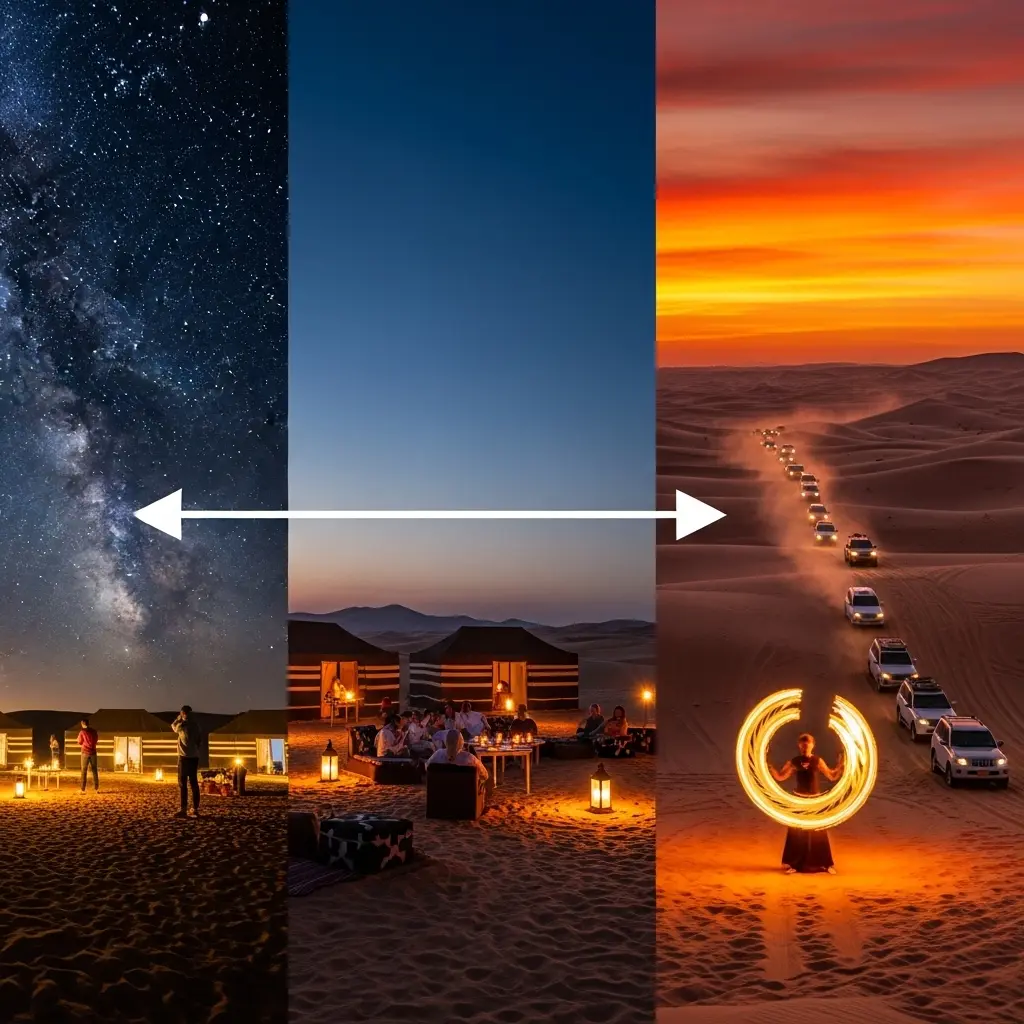
Desert Safari Timeline: Mapping Out Your 7 Hour Arabian Adventure
Desert Safari Timeline planning is the secret to a stress-free vacation in the United Arab Emirates. When you step into a 4×4 vehicle in the heart of the city, you are starting a sequence of events that has been perfected over decades.
Understanding the Desert Safari Timeline allows you to manage your energy and your camera battery. Most travelers arrive in Dubai and book a tour without knowing exactly when things happen, leading to missed photo opportunities.
A well-structured Desert Safari Timeline usually spans about six to seven hours. This duration is designed to capture the transition from the bright afternoon sun to the deep, star-filled desert night.
In this guide, we will break down the Desert Safari Timeline so you know exactly what to expect from pickup to drop-off. We avoid the generic “definitive” labels and focus on the real-time flow of the dunes.
The Pickup Phase: Setting the Scene
The Desert Safari Timeline officially begins between 2:30 PM and 3:30 PM. Your driver will arrive at your hotel or residence in a high-performance SUV, usually a Toyota Land Cruiser or similar.
During this part of the Desert Safari Timeline, you will leave the skyscraper-filled horizon of the city behind. The drive to the desert entrance typically takes about 45 to 60 minutes, depending on traffic.
As the Desert Safari Timeline moves toward the sand, your driver will stop at a meeting point. Here, they deflate the tires to ensure the vehicle can grip the soft sand without getting stuck.
While you wait for the tires to be ready, you can enjoy a quick refreshment. This pause in the Desert Safari Timeline is often a great time to browse local handicraft stalls at the desert gate.
Adrenaline Hour: The Dune Bashing Session
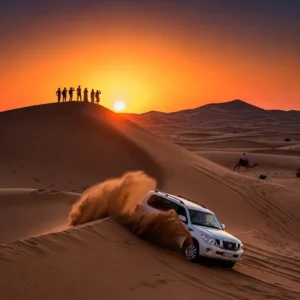
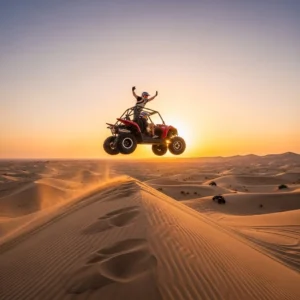
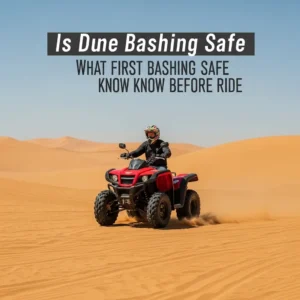
Once the tires are prepped, the Desert Safari Timeline shifts into high gear. This is the part most thrill-seekers wait for: 30 to 45 minutes of intense dune bashing.
Your driver follows a specific Desert Safari Timeline through the high dunes. They use the momentum of the vehicle to slide across the crests, creating a rollercoaster-like experience on the sand.
Safety is paramount during this stage of the Desert Safari Timeline. Drivers are highly trained to navigate the shifting terrain while keeping the passengers secure inside the roll-caged vehicle.
If you prefer a slower Desert Safari Timeline, you can always request a “gentle drive.” This allows you to see the beautiful landscape without the high-speed maneuvers of a standard tour.
Golden Hour: Capturing the Desert Sunset
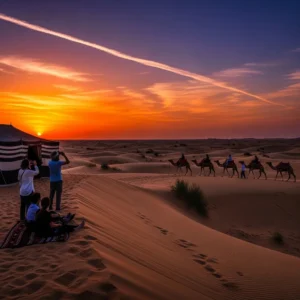
Around 5:30 PM, the Desert Safari Timeline reaches its most beautiful point. The sun begins to dip toward the horizon, turning the orange sand into a deep, glowing red.
Your driver will stop at a high vantage point during this Desert Safari Timeline slot. This is the prime time for photography, as the shadows stretch long across the untouched dunes.
During this 20-minute break in the Desert Safari Timeline, you can stand on the sand and feel the temperature begin to drop. It is a moment of profound silence before heading to the camp.
Many people consider this the highlight of the Desert Safari Timeline. Pro tip: wear polarized sunglasses to see the true colors of the desert as the light changes during the sunset.
Arrival at the Bedouin Style Camp
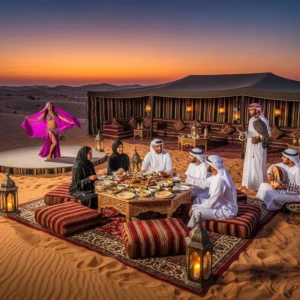
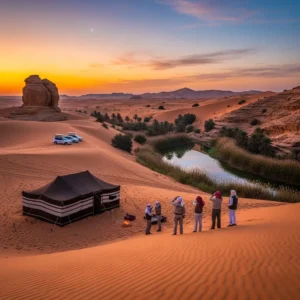
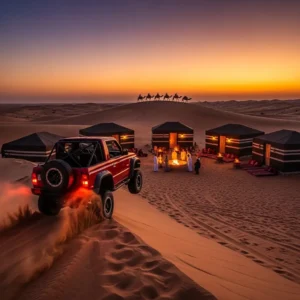
As dusk settles, the Desert Safari Timeline leads you to a traditional-style desert camp. These camps are designed to mimic the ancient dwellings of the nomadic Bedouin tribes.
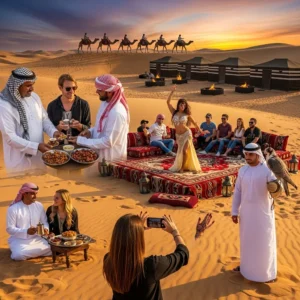
Upon entering this part of the Desert Safari Timeline, you are greeted with traditional Arabic coffee (Gahwa) and fresh dates. This hospitality is a cornerstone of the Emirati culture.
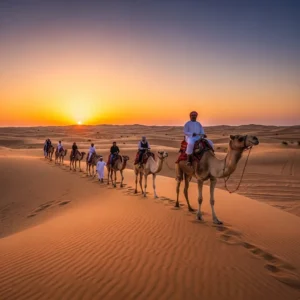
The Desert Safari Timeline at the camp is very flexible. You can choose to go for a short camel ride, try sandboarding down a small slope, or get a henna tattoo on your hands.
For those who want to see more, https://royaldesertadventures.ae/ offers camps with expanded activity zones. Their Desert Safari Timeline includes dedicated areas for falconry displays and traditional crafts.
Comparison of Safari Experience Tiers
| Time Slot | Budget Safari | Premium Safari | Desert Safari Timeline Impact |
| 3:00 PM | Group Bus Pickup | Private 4×4 Pickup | Faster transit to the dunes |
| 4:30 PM | 15 Mins Dune Drive | 45 Mins Dune Drive | More adrenaline and better views |
| 6:30 PM | Plastic Seating | Low Cushioned Tables | Authentic comfort levels |
| 7:30 PM | Standard Buffet | Live BBQ & Seafood | Better food quality and variety |
| 8:30 PM | Shared Drop-off | Direct Private Return | Getting home 40 minutes earlier |
Cultural Immersion: Henna and Shisha
Between 6:30 PM and 7:30 PM, the Desert Safari Timeline slows down. This is the “relaxation hour” where you can immerse yourself in local desert customs and traditions.
You will find a henna artist within the camp as part of the Desert Safari Timeline. They use natural plant-based dye to create intricate patterns that last for several days on the skin.
For adults, the Desert Safari Timeline often includes a Shisha (water pipe) area. You can sit on the carpets, look at the stars, and enjoy flavored tobacco in the cool night air.
Check out https://saharadesertsafaridubai.com/ for a look at their traditional lounge setups. Their Desert Safari Timeline is famous for having some of the most comfortable relaxation zones in Dubai.
Feast in the Forest of Sand: Dinner Service
The most anticipated part of the evening Desert Safari Timeline is the dinner. Usually starting at 7:45 PM, a massive buffet is opened featuring both local and international dishes.
Your Desert Safari Timeline dinner will include grilled meats like Shish Tawook and Lamb Kofta. There are also plenty of vegetarian options, including Hummus, Fattoush, and Biryani rice.
As the Desert Safari Timeline continues, you can enjoy unlimited soft drinks and water. In 2026, many camps have upgraded their menus to include gluten-free and vegan-specific sections.
Agencies like https://htdesertsafari.com/ take pride in their culinary standards. They ensure the Desert Safari Timeline includes a meal that rivals many five-star restaurants in the city.
Center Stage: The Live Entertainment
While you eat, the Desert Safari Timeline brings out the performers. The stage in the center of the camp becomes the focal point for traditional music and dance.
The first act in the Desert Safari Timeline is often the Tanoura dance. A male performer spins in a colorful, weighted skirt, representing a spiritual journey and the rotation of the earth.
Next in the Desert Safari Timeline is usually the Fire Show. Performers use torches and flaming props to create a high-energy spectacle against the dark desert sky.
Finally, the Desert Safari Timeline often concludes with a Belly Dance performance. This classical art form is a beautiful display of rhythm and grace that captivates every guest in the camp.
The Final Stretch: Stargazing and Return
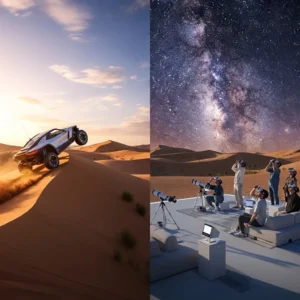
By 9:00 PM, the lights in the camp are briefly dimmed. This part of the Desert Safari Timeline is for stargazing, as the desert sky is much clearer than the light-polluted city sky.
After the quiet moment, the Desert Safari Timeline begins to wind down. Guests gather their belongings and find their drivers for the return journey back to civilization.
The drive back in the Desert Safari Timeline is usually much quieter. Most passengers take this time to review their photos or simply rest after a high-energy evening in the dunes.
According to https://dubaidesertsafarie.com/, most guests are back at their hotels by 10:00 PM. This completes the Desert Safari Timeline, leaving you with a lifetime of memories in just seven hours.
Essential Gear for the Night
Preparation is key to enjoying the Desert Safari Timeline. Even though it is hot during the day, the desert can get surprisingly chilly once the sun disappears.
Always bring a light jacket for the latter half of the Desert Safari Timeline. Also, wear sandals or shoes that are easy to shake sand out of, as you will definitely get some in your footwear.
Don’t forget a backup battery for your phone. The cold air and the constant photo-taking during the Desert Safari Timeline will drain your battery faster than you might expect.
Managing Motion Sickness in the Dunes
If you are prone to motion sickness, the Desert Safari Timeline can be a challenge. The 4×4 vehicles move in ways that can upset a sensitive stomach during the dune bashing.
To stay comfortable, don’t eat a heavy meal right before the Desert Safari Timeline starts. It is better to have a light snack and wait for the camp buffet later in the evening.
Sit in the front seat if possible. This allows you to see the horizon, which helps your brain process the motion during the Desert Safari Timeline and prevents nausea.
Drivers at https://royaldesertadventures.ae/ are trained to watch for signs of discomfort. If you need a break during the Desert Safari Timeline, just let them know and they will stop the car.
The Ethics of Desert Tourism in 2026
Modern Desert Safari Timeline standards focus heavily on sustainability. This includes using eco-friendly lighting and ensuring that no trash is left behind in the protected dunes.
When choosing a provider, look for those who respect the Desert Safari Timeline of the local wildlife. The Arabian Oryx and gazelles are most active at dawn and dusk.
Supporting ethical operators means your Desert Safari Timeline isn’t just fun—it’s also responsible. It helps preserve the delicate desert ecosystem for future generations of travelers.
Many of the top-tier links like https://saharadesertsafaridubai.com/ follow strict environmental protocols. They prove that a luxury Desert Safari Timeline can still be green and sustainable.
Why Timing Varies by Season
The Desert Safari Timeline isn’t set in stone. In the winter months (November to March), the sun sets much earlier, meaning the activities start sooner.
In the summer, the Desert Safari Timeline might be pushed back to avoid the peak heat. The dunes retain heat, so starting later ensures the sand is cool enough to walk on.
Always check with your tour operator about the specific Desert Safari Timeline for your date. They will provide the most accurate pickup times based on the current weather.
Regardless of the month, https://htdesertsafari.com/ adjusts their schedule to ensure guests get the maximum enjoyment. Their Desert Safari Timeline management is one of the best in the industry.
Group Dynamics and Social Fun
A Desert Safari Timeline is a great way to meet people from all over the world. Most 4×4 vehicles seat six people, meaning you will likely share your ride with other travelers.
This social aspect of the Desert Safari Timeline makes the evening more enjoyable. You will share laughs during the dune bashing and stories over the dinner table at the camp.
If you prefer a private Desert Safari Timeline, most companies offer an upgrade. This gives you the whole car to yourself, which is perfect for couples or families who want privacy.
For the best group or private deals, check https://dubaidesertsafarie.com/. They offer flexible Desert Safari Timeline options that cater to every type of traveler and group size.
Safety Protocols You Should Know
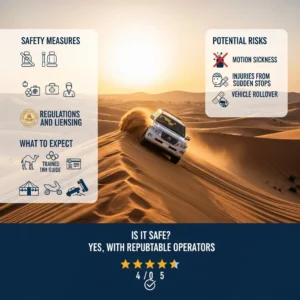
Every vehicle in the Desert Safari Timeline must be equipped with a roll cage. This steel structure protects the passengers in the unlikely event that the car tips over.
Drivers must also carry a first aid kit and a fire extinguisher. These are mandatory requirements for any professional Desert Safari Timeline operator in the city of Dubai.
Before the dune bashing starts, your driver will give a safety briefing. Following these rules is the most important part of the Desert Safari Timeline to ensure no one gets injured.
Reputable companies like https://royaldesertadventures.ae/ never compromise on safety. Their Desert Safari Timeline is built on a foundation of rigorous training and regular vehicle maintenance.
Sandboarding: A Desert Sport
During the Desert Safari Timeline, you will have the chance to try sandboarding. It is very similar to snowboarding but on the soft, warm slopes of the dunes.
It takes a few tries to get your balance, but it is one of the most fun parts of the Desert Safari Timeline. Most boards have simple foot straps so you can ride them in sneakers.
Pro tip: don’t wax the bottom of the board yourself. The Desert Safari Timeline handlers will take care of the equipment to ensure you get the best slide possible.
If you want to see some action shots, visit https://saharadesertsafaridubai.com/. Their Desert Safari Timeline includes access to some of the highest and smoothest dunes for boarding.
Photography Tips for Every Slot
-
3:30 PM: Use a high shutter speed to capture the sand spray from the vehicle tires.
-
5:30 PM: Position the sun behind your subjects for a beautiful “halo” effect in photos.
-
7:30 PM: Use a “Night Mode” or a tripod for the fire show to capture the light trails.
-
9:00 PM: Turn off your flash when taking photos of the stars to avoid white-out.
Following this Desert Safari Timeline for photography ensures you come home with a professional-looking album. The desert light is very different from city light, so experiment with your settings.
The guides at https://htdesertsafari.com/ are often happy to help you take photos. They know the best spots in the Desert Safari Timeline to get that perfect “Instagram” shot without the crowds.
Cultural Etiquette in the Camp
While the Desert Safari Timeline is a tourist activity, it takes place in a country with deep traditions. It is important to dress modestly and be respectful of the performers.
Ask for permission before taking photos of local people during the Desert Safari Timeline. Most are happy to pose, but it is polite to check first, especially in the more traditional areas.
Avoid wasting food at the buffet. The Desert Safari Timeline provides plenty, but in the desert, resources are traditionally treated with great respect and care.
By being a respectful guest, you ensure the Desert Safari Timeline remains a positive experience for everyone. Companies like https://dubaidesertsafarie.com/ promote responsible and respectful tourism.
Conclusion: A Night to Remember
The Desert Safari Timeline is more than just a list of activities. It is a carefully choreographed dance between modern adventure and ancient tradition that defines the Dubai experience.
By understanding the Desert Safari Timeline, you can appreciate the effort that goes into every hour of your trip. From the first turn of the tire to the last spark of the fire show, it is a journey.
In 2026, the desert remains the most popular destination for anyone visiting the UAE. Don’t miss your chance to be part of the Desert Safari Timeline and see the magic for yourself.
Ready to start your journey? Check out the latest packages and begin your own Desert Safari Timeline adventure today. The golden sands are waiting to tell you their story.
Frequently Asked Questions
1. What happens if the Desert Safari Timeline is delayed by traffic? Dubai traffic can be unpredictable, but experienced drivers account for this in the Desert Safari Timeline. If there is a delay, they might shorten the stop at the tire-deflation point to ensure you don’t miss the sunset. The most important parts of the Desert Safari Timeline, like the dinner and the shows, are rarely affected by road traffic.
2. Can I skip the dune bashing part of the Desert Safari Timeline? Yes, you can. If you want a more relaxed Desert Safari Timeline, many operators offer a “direct to camp” option. You will be taken in a separate vehicle that avoids the steep dunes and goes straight to the Bedouin camp. This is a popular choice for pregnant women, elderly guests, or those who simply want a quiet Desert Safari Timeline.
3. Is the food in the Desert Safari Timeline safe for people with allergies? Most camps are very careful with their Desert Safari Timeline catering. The buffet is usually labeled, but it is always best to inform your booking agent about your allergies in advance. They can ensure the chef on-site during the Desert Safari Timeline knows to guide you toward the safe dishes or even prepare a separate plate for you.
4. What is the best age for a child to enjoy the Desert Safari Timeline? Children of all ages can join, but those over 5 years old tend to get the most out of the Desert Safari Timeline. They are old enough to enjoy the sandboarding and the shows. For younger children, a private car is recommended so the Desert Safari Timeline can be adjusted to their nap and feeding schedules.
5. How should I dress for the Desert Safari Timeline in the winter? In the winter months, the Desert Safari Timeline can get quite cold at night. Wear layers, such as a t-shirt with a hoodie or a light jacket over it. This allows you to stay cool during the sunny afternoon part of the Desert Safari Timeline and warm during the evening entertainment and dinner.
6. Do I need to bring cash for the Desert Safari Timeline? While your tour is pre-paid, it is good to have some cash during the Desert Safari Timeline. You might want to buy professional photos, souvenirs, or upgrade to a quad bike session. Most camps now accept cards, but in the deep desert, a backup of cash ensures you don’t miss out due to a poor signal during the Desert Safari Timeline.
7. How long is the camel ride in the Desert Safari Timeline? In a standard tour, the camel ride is a short “experience” lasting about 5 to 10 minutes. It is designed to give you a feel for the animal and a great photo. If you want a longer trek, you should look for a specific camel-focused Desert Safari Timeline that offers 45-minute journeys through the dunes.
8. Are there toilets available during the Desert Safari Timeline? Yes, the desert camps used in the Desert Safari Timeline have modern, clean toilet facilities. They are usually located at the back of the camp. While you are out in the dunes for the bashing part of the Desert Safari Timeline, there are no facilities, so it is best to use the restroom at the meeting point before you start.
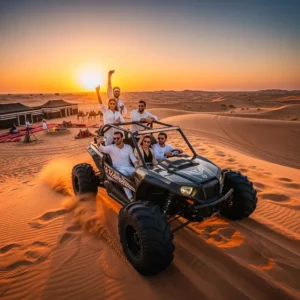
9. Can I drive the 4×4 myself during the Desert Safari Timeline? No, for safety and insurance reasons, only licensed desert drivers can handle the vehicles during the Desert Safari Timeline. If you want to drive yourself, you should book a “self-drive” quad bike or dune buggy session. This can often be added to your Desert Safari Timeline as a 20-minute morning or afternoon activity.
10. What makes the 2026 Desert Safari Timeline different from previous years? In 2026, the Desert Safari Timeline is much more technology-driven. Many camps now offer high-speed Wi-Fi, better lighting for photos, and more diverse food menus. There is also a bigger focus on animal welfare and environmental protection throughout the entire Desert Safari Timeline, making it a more ethical choice for modern travelers.
11. Is water provided throughout the Desert Safari Timeline? Yes, unlimited water and soft drinks are a standard inclusion in any reputable Desert Safari Timeline. You will have access to cold water from the moment you are picked up until you are dropped off. Staying hydrated is essential in the dry desert air, so the Desert Safari Timeline ensures you are never without a drink.
12. Can I book a Desert Safari Timeline on short notice? While you can sometimes book on the same day, it is better to book your Desert Safari Timeline at least 48 hours in advance. This ensures you get a spot with your preferred operator and that the driver can plan the most efficient pickup Desert Safari Timeline for your specific location in the city.
13. What happens if it rains during the Desert Safari Timeline? Rain is rare in Dubai, but if it happens, the Desert Safari Timeline might be altered. If the sand becomes too wet, dune bashing can be dangerous. In such cases, the operator might offer a rescheduled date or a modified Desert Safari Timeline that focuses more on the camp activities and dinner.
14. Are the shows in the Desert Safari Timeline suitable for children? Absolutely. The Tanoura dance, Fire show, and Belly dance are all family-friendly performances. They are high-energy and colorful, making them a favorite part of the Desert Safari Timeline for kids. The music is loud, but the atmosphere is festive and welcoming for all ages.
15. Is there a weight limit for the camel ride in the Desert Safari Timeline? Most camels can carry up to 100-110 kg comfortably. If you are concerned, check with the handler at the camp. They will choose the strongest camel for you during the Desert Safari Timeline to ensure both your safety and the welfare of the animal.
16. How do I find my driver at the end of the Desert Safari Timeline? Your driver will tell you exactly where to meet and at what time the Desert Safari Timeline concludes. Usually, the vehicles are parked in a designated area just outside the camp gates. Most drivers stay in contact with their passengers via WhatsApp to ensure a smooth transition at the end of the Desert Safari Timeline.
17. Can I bring my own alcohol to the Desert Safari Timeline? Generally, no. Most desert camps are licensed premises, and bringing your own alcohol is not allowed. Some Desert Safari Timeline packages include alcoholic beverages, while others have a bar where you can purchase them. Always check the specific rules of your camp before your Desert Safari Timeline begins.
18. Is sandboarding included in the standard Desert Safari Timeline? Yes, sandboarding is almost always a complimentary part of the Desert Safari Timeline. The boards are usually kept near the camp entrance or on a nearby dune. You can use them as much as you like during the free time in your Desert Safari Timeline, though most people find 15 minutes is plenty of exercise!
19. Are there any health restrictions for the Desert Safari Timeline? Due to the bumpy nature of dune bashing, the Desert Safari Timeline is not recommended for pregnant women, people with chronic back or neck problems, or those with serious heart conditions. If you have any concerns, consult your doctor before booking a full Desert Safari Timeline package.
20. Why is the Desert Safari Timeline so popular? It is popular because it offers a complete “Arabian Experience” in a single evening. It combines adventure, culture, food, and nature into a perfectly managed Desert Safari Timeline. It is the most efficient and exciting way to see the “other side” of Dubai away from the glass and steel of the city.